2112: Rush's Sci-Fi Concept Album That Defined a Generation
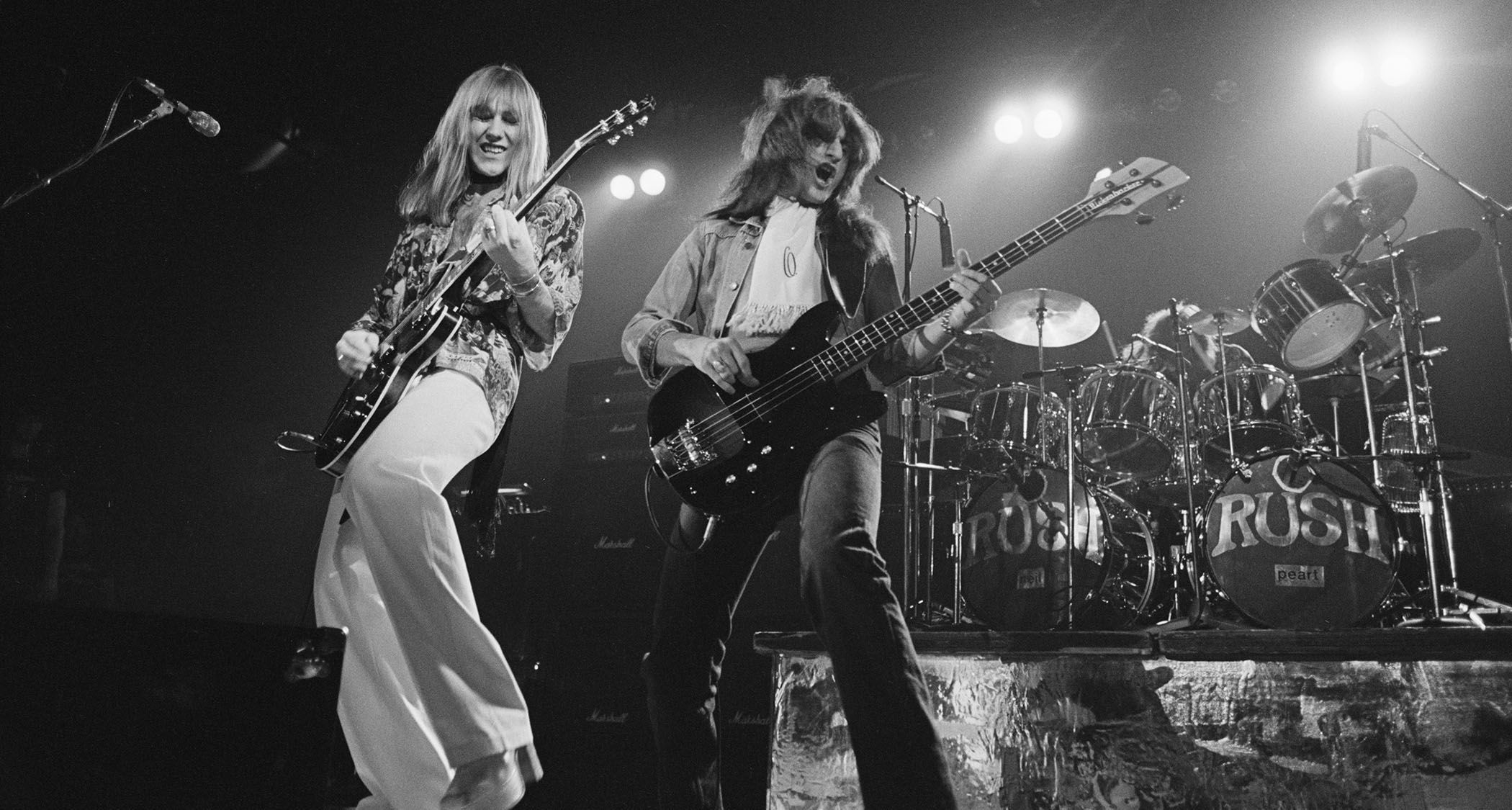
Rush surprised their record company with a sci-fi concept album in 1976, titled "2112," which marked a turning point in their career. The album was a departure from their previous work and showcased their progressive rock influences. The band faced financial struggles and uncertainty before the album's release, but they persevered and created a cohesive and powerful statement with "2112."
Inspired by Ayn Rand's novella "Anthem," the title track of "2112" tells the story of a dystopian future ruled by the Red Star of the Solar Federation. The narrative follows an anonymous hero who discovers a guitar, a device that can create music, challenging the totalitarian rule of the Priests of the Temples of Syrinx. The album's concept and music were well-received by the band, and they were excited about the project.
Despite initial skepticism from the record label, Rush continued with their creative vision for "2112." The album was written and rehearsed on the road, allowing the band to enter the studio well-prepared. The recording process was efficient, with much of the album recorded live in the studio. The band's signature sound, including Alex Lifeson's guitar work and Geddy Lee's bass playing, was complemented by new elements like the Mellotron on the track "Tears."
"2112" features a diverse range of songs on Side B, including the travelogue-inspired "Passage To Bangkok" and the tribute to "The Twilight Zone." The album's impact extended beyond its release, influencing artists like Dream Theater's John Petrucci. The album's storytelling and musical complexity have made it a timeless classic in the progressive rock genre.
For Rush, "2112" represented a pivotal moment in their career, solidifying their creative freedom and setting the stage for future ambitious projects. The album's success allowed the band to explore multi-album storytelling arcs and cemented their status as prog rock legends. "2112" remains a testament to Rush's innovative spirit and enduring legacy in the world of rock music.