Balancing Utility Profits and Consumer Affordability: The Impact of AI on Electricity Bills
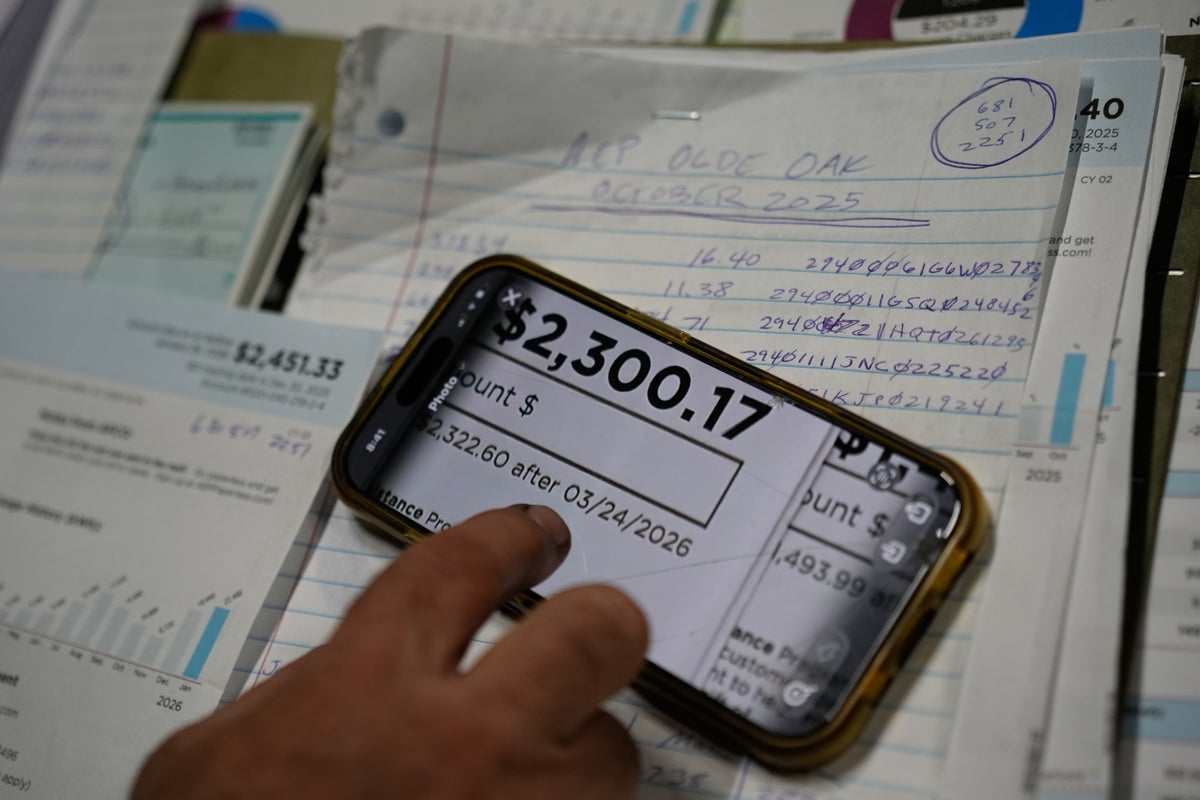
The rise of artificial intelligence is causing a stir in several states as residents face escalating electricity bills due to growing utility profits. Officials and lawmakers in states like Arizona, Indiana, Maryland, New Jersey, New York, and Pennsylvania are taking action to block proposed rate increases by utilities and are advocating for a complete overhaul of the financing model for major system upgrades. This issue has become a focal point in the lead-up to the midterm elections, with affordability being a key concern for Democrats challenging Republican dominance in Washington.
The energy demands of AI data centers have led to increased electricity prices in certain regions, sparking a construction boom in the energy sector. Consumer advocates are raising concerns about rising utility profits and bills, emphasizing the need for utilities to keep rates low and transition to renewable energy sources. While utilities have traditionally been considered a safe investment due to stable income and predictable demand, their profits have surged amid the data center expansion, prompting scrutiny from regulators and consumer advocates.
Critics argue that the investment returns granted to utilities contribute to rising consumer bills, with some estimating that a portion of customers' bills represents excessive profits for utilities. Calls for utilities to seek lower-cost investor cash and prioritize affordability over corporate profits have gained traction, highlighting the need for a more balanced approach to utility regulation. However, some experts caution that targeting utility investment returns may not address the broader challenges facing the electricity sector, such as modernization, renewable energy integration, and grid reliability.
The focus on affordability has permeated corporate earnings calls, with utility executives emphasizing cost-cutting measures and customer protection from rising electricity supply costs. While utilities defend their investment returns as essential for grid maintenance and reliability, critics argue that the current utility model is outdated and prioritizes corporate profitability over consumer interests. Recent regulatory reviews and challenges to rate increases in states like New Jersey, Pennsylvania, and Indiana underscore the growing push for a more equitable and sustainable energy system.
In response to mounting pressure, utilities like Exelon have committed to justifying their spending and keeping energy bills as low as possible. Pennsylvania Governor Josh Shapiro's efforts to halt a rate increase and address affordability concerns have resonated with consumers and investors alike, signaling a shift towards a more consumer-centric approach to utility regulation. As states grapple with the impact of AI on energy prices and consumer bills, the debate over utility profits and affordability is likely to intensify, shaping the future of the energy sector in the digital age.