Birth in the Courtroom: The Unfortunate Story of Samantha Randazzo
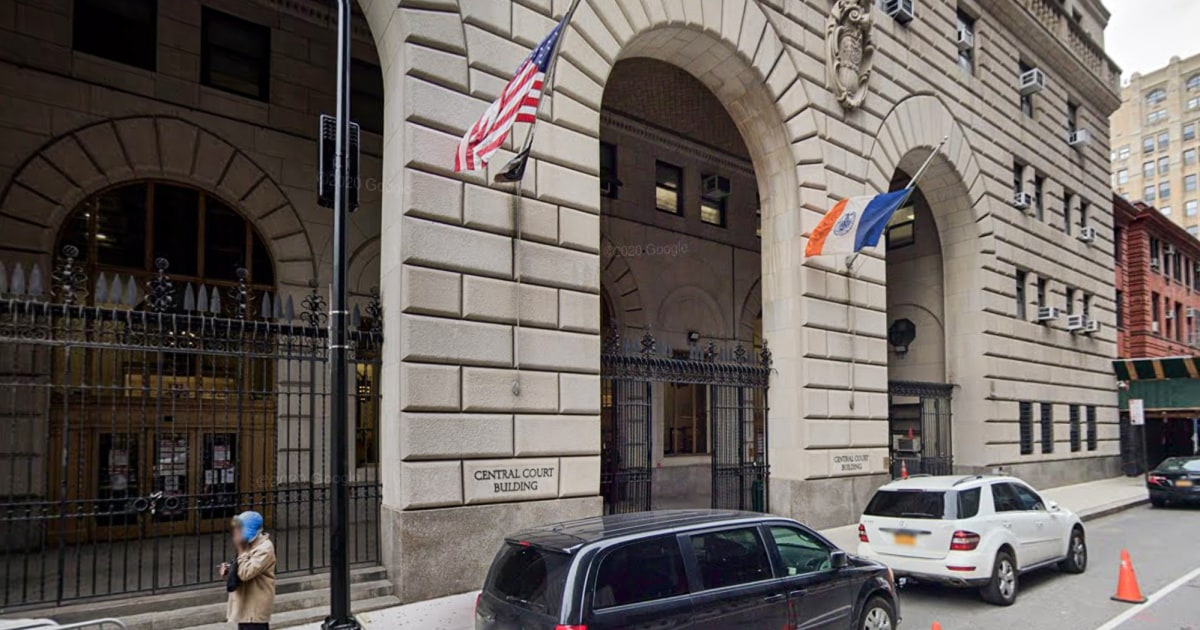
A woman unexpectedly gave birth in a Brooklyn courtroom late at night after going into labor during her arraignment on a drug charge. Samantha Randazzo, 33, delivered her baby boy on a courtroom bench without proper medical care, privacy, or dignity, as witnessed by members of the Legal Aid Society and other public defender organizations. Randazzo's lawyer, Wynton Sharpe, commended the court officers who assisted her when her water broke, describing the situation as both joyful and sad.
The New York Police Department reported that Randazzo was arrested the previous evening after officers observed her with a controlled substance on a rooftop. She was charged with criminal possession of a controlled substance and criminal trespass. Despite being pregnant, Randazzo did not disclose her condition to the officers at the time of her arrest or when she arrived at the station house. It was only in the early hours of Friday that she informed the police about her pregnancy and drug withdrawal symptoms, leading them to take her to a local hospital.
Following her discharge from the hospital, Randazzo unexpectedly went into labor in court just before midnight, approximately four hours after being released. The Legal Aid Society, Brooklyn Defender Services, and other defender organizations criticized the decisions that led to Randazzo's labor and expressed concern over alleged jokes made by staff regarding the incident. They called for an investigation into the matter and a review of protocols for pregnant individuals in custody, denouncing the incident as a moral failure and a reflection of the harshness of the carceral system.
In conclusion, the unexpected birth of Samantha Randazzo's baby in a Brooklyn courtroom has sparked criticism and calls for an investigation into the circumstances surrounding the incident. The lack of proper medical care, privacy, and dignity during the birth has raised concerns about the treatment of pregnant individuals in custody and highlighted the need for improved protocols and preparedness in such situations.