Indianapolis: A Legacy of Automotive Excellence and Innovation
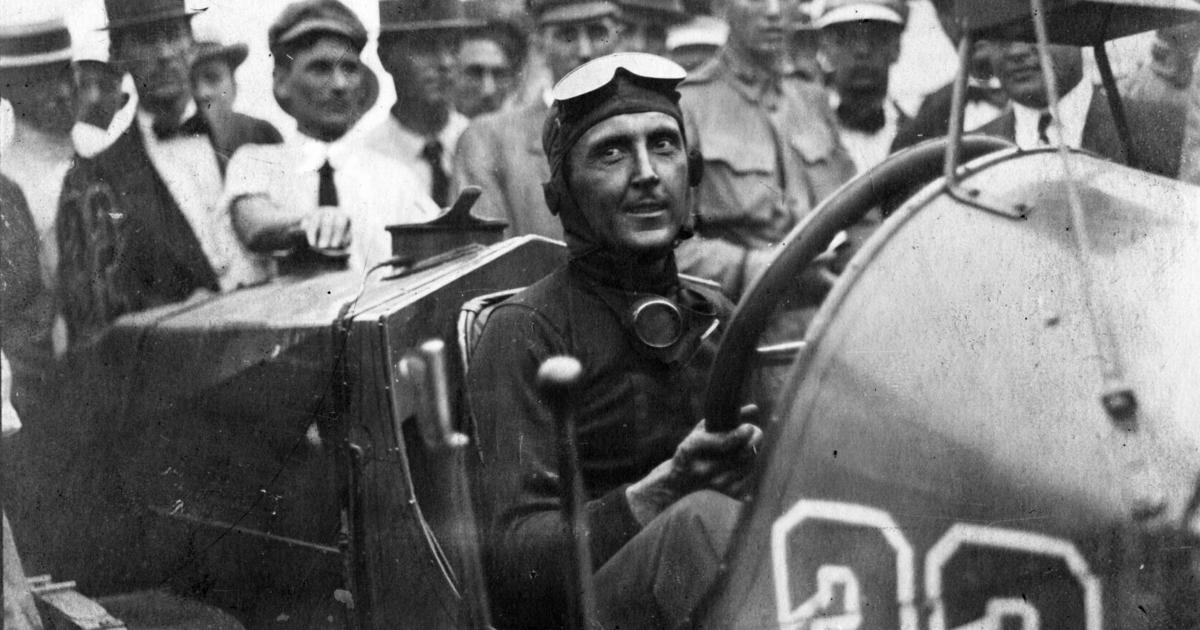
Indianapolis has a rich history of automotive fascination, with a legacy that traces back to the post-World War II era when streetcars faded away. The city has been home to renowned automotive manufacturers like Duesenburg and Stutz. In 1914, Rene Thomas clinched victory at the Indianapolis 500 Mile race with an impressive average speed of 82.474 mph, driving the #16 Delage car alongside his riding mechanic, Robert Laly.
Ray Harroun made history in 1911 by winning the inaugural Indianapolis 500 in his Marmon Wasp, setting the bar with an average speed of 74.602 mph. The Wasp's innovative safety features, including the first rearview mirror, allowed Harroun to drive solo without a mechanic, enhancing both safety and aerodynamics. Team Penske's Josef Newgarden shares insights on the upcoming Indianapolis 500, adding to the excitement surrounding the event.
The 1912 Indianapolis 500 saw Bob Burman's car involved in an accident on lap 157, highlighting the risks and challenges faced by drivers in the early days of racing. Fast forward to March 31, 2025, the Indianapolis Motor Speedway Museum underwent a significant renovation, offering visitors a fresh perspective on the history and evolution of motorsports.
For nearly a century, Popes have been associated with a diverse collection of cars, ranging from luxury vehicles to simple sedans, either using them for travel or gifting them to others. The 1953 Indianapolis 500 featured a star-studded front row lineup, with Jack McGrath, Fred Agabashian, and Bill Vukovich taking center stage, showcasing the competitive spirit and talent that defined the race.
In conclusion, Indianapolis stands as a hub of automotive history and innovation, with the Indianapolis 500 serving as a testament to the city's enduring passion for cars and racing. The legacy of iconic drivers, groundbreaking technologies, and thrilling races continues to shape the automotive landscape, captivating enthusiasts and spectators alike.