Navigating Global Security Challenges: Insights from Former Defense Secretary Robert Gates
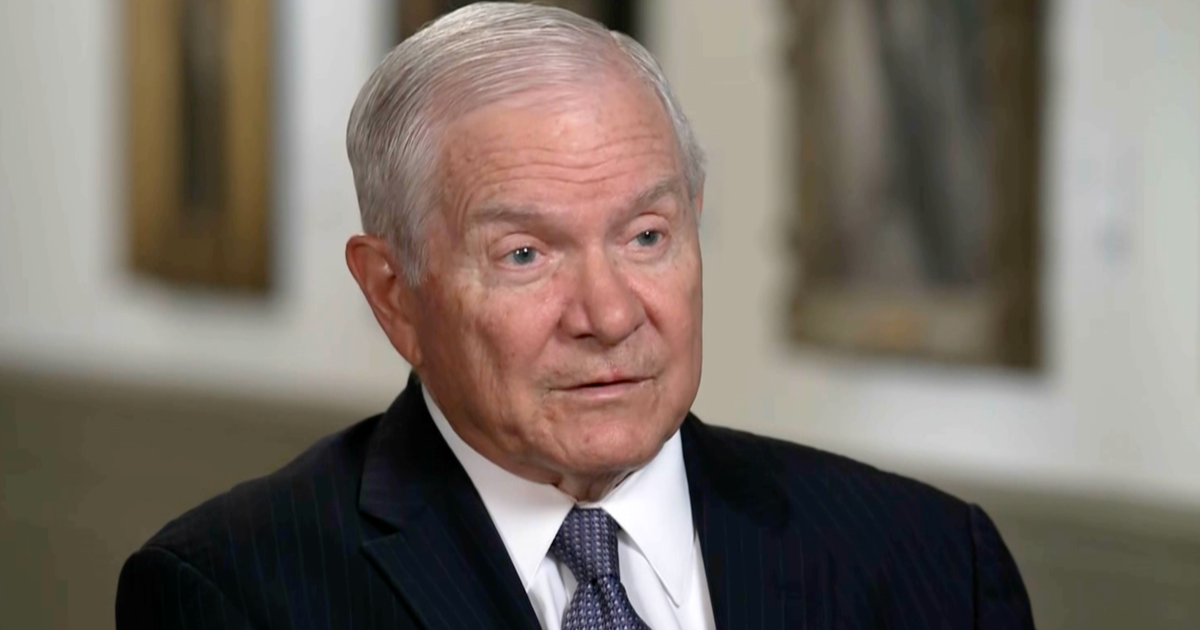
Former Defense Secretary Robert Gates recently shared his insights on the current global security landscape in an interview. He highlighted the challenges posed by nuclear-armed adversaries in Europe and Asia, particularly China and Russia. Gates emphasized the need for the U.S. to address the growing power and influence of these countries, especially in terms of strategic communications, development assistance, and trade.
Regarding the U.S.-China relationship, Gates discussed the dynamics between the two countries, noting that China is a near-peer in terms of military power but still lags behind economically and technologically. He highlighted the importance of maintaining a stable relationship with China, focusing on trade truce and business opportunities while also addressing security concerns.
Gates also touched on the issue of Taiwan, emphasizing the need for the U.S. to support Taiwan's defense capabilities through arms sales. He underscored the importance of providing Taiwan with the necessary weapons to defend against potential threats, particularly from China.
In the context of the Middle East, Gates discussed the challenges posed by Iran's nuclear program and the need for diplomatic negotiations to address the issue. He emphasized the importance of preventing Iran from acquiring nuclear weapons and highlighted the role of negotiations in achieving this goal.
Gates also addressed the internal challenges facing the U.S. military, particularly in terms of supply and readiness. He highlighted the need to expand defense industries and enhance production capabilities to address the growing demand for weapons and munitions.
In conclusion, Gates expressed optimism about the U.S. military's ability to address current security challenges and emphasized the importance of strategic partnerships and diplomatic efforts in maintaining global stability. He underscored the need for continued engagement with allies and adversaries to address shared security concerns and promote peace and stability worldwide.