Reimagining the Finale: Analyzing 'These Are the Voyages...' of Star Trek: Enterprise
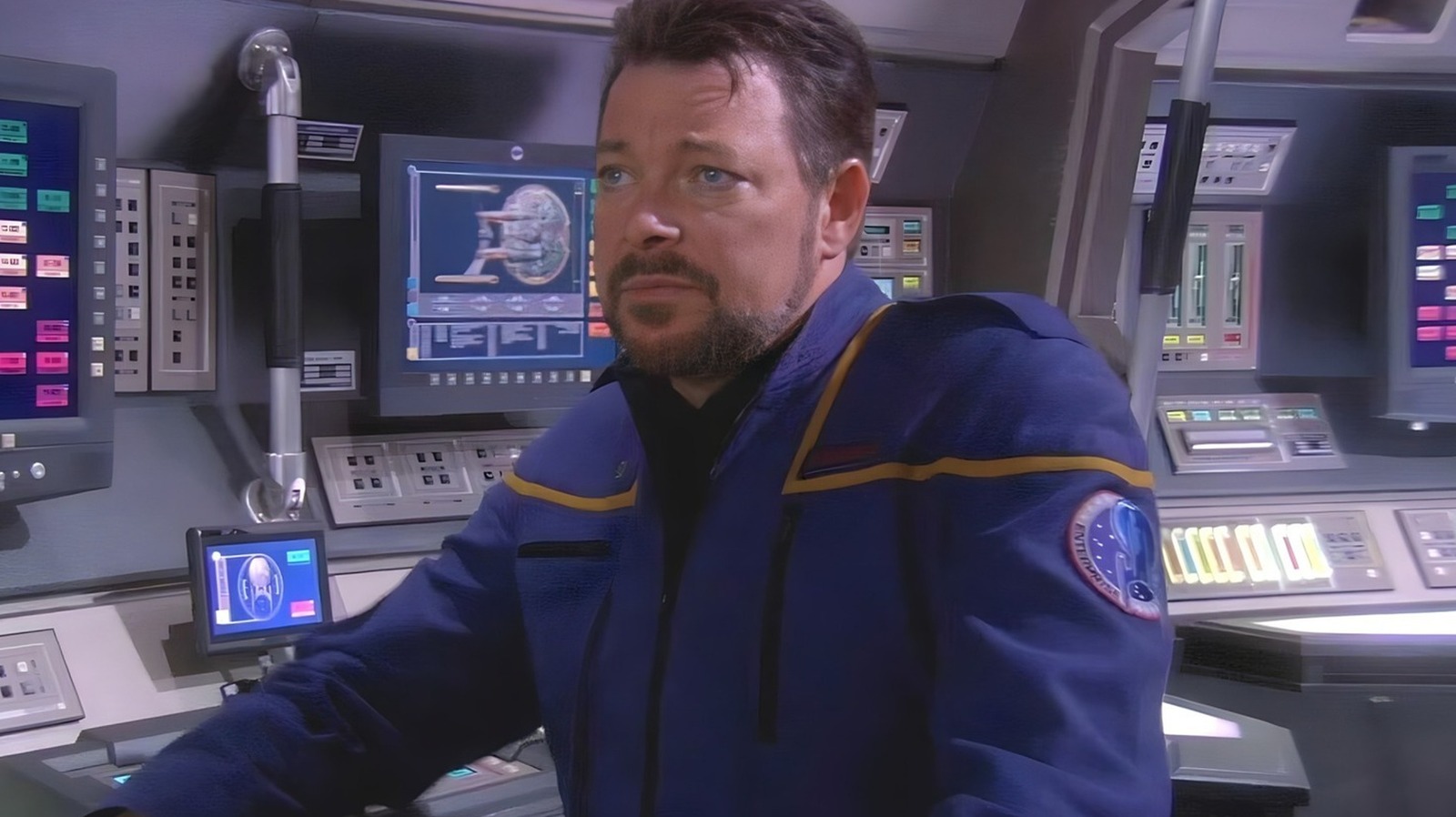
Welcome to our weekly column, "Fanon Fixing Canon," where we delve into notorious plot holes and questionable storyline decisions in popular series. In this edition, we focus on the widely criticized series finale of "Star Trek: Enterprise," titled "These Are the Voyages...," which many consider to be one of the weakest finales in the Star Trek franchise. The episode sidelines the main cast of "Enterprise" in favor of a holodeck simulation featuring characters from "Star Trek: The Next Generation." The episode follows William Riker and Deanna Troi as they explore the final mission of the Enterprise NX-01, with Riker taking center stage while the original cast takes a backseat. The controversial demise of Trip Tucker adds to the disappointment of fans, making it a finale that many wish to forget.
The episode begins with Troi suggesting that Riker run a holoprogram based on the adventures of Captain Archer's USS Enterprise NX-01 to help him deal with past events from "Star Trek: The Next Generation." As Riker immerses himself in the holoprogram, interacting with the holographic crew and reliving the final journey of the NX-01, questions arise about the accuracy of the simulation. Given the technological limitations of the time period depicted in the episode, the details presented in the holoprogram may not be entirely reliable. The portrayal of events, including Trip Tucker's death, raises doubts about the authenticity of the simulation and suggests that artistic liberties may have been taken to enhance the drama.
Riker's engagement with the holoprogram goes beyond mere observation, as he actively participates in conversations and interactions that could not have occurred during the actual mission of the NX-01. His interactions with T'Pol, in particular, provide him with valuable insights that parallel his own struggles from "The Pegasus." These deviations from historical accuracy point to the holoprogram being more of an interpretive recreation rather than a faithful representation of the NX-01's final mission. Riker's role in shaping the narrative within the holodeck environment blurs the line between reality and simulation, turning the episode into a speculative exploration rather than a definitive conclusion to the series.
In conclusion, the series finale of "Star Trek: Enterprise" raises questions about the reliability of historical simulations and the impact of personal interpretation on recorded events. By viewing the episode through the lens of a flawed holodeck recreation, fans can find solace in the idea that the events depicted may not be entirely reflective of the true history of the Enterprise NX-01. "Fanon Fixing Canon" offers a fresh perspective on the controversial finale, inviting viewers to reconsider the episode as a creative reinterpretation rather than a definitive conclusion to the series.