Bridging Cultures and Traditions: Gustavo Dudamel's Musical Journey from Los Angeles to New York
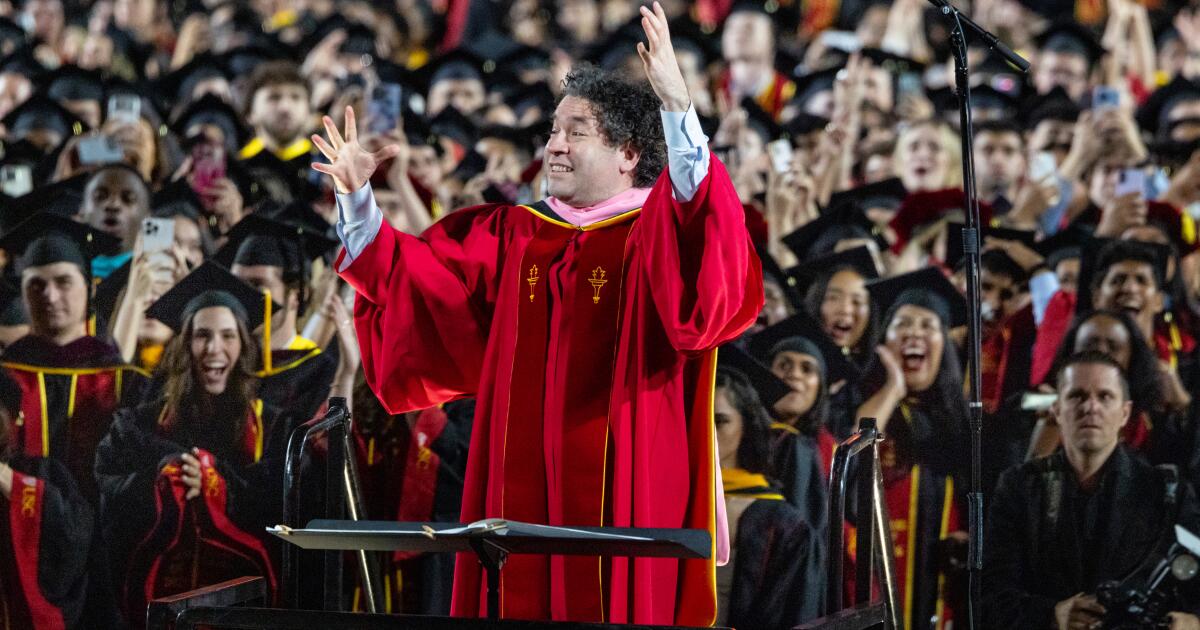
Gustavo Dudamel recently collaborated with the New York Philharmonic and the Spanish Harlem Orchestra for a series of concerts in New York City, showcasing a fusion of salsa and classical music. This event was seen as a significant cultural moment, hinting at Dudamel's future impact as the orchestra's music and artistic director. Dudamel's transformative approach has been evident during his tenure with the Los Angeles Philharmonic, where he has led groundbreaking projects and nurtured a vibrant artistic community. As he prepares to conclude his time with the L.A. Phil, Dudamel remains focused on new adventures and connections, including plans to return to New York for future engagements.
Dudamel's deep connection to both Los Angeles and New York reflects his diverse cultural background and musical influences. His upbringing in Venezuela, surrounded by salsa and mariachi music, has shaped his artistic vision and resonated with audiences in both cities. Dudamel's impact on the L.A. Phil and the broader music community has been profound, with his innovative programming and commitment to music education leaving a lasting legacy. As he embarks on his next chapter, Dudamel remains dedicated to fostering connections and collaboration between different musical traditions and communities.
The upcoming performances of Wagner's "Die Walküre" at the Walt Disney Concert Hall symbolize Dudamel's artistic journey and his enduring ties to Los Angeles. The production, featuring sets designed by Frank Gehry, highlights Dudamel's ability to bridge classical music with contemporary influences and visual art. Dudamel's ambitious plans for future projects, including completing the "Ring" cycle with the L.A. Phil, demonstrate his unwavering commitment to pushing boundaries and exploring new artistic horizons. His vision for the future of classical music involves engaging with diverse audiences and creating meaningful connections through music.
Dudamel's legacy extends beyond his musical achievements to his advocacy for music education and community engagement. Through initiatives like YOLA, he has empowered young musicians and promoted the importance of listening and collaboration in music. Dudamel's message of unity and understanding resonates with audiences worldwide, emphasizing the universal language of music as a tool for connection and empathy. As he transitions to new opportunities in New York, Dudamel remains dedicated to building bridges between different musical traditions and fostering a sense of belonging and creativity in the communities he serves.
In conclusion, Gustavo Dudamel's impact on the classical music world is far-reaching and transformative. His innovative approach to programming, commitment to music education, and passion for cultural exchange have left an indelible mark on the orchestral landscape. As he embarks on new adventures in New York, Dudamel's vision for the future of classical music continues to inspire audiences and musicians alike. His ability to connect with diverse communities and create meaningful artistic experiences underscores his role as a visionary conductor and cultural ambassador.