Supreme Court Cases to Watch: Birthright Citizenship, Transgender Athletes, and Executive Power
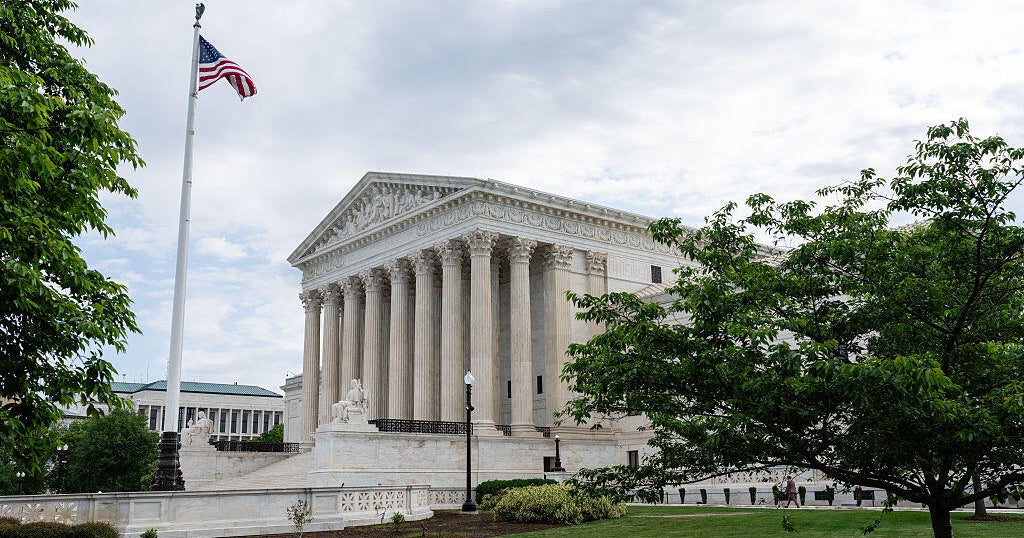
The Supreme Court is gearing up to deliver decisions on several significant cases as the term comes to a close. Among the key cases awaiting rulings are challenges to state laws targeting transgender athletes, President Trump's birthright citizenship executive order, and his attempts to dismiss members of certain independent agencies. The court will also address issues related to mail-in ballots, the removal of temporary legal protections for immigrants, and campaign finance limits.
President Trump's executive order seeking to end birthright citizenship for children born to parents in the U.S. illegally faces scrutiny before the Supreme Court. The legality of the order under the Constitution's Citizenship Clause and the Immigration and Nationality Act is at the center of the case, with potential implications for longstanding citizenship norms.
Legal battles over state laws barring transgender athletes from competing on girls' and women's sports teams in West Virginia and Idaho are also on the docket. The court will consider whether these laws violate the Equal Protection Clause or Title IX, with broader implications for similar bans across the country.
President Trump's efforts to remove members of multi-member boards and commissions without cause, including the Federal Trade Commission, are under review by the Supreme Court. The case raises questions about the balance of executive power and the removal protections for officials in independent agencies.
The court will also address the attempted dismissal of Lisa Cook, a member of the Federal Reserve's Board of Governors, by President Trump. The case hinges on whether the president had sufficient cause to remove Cook and the interpretation of the Federal Reserve Act regarding the removal of Fed governors.
In a separate case, the Supreme Court will decide whether states can count mail-in ballots postmarked after Election Day, a contentious issue with implications for voting procedures in multiple states. The Republican National Committee has challenged these grace periods, arguing they conflict with federal statutes.
The court is also considering the termination of Temporary Protected Status for immigrants from Syria and Haiti, with questions about judicial review of the Homeland Security secretary's decisions. The outcome could impact over a million immigrants affected by the Trump administration's moves to end TPS for several countries.
A campaign finance dispute involving federal limits on political committee spending in coordination with candidates is another case before the Supreme Court. The challenge to these limits raises First Amendment concerns and could have implications for party committees' ability to engage in political speech.
As the Supreme Court prepares to issue rulings on these cases, the decisions will shape legal precedents and have far-reaching consequences for various issues at the intersection of law, politics, and individual rights.