The Evolution of Ratings: From G to PG in Family Films
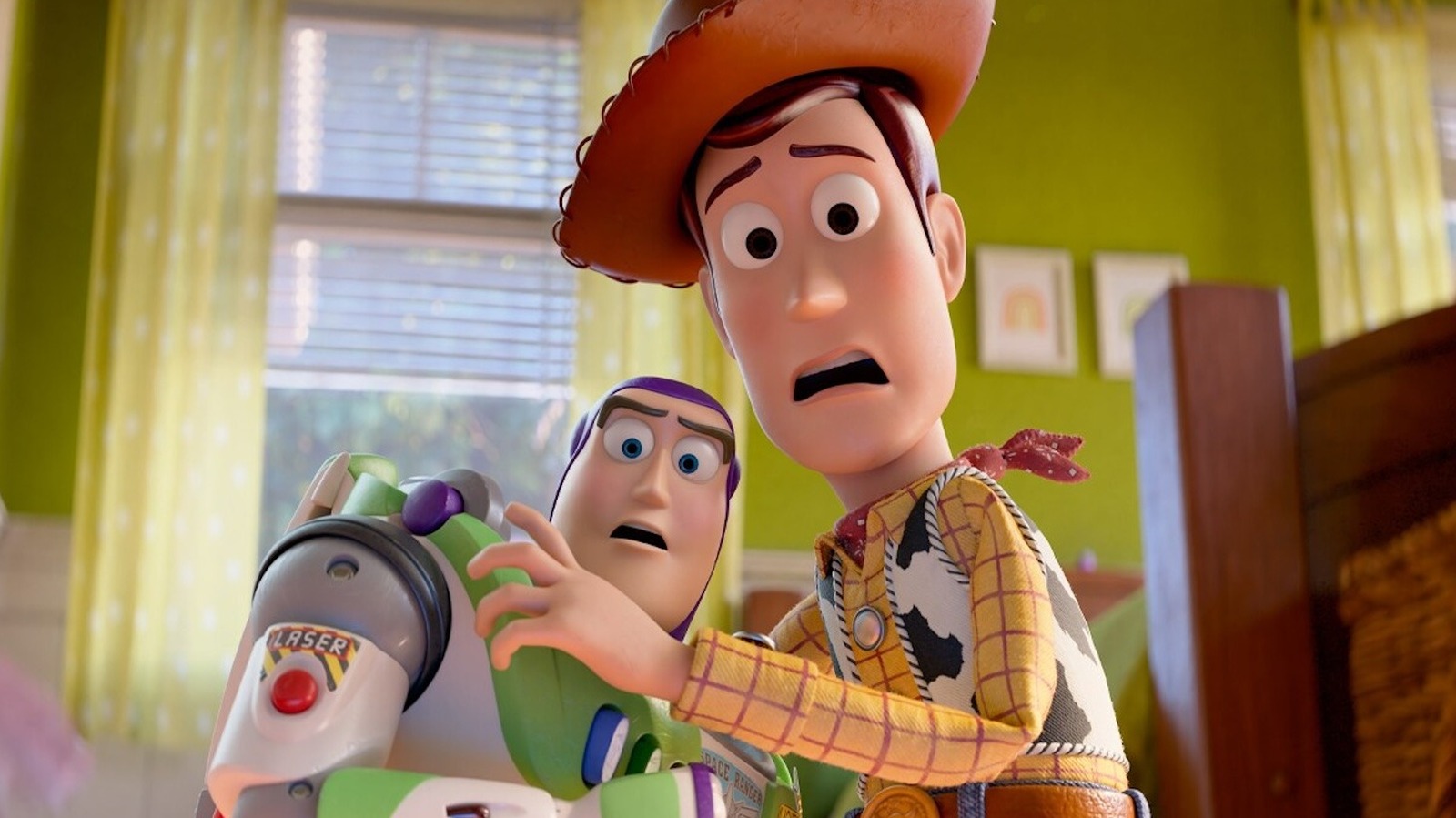
\"Toy Story 5\" is set to hit theaters on June 19 and is the first movie in the franchise to receive a PG rating from the Motion Picture Association. The film has been classified as PG due to \"some thematic elements and rude humor.\" The introduction of a new character, Smarty Pants, a potty-training toy inspired by a roll of toilet paper, may contribute to the \"rude humor\" aspect. The general descriptor of \"some thematic elements\" could potentially encompass various emotional moments that are typical of the \"Toy Story\" series.
The shift from a G to a PG rating for \"Toy Story 5\" reflects a broader trend in family films, where the G rating is becoming less common for feature-length movies. The last major G-rated success in theaters was \"Toy Story 4\" in 2019, with subsequent films predominantly receiving a PG rating. The evolution of the rating system over the years has seen a tightening of criteria, with intense scenes or themes now often leading to a PG classification.
When the MPA rating system was established in 1968, the G rating was initially more lenient, encompassing a wider range of content. Over time, the G rating became associated primarily with children and family-oriented films, despite some of these movies containing mature themes or intense scenes. The PG rating gained popularity, particularly with animated family films like \"Shrek,\" which introduced elements of language and adult humor.
Pixar, known for its family-friendly content, received its first PG rating for \"The Incredibles\" in 2004. Subsequent films from the studio have consistently been rated PG, with \"Toy Story 3\" director Lee Unkrich expressing surprise when his film received a G rating. The shift towards PG ratings for animated family films has become more common, with even relatively mild content now often receiving a PG classification.
Following the success of \"Toy Story 5,\" it appears that the era of G-rated Pixar films may be coming to an end. The evolution of the rating system reflects changing audience expectations and the desire to provide more nuanced storytelling in family-oriented movies. As the landscape of family entertainment continues to evolve, the PG rating has become the new standard for feature-length films that cater to a broad audience.