Preserving the Realm of the Salmon: A New Marine Conservation Reserve in British Columbia
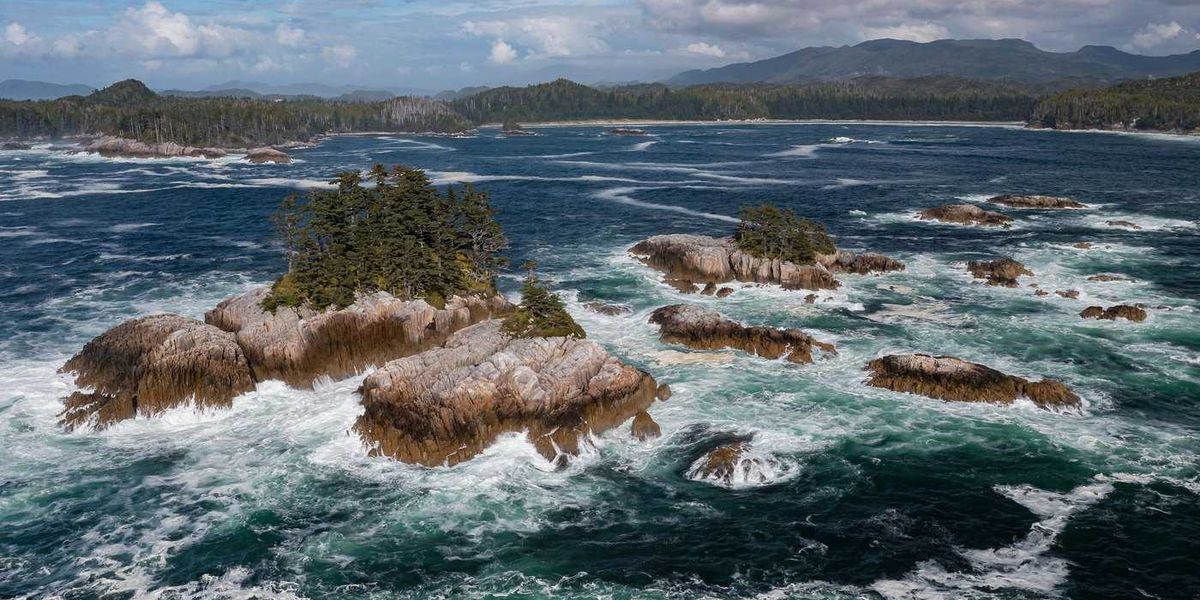
A vast national marine conservation reserve is being established on the central coast of British Columbia, covering an area larger than Prince Edward Island. Known as Mia-yaltwa Ha’lidzogm hoon, the protected area is the result of an agreement between six coastal First Nations and the provincial and federal governments. Spanning approximately 6700 sq. km, the reserve will be managed by Parks Canada in collaboration with Indigenous and federal partners. Situated within the Great Bear Sea, a diverse marine ecosystem, the area is home to glass sponge reefs, salmon, killer whales, and migrating humpback whales.
According to a federal official, all fisheries, except for bottom trawling, will be allowed to continue operating in the area. This conservation area marks the sixth of its kind in Canada and the second in British Columbia, following the Gwaii Haanas National Park Reserve, which covers about 1,500 sq. km of land. While the exact boundaries are still being determined, the marine reserve is expected to stretch from near Gil Island in the north to Calvert Island in the south, reaching inland as far as Bella Coola.
The six Indigenous partners involved in the agreement—the Wuikinuxv, Nuxalk, Kitasoo Xai’xais, Heiltsuk, Gitxaała, and Gitga’at Nations—have designated the area as an Indigenous Protected and Conserved Area, granting them a significant role in overseeing conservation efforts through Indigenous governance. The name of the area, meaning "realm of the salmon, home of the salmon," reflects its cultural and ecological significance. The federal government emphasizes that marine conservation reserves are unique as they are located within areas subject to Indigenous land claims, which could impact their status in the future.
The establishment of the marine conservation reserve will be formalized under the Canada National Marine Conservation Areas Act, a process expected to unfold over several years. The next phase involves creating a collective management board and a zoning plan to regulate activities within the area, with a focus on sustaining fishing and tourism. Parks Canada, the Fisheries Department, and the First Nations partners highlight the positive impact of the protected area on marine ecosystems, biodiversity, cultural values, and local communities, including those dependent on a healthy ocean.
The Fisheries Department will continue to oversee regulations and enforcement in the area, ensuring sustainable practices. Federal Environment Minister Julie Dabrusin underscores the significance of the conservation area in the government's commitment to conserving 30% of Canada's marine and coastal waters by 2030. As the establishment of the marine reserve progresses, it represents a collaborative effort to safeguard marine environments and support the well-being of Indigenous and coastal communities, as well as various marine sectors reliant on a thriving ocean.