Roger Glover: The Unsung Bassist of Deep Purple's 'Machine Head' Era
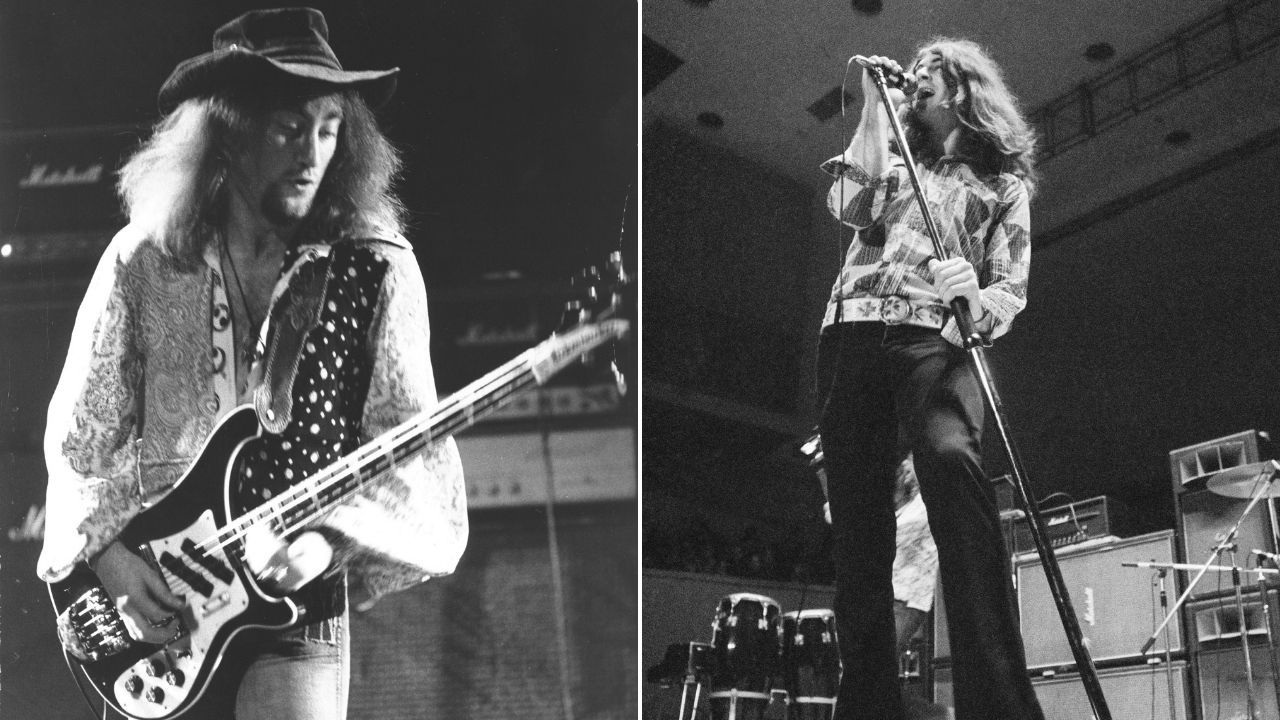
Deep Purple, alongside Led Zeppelin and Black Sabbath, is considered one of the pioneers of hard rock music that later influenced heavy metal. Despite their immense popularity and volume, Deep Purple has not always received the same level of critical acclaim as their counterparts.
Roger Glover, the bassist of Deep Purple, made a significant contribution to the band's sound, particularly on their iconic 1972 album "Machine Head." His distinctive bass tones on the record set the stage for future rock music but have often been overlooked in the grand scheme of rock bass history.
During the recording of "Machine Head," Deep Purple featured their classic lineup known as Mark II, which included Ritchie Blackmore on guitar, Ian Gillan on vocals, Jon Lord on keyboards, and Ian Paice on drums. Glover's bass work on the album, played on a Rickenbacker and P-Bass, showcased his unique style, although he initially felt dissatisfied with his tone.
Born in Wales and raised in London, Glover's musical journey began with piano lessons at a young age before transitioning to guitar and eventually bass. His entry into Deep Purple came after being a part of bands like Episode Six, where he collaborated with Ian Gillan, who later joined Deep Purple as the vocalist.
Glover's decision to join Deep Purple was a pivotal moment in his career, as he initially turned down the offer due to loyalty to his previous band. However, after reconsidering, he accepted the bassist position in Deep Purple, replacing the original bassist Nick Simper.
The transition from Episode Six to Deep Purple was not without its challenges, as Glover had to adapt to playing Simper's bass parts on songs like "Hush." His bass playing on "Machine Head" stood out for its prominence in the mix, a feature that surprised Glover himself upon hearing the recordings.
As a songwriter for Deep Purple, Glover emphasized the band's hard rock identity while incorporating elements of blues, folk, classical, and jazz into their music. The collaborative songwriting process within the band allowed for the evolution of songs that eventually became signature Deep Purple tracks.
Glover cited bassists like Jack Bruce, John Entwistle, and Paul McCartney as key influences on his playing style. While admiring technical virtuosos like Jaco Pastorius and Victor Wooten, Glover encouraged aspiring bassists to study the best in the field and find joy in playing the instrument.
Deep Purple's success, according to Glover, stemmed from their refusal to conform to trends and their commitment to creating music they believed in. Their authenticity and dedication to their craft ultimately led to their enduring success in the rock music scene.