Symbolic Reparation Ceremony for Indigenous Communities Affected by Sodalitium Christianae Vitae in Peru
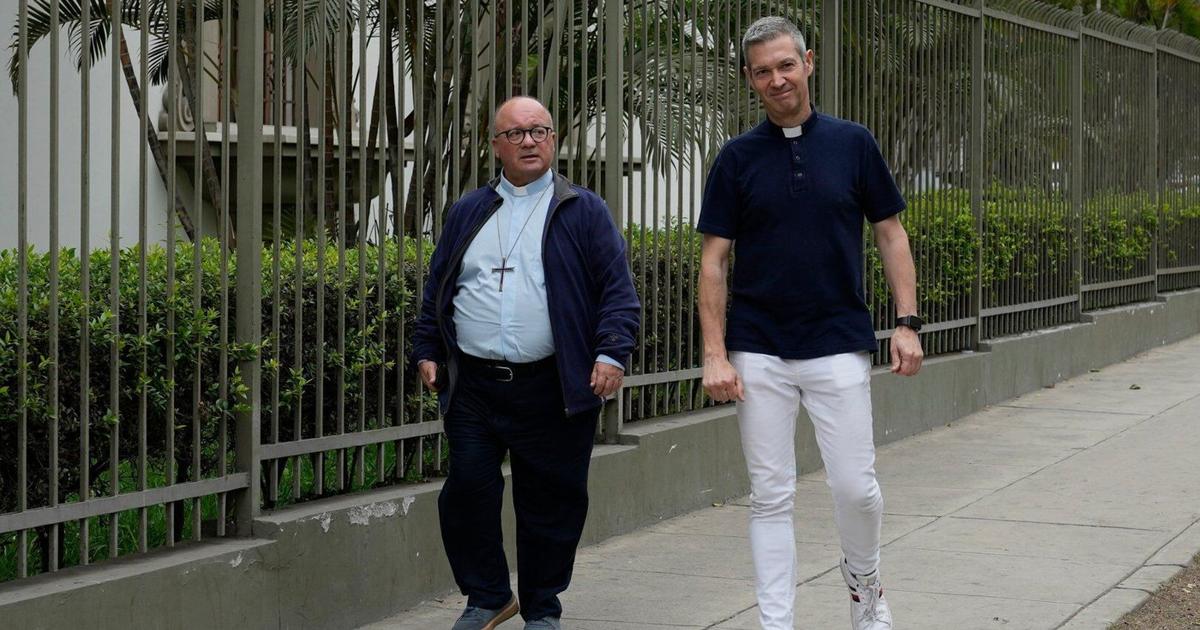
In Peru, the highest ecclesiastical authorities recently conducted a symbolic reparation ceremony for Indigenous people who had their land taken away by a now-dissolved Catholic group. The Sodalitium Christianae Vitae, based in Peru, was dissolved in 2025 by Pope Francis due to various issues, including sexual abuses, financial mismanagement, and spiritual abuses. The ceremony aimed to address the allegations of land dispossession and provide a form of acknowledgment to the affected Indigenous communities.
The Vatican investigation into the Sodalitium Christianae Vitae revealed a history of misconduct and abuse within the organization. The late Pope Francis took decisive action to dissolve the group after years of failed attempts at reform. The investigation uncovered instances of sexual abuse by the group's founder, financial irregularities among its leaders, and spiritual abuses committed by its top members. The dissolution of the Sodalitium Christianae Vitae marked a significant step in addressing the systemic issues within the organization.
The reparation ceremony held by the ecclesiastical authorities in Peru was a symbolic gesture to acknowledge the harm caused to Indigenous communities through land dispossession. The ceremony aimed to provide a form of recognition and validation to those who had been affected by the actions of the Sodalitium Christianae Vitae. By publicly addressing the allegations of land dispossession and holding a reparation ceremony, the ecclesiastical authorities sought to demonstrate a commitment to accountability and justice for the impacted Indigenous people.
In conclusion, the reparation ceremony conducted by the ecclesiastical authorities in Peru for the Indigenous people affected by land dispossession by the Sodalitium Christianae Vitae signifies a step towards acknowledging and addressing the historical injustices committed by the now-dissolved Catholic group. The ceremony served as a form of symbolic reparation and recognition for the harm caused to Indigenous communities, highlighting the importance of accountability and restitution in addressing past wrongs.