Blowin' in the Wind: Bob Dylan's Enduring Legacy and Social Commentary
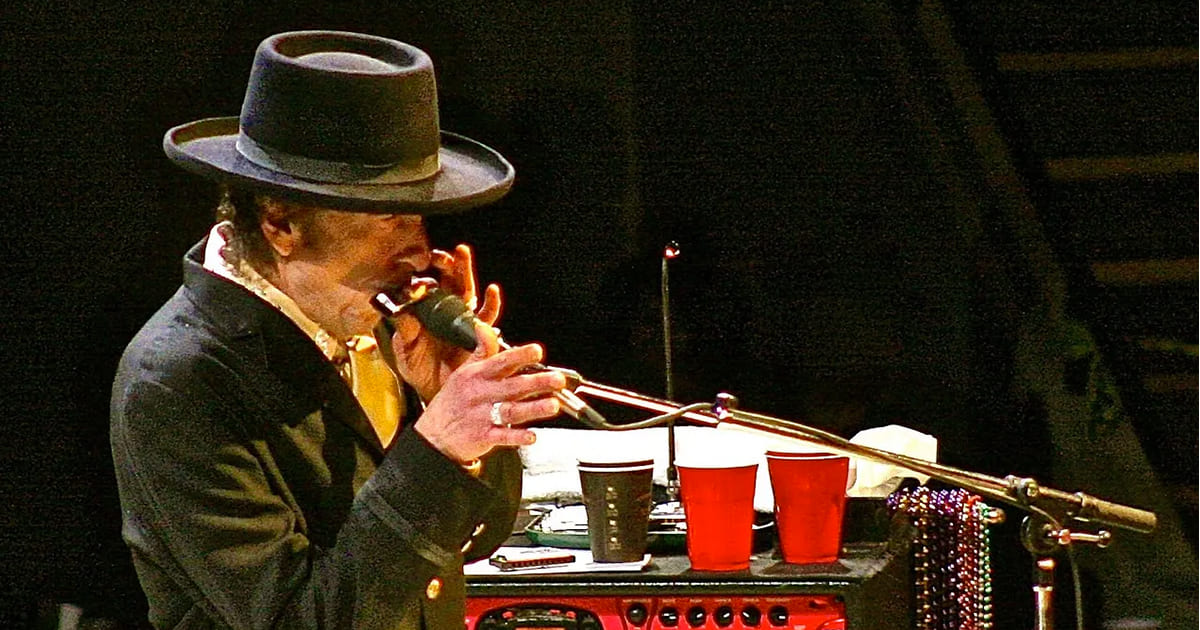
Today marks the 85th birthday of the legendary troubadour Bob Dylan, a figure known for his enigmatic protest poetry. His impact on humanity transcends mere entertainment, as his songs have the power to challenge authority and expose societal injustices while maintaining a haunting beauty. Even for those not of his era, his iconic anthem "Blowin' in the Wind" continues to resonate with timeless questions that linger in the air like liberated birds.
A recent biographical film, "A Complete Unknown," portrayed a young Bob Dylan as a restless and rebellious figure, constantly evading categorization. This depiction serves as a reminder that Dylan's music was more than just entertainment—it was a form of social commentary disguised as folk music. If Dylan were to find himself in present-day Philippines, his songs would likely reflect a disdain for imperial powers, corrupt politicians, and nations that view the Philippines as a mere pawn in geopolitical games.
Dylan's artistry transcends blind nationalism, as his songs critique empires of all kinds. In a contemporary Manila setting, he might advocate for a demilitarized, neutral, and nuclear-free ASEAN, emphasizing the importance of national interests and a staunch anti-war stance. His hypothetical anthem would question the proliferation of military bases and call for true freedom for smaller nations.
Imagining Dylan at a literary gathering in Kamuning Bakery Café, surrounded by poets and intellectuals, evokes a sense of artistic camaraderie and rebellion against societal norms. The convergence of diverse voices and poetic expressions in such a setting would likely inspire Dylan to continue championing the cause of fearless dreamers and passionate dissenters who challenge the status quo.
In a country like the Philippines, where karaoke talent abounds but moral music is scarce, Dylan's satirical yet hopeful lyrics would resonate deeply. Through surreal verses, he might mock the spectacle of corrupt politics and societal inequalities while infusing his songs with an underlying sense of optimism. The legacy of Dylan's music lives on in the voices of Filipino poets, educators, activists, and cultural advocates who strive to combat colonial mentality and uphold human dignity.
As Bob Dylan celebrates his 85th birthday, his enduring message that songs can transcend time and societal upheavals remains as relevant as ever. In a world plagued by greed, propaganda, and fear, poetry serves as a beacon of resistance against the erosion of human dignity. Dylan's legacy reminds us that the power of music lies in its ability to outlast transient political figures and oppressive systems. The answer, much like Dylan's music, continues to blow in the wind.