Bob Dylan's Impact on Eastern Indian Music: A Fusion of Cultures and Creativity
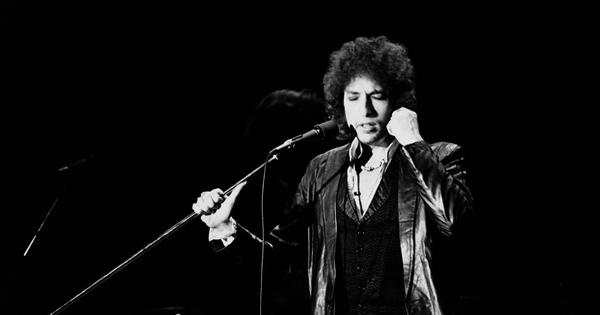
Bob Dylan's groundbreaking decision to go electric at the Newport Folk Festival in 1965 marked a pivotal moment in music history. This move, which shocked his audience and mentors, set the stage for a new era of artistic iconoclasm. As Dylan celebrates his 85th birthday, his influence on musicians in eastern India remains profound. Over the past six decades, Dylan has reshaped Bengali and North Eastern popular music, blurring the lines between song and literature, protest and poetry, and modernity and postmodern freedom.
The connection between the countercultural movements of 1960s America and the cultural traditions of West Bengal was not a coincidence. It was forged through intimate encounters and exchanges between artists from both regions. Allen Ginsberg's visit to Calcutta in 1962 and Albert Grossman's meeting with Bāul folk minstrels in 1967 laid the groundwork for a cross-pollination of roots music that challenged Western commercial pop norms. The collaboration between the Das brothers and Dylan's associates resulted in a fusion of musical styles that transcended geographical boundaries.
Dylan's influence on Bengali and North Eastern music extended beyond just the sound. His songs resonated with the ethos of the Bāul tradition, which rejects societal norms and embraces freedom and spirituality. Artists like Purna Das reinterpreted Dylan's music through a Bāul lens, creating a unique fusion of Western and Eastern musical elements. This cultural exchange transformed the sonic landscape of the Global South, demonstrating the power of music to bridge cultural divides and inspire creative independence.
In the politically charged atmosphere of 1970s Calcutta, Dylan's folk-rock anthems provided a voice for a generation grappling with social unrest and disillusionment. Local musicians like Gautam Chattopadhyay incorporated Dylan's rebellious spirit into their music, challenging conventional norms and paving the way for a new wave of Bengali rock. Dylan's influence on urban Bengali consciousness was undeniable, as artists acknowledged his impact alongside other musical pioneers of the era.
In North East India, Dylan's music became a symbol of resistance and cultural identity for indigenous tribal communities. Lou Majaw's annual Bob Dylan Festival in Shillong and Rewben Mashangva's adaptations of Dylan's songs in Manipur showcased the enduring legacy of Dylan's music in these regions. By blending global creative technologies with local heritage, artists like Mashangva preserved traditional folk melodies while embracing modern musical influences.
The legacy of Bob Dylan's music continues to inspire artists in Eastern India to this day. From Kabir Suman's Dylan-inspired protest songs to Susmit Bose's homage to the American icon, Dylan's influence can be heard in the diverse musical landscape of the region. The many Dylans of Eastern India serve as a testament to the enduring power of music to transcend cultural boundaries and speak to the universal themes of dissent and freedom.