Missed Opportunities: The Five Most Disappointing Stephen King Movie Adaptations
Stephen King's literary works have been a goldmine for Hollywood, with numerous film adaptations over the years. While some of these adaptations have been successful, others have fallen short of expectations. The disappointment of certain Stephen King movie adaptations is particularly painful when considering the potential they had to be great. This article explores the five most disappointing Stephen King movie adaptations, highlighting the missed opportunities and artistic struggles that led to their downfall.
One such disappointing adaptation is the 2025 film version of King's "The Running Man," directed by Edgar Wright. Despite the promising combination of King's story and Wright's filmmaking, the movie failed to deliver on its potential. The social commentary lacked depth, and the action sequences failed to excite. The casting choices, particularly Glen Powell as the lead character, also fell short, resulting in a lackluster film that failed to resonate with audiences.
Another disappointing adaptation is the 2019 remake of "Pet Sematary," directed by Kevin Kölsch and Dennis Widmyer. While the original film had a cult following, this version failed to capture the same magic. The filmmakers' visual instincts hindered the film's ability to build tension, and the scares felt generic and uninspired. Despite the talented cast, including Jason Clarke and Amy Seimetz, the film ultimately fell short of its potential to be a truly terrifying experience.
Blumhouse Productions, known for its horror films, has also had its share of disappointing adaptations, including the 2022 remake of "Firestarter." Despite the opportunity to improve on the original film, this version failed to deliver on scares and relied on clichéd storytelling. Zac Efron's performance was also criticized for lacking depth, further contributing to the film's overall disappointment.
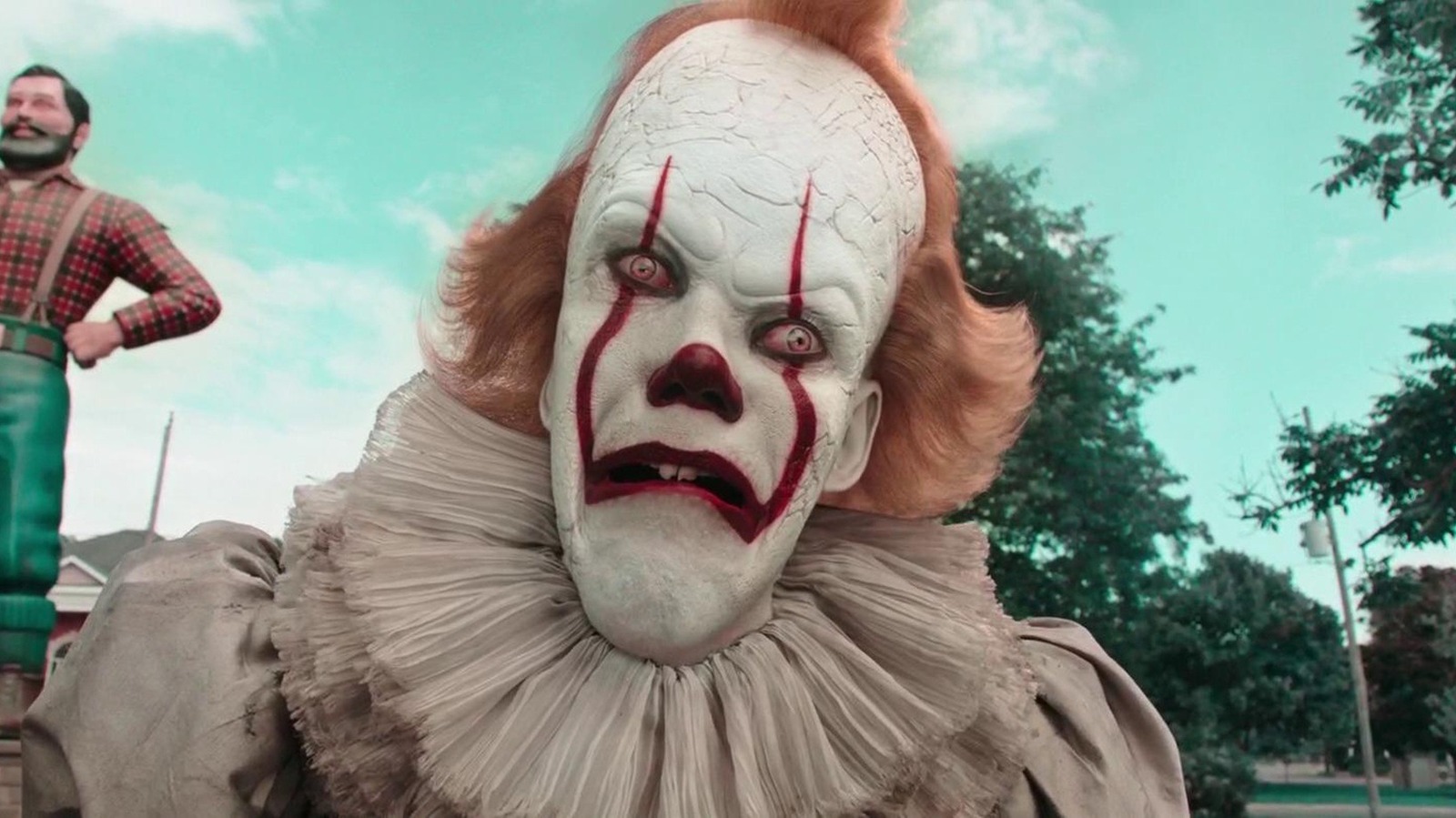
"It: Chapter Two," the sequel to the successful 2017 film "It," also failed to live up to expectations. Director Andy Muschietti struggled to maintain the quality of the first film, resulting in a messy and miscalculated sequel. The film's tone was inconsistent, oscillating between jump scares and comedic moments, with neither landing effectively. The pacing felt off, and the scares were predictable, ultimately leading to a disappointing follow-up to the original film.
In conclusion, the five most disappointing Stephen King movie adaptations highlighted in this article serve as cautionary tales of missed opportunities and artistic struggles. Despite the potential for greatness, these films failed to deliver on their promise, leaving audiences disappointed and longing for more.