The Mandalorian: Navigating Challenges and Changes in a Galaxy Far, Far Away
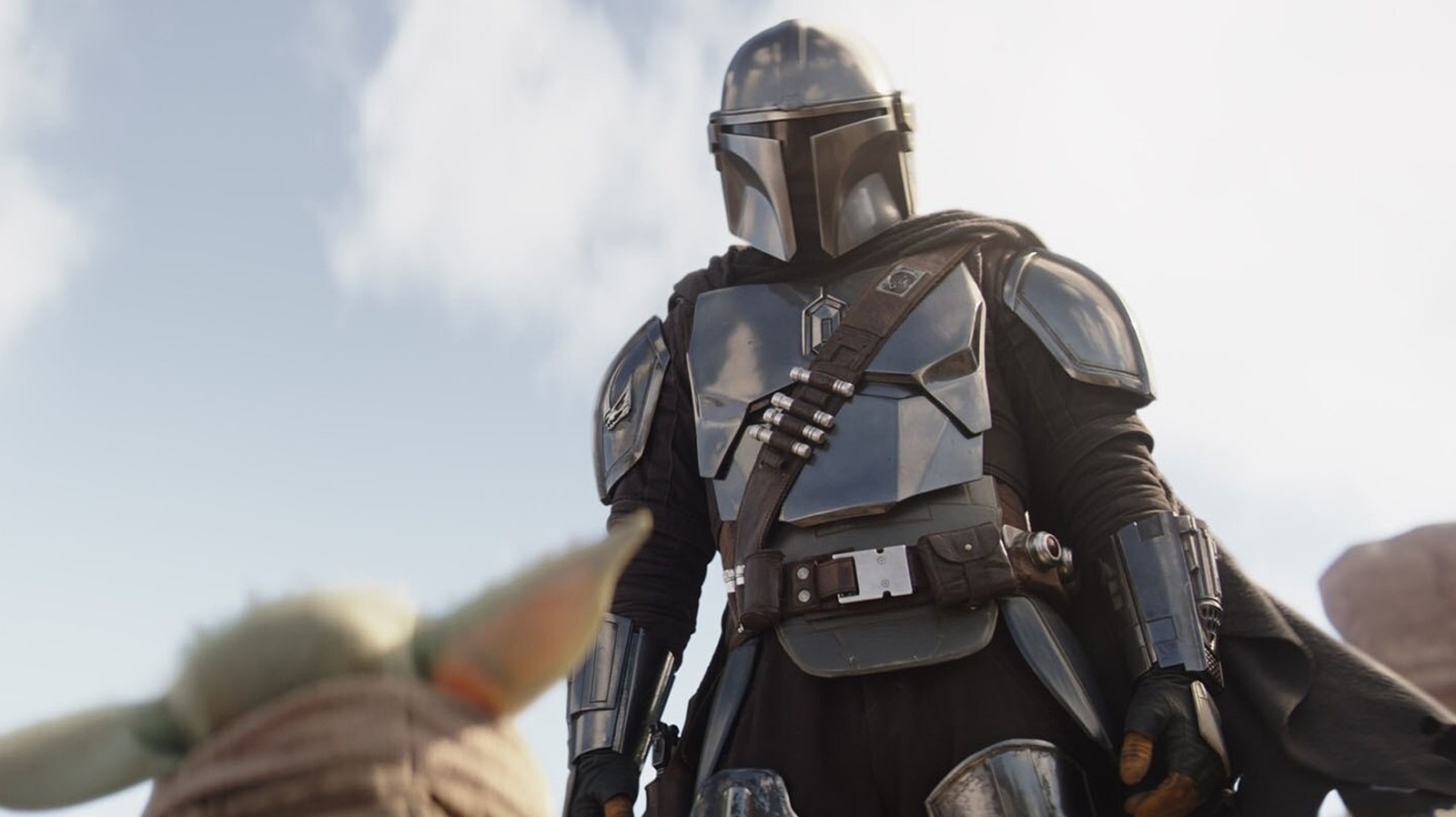
"The Mandalorian" was initially seen as a unifying force for the "Star Wars" fanbase after the divisive reception of "The Last Jedi." The show's first two seasons were widely praised, culminating in a crowd-pleasing appearance by Luke Skywalker in the Season 2 finale. However, Season 3 of "The Mandalorian" was met with criticism for being overstuffed and tonally inconsistent, signaling a departure from the show's previous success.
The decline of "The Mandalorian" can be attributed to the cancellation of the planned spin-off series, "Rangers of the New Republic," which was set to feature Cara Dune as the central character. After Gina Carano, the actress who portrayed Cara Dune, was fired due to controversial social media posts, the spin-off was scrapped. This decision had a ripple effect on "The Mandalorian," forcing creators Jon Favreau and Dave Filoni to incorporate elements of the canceled series into Season 3.
Despite the challenges they faced, Favreau and Filoni attempted to integrate the abandoned spin-off's ideas into "The Mandalorian," resulting in a disjointed narrative in Season 3. The departure of Cara Dune and the missed opportunity to explore the "Rangers of the New Republic" storyline left a noticeable gap in the show's continuity. The episode "The Pirate" hinted at what could have been, serving as a glimpse into the potential of the canceled spin-off.
Ultimately, the impact of the canceled spin-off series on "The Mandalorian" was significant, leading to a shift in the show's direction and tone. While Season 3 struggled to maintain the cohesion and momentum of its predecessors, it also highlighted the challenges of adapting to unforeseen changes in the production process. Despite these setbacks, "The Mandalorian" remains a key component of the expanding "Star Wars" universe, navigating the complexities of storytelling in a galaxy far, far away.