Detainee Hunger Strikes: Advocacy for Justice and Transparency in Immigration Detention Centers
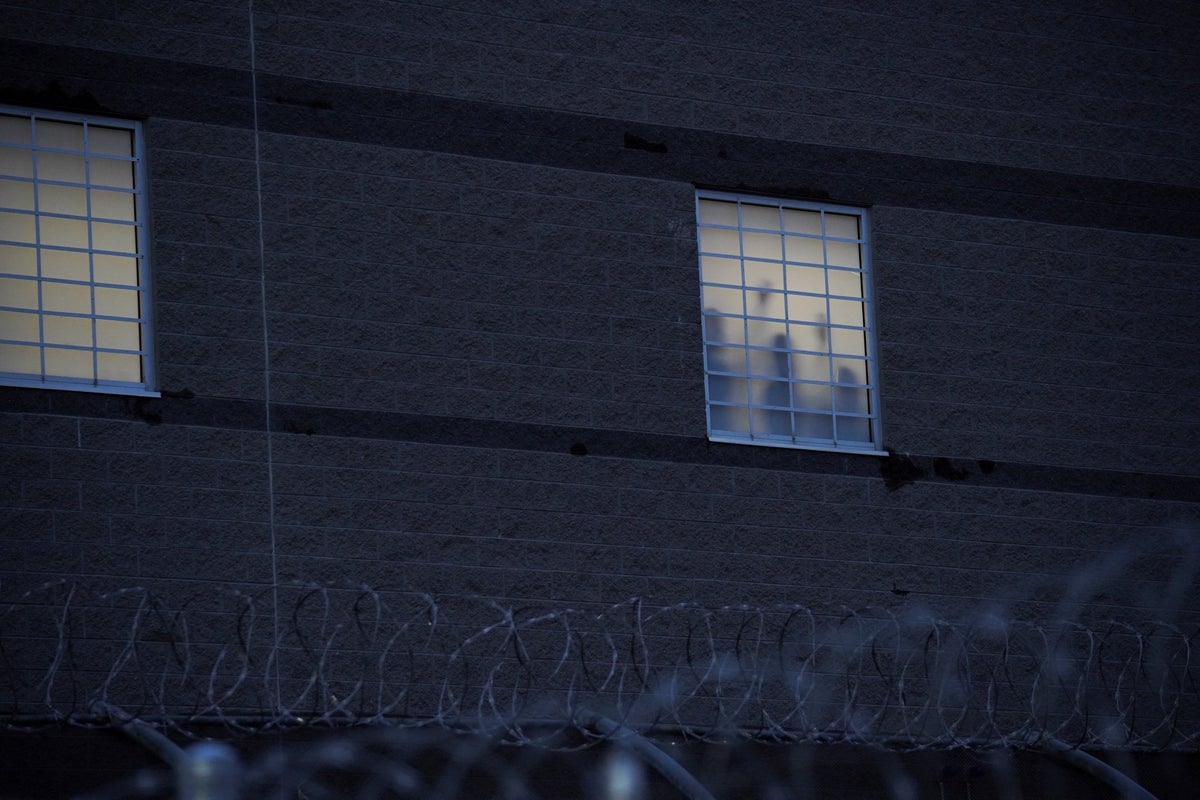
Approximately 300 individuals detained at an immigration facility in New Jersey have initiated a hunger strike to protest the deteriorating conditions and lack of due process. This action mirrors similar strikes in California, where detainees at the Desert View Annex are also on a hunger strike. The unrest within Immigration and Customs Enforcement (ICE) detention centers across the country is escalating, with demands for urgent attention to the treatment of detainees who have not been charged with a crime.
Detainees at the Delaney Hall detention center in New Jersey expressed feeling vulnerable and unjustly detained, citing physical and psychological torture due to inadequate food resources. Outside the facility, protesters, including Gabriela Soto, are demanding the release of their loved ones held inside. The situation intensified as protesters attempted to prevent a van from leaving with a detainee inside, leading to confrontations with law enforcement.
New Jersey Governor Mikie Sherrill joined the protesters to express her concern over the allegations of unsafe and inhumane living conditions at the facility. She emphasized her opposition to private detention facilities and called for the closure of Delaney Hall. Despite Homeland Security's denial of medical neglect allegations, reports of poor conditions persist, prompting calls for action from lawmakers and advocates.
The facility, operated by private prison contractor GEO Group, has faced criticism from Democratic members of Congress for substandard conditions, lack of medical care, and mistreatment by guards. Detainees claim they were arrested without warrants and pressured to accept deportation to countries in Africa, including those affected by health crises like Ebola. Lawmakers visiting the facility highlighted the overwhelming caseloads faced by immigration judges, questioning the fairness of the legal process for detainees.
Congressional representatives have introduced legislation to ensure access to detention centers without prior notice, aiming to shed light on the conditions faced by detainees. The ongoing detainee strikes and congressional scrutiny underscore the mounting pressure on the Trump administration over ICE detention practices. With a significant number of individuals in ICE custody and a concerning number of deaths reported, the treatment of detainees remains a critical issue that requires immediate attention.
In conclusion, the hunger strikes and advocacy efforts at immigration detention centers reflect a growing concern over the treatment of detainees and the lack of due process. The calls for improved conditions and legal access for individuals in ICE custody highlight the need for transparency and accountability within the immigration detention system. Efforts to address the challenges faced by detainees and ensure their rights are respected are essential in upholding principles of justice and human rights.