Leo XIV's Encyclical: Ethical AI Development for the Common Good
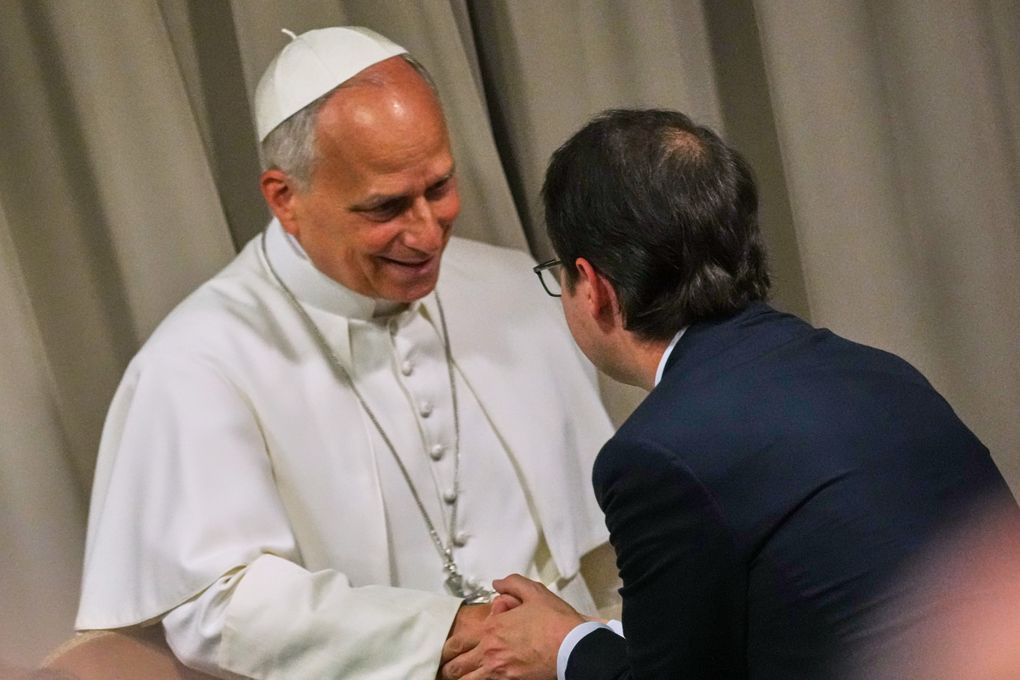
Pope Leo XIV has released his first encyclical, titled "Magnifica Humanitas," in which he calls for the regulation of artificial intelligence (AI) and urges developers to prioritize the common good over profit. The pope expressed concerns about the culture of power driving the AI race, particularly in the context of remote warfare. He emphasized the need to avoid entrusting irreversible, lethal decisions to AI systems and criticized the concentration of power and data in the hands of a few individuals in the private sector.
Leo's encyclical is expected to have a significant impact on the debate surrounding AI, serving as a reference point for policymakers, researchers, and the general public. The pope highlighted the importance of ethical and spiritual guidelines in AI development and urged developers and regulators to reflect on the implications of their work. He emphasized the need for external regulation and oversight to ensure that AI serves humanity's best interests.
The encyclical also addressed concerns about AI's potential to replace human jobs and intelligence, raising questions about the essence of humanity in the face of technological advancements. Leo called for a more moral approach to AI development, emphasizing the importance of working for the betterment of humanity rather than personal gain. The pope's text underscored the need for a responsible and ethical approach to AI that prioritizes human dignity and the common good.
Leo's encyclical drew attention to the risks associated with AI, including the normalization of war and the desensitization of people to its consequences. He called for transparency and accountability in AI development, particularly in the context of ordering strikes with AI weaponry. The pope acknowledged the challenges posed by technological advances in warfare and emphasized the need for ethical considerations in decision-making processes.
Overall, Pope Leo XIV's encyclical on AI represents a significant contribution to the ongoing dialogue on technology and ethics. By addressing the social implications of AI and advocating for a more human-centered approach to development, the pope's manifesto offers a comprehensive and coherent perspective on the role of technology in serving humanity.