Voting Under Threat: The Dilemma of Democracy in Colombia's Conflict Zones
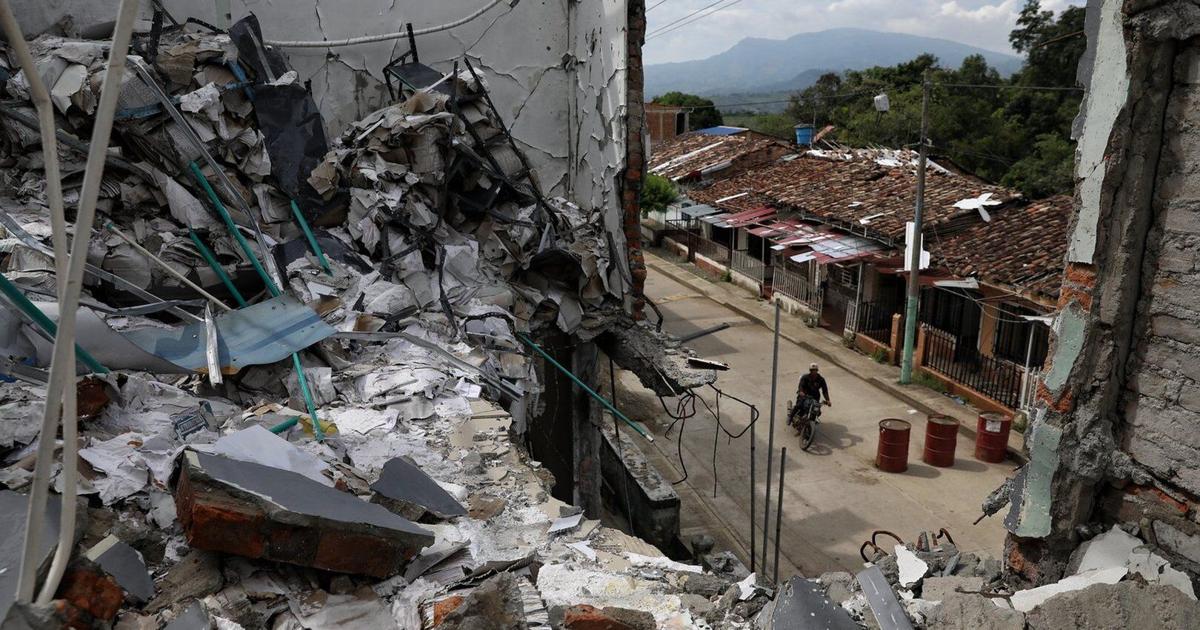
In a small town in Colombia, Gladys Marín contemplates whether to walk across the street to the nearby school where polling stations will open for the upcoming presidential election. Despite the convenience of the location, concerns about safety loom large, potentially deterring her from exercising her right to vote.
Situated in the southwestern village of Potrerito, Gladys' home is in close proximity to the local police station, which has been the target of repeated attacks involving drone-dropped explosives. These incidents are attributed to a rebel faction that opposed a peace deal reached with the Colombian government ten years ago.
The fear of violence and insecurity in the region casts a shadow over the electoral process, making residents like Gladys hesitant to participate in the democratic exercise. The looming threat of attacks and the volatile situation in the area create a challenging environment for voters to engage in the upcoming election.
Despite the proximity of the polling stations and the accessibility of the voting process, the prevailing climate of fear and uncertainty poses a significant barrier for residents like Gladys to exercise their right to vote. The delicate balance between safety concerns and civic duty underscores the complex realities faced by individuals in conflict-affected regions during electoral events.
In conclusion, the upcoming presidential election in Colombia is not just a political event but also a test of resilience and courage for citizens like Gladys Marín, who must navigate the delicate balance between personal safety and democratic participation in a challenging environment. The decision to vote or abstain reflects the profound impact of insecurity on the exercise of democratic rights in conflict-affected areas.