Securing the UK: GCHQ Chief Warns of Russian and Chinese Cyber Threats
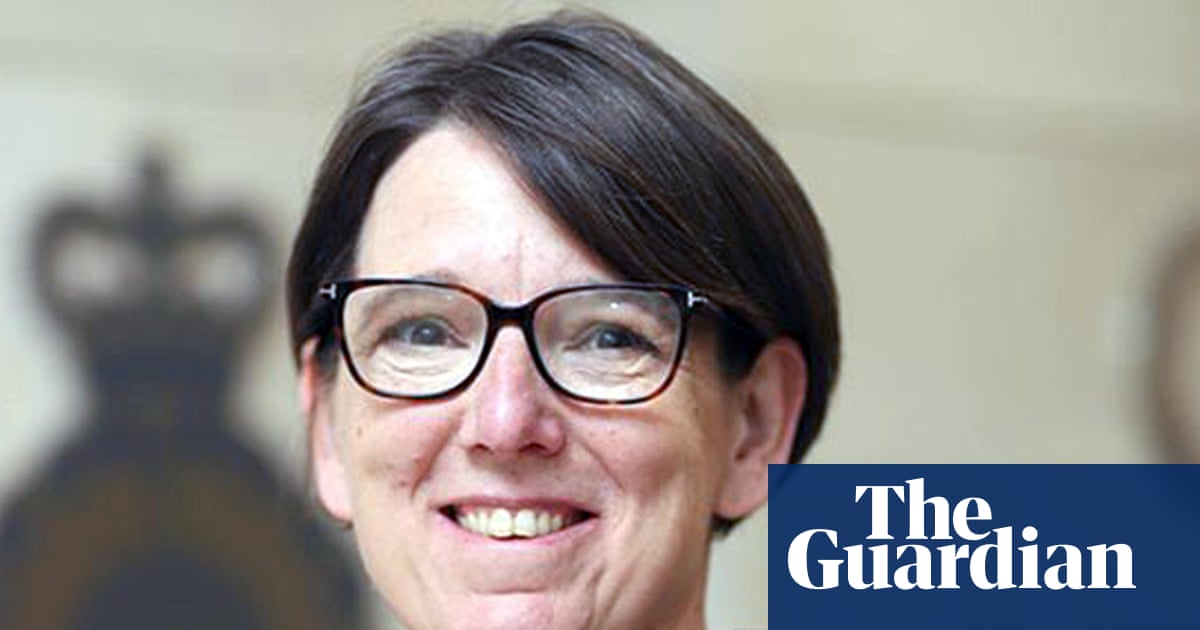
The head of the spy agency GCHQ will deliver a lecture warning about Russia's relentless targeting of Britain's infrastructure and democracy, as well as the need to stay ahead of China's technological advancements. Anne Keast-Butler will highlight the risks posed by cyber-attacks from Russia and China, emphasizing the need for GCHQ to protect the UK and its allies.
Russia is actively targeting critical infrastructure, democratic processes, and public trust in the UK, posing significant threats that GCHQ must counter. The spy agency is working to fend off cyber-attacks and sabotage attempts to safeguard the country and support its allies, including Ukraine.
While the threats from Russia are pronounced, the language around China is more subdued, reflecting efforts to maintain positive trade relations. However, China's advancements in science and technology, particularly in artificial intelligence, present a challenge for the UK and its allies to stay ahead in the rapidly evolving landscape.
The UK faces four major cybersecurity incidents a week, with China, Russia, and Iran being responsible for most serious attacks. The National Cyber Security Centre has reported on the scale of hostile online activities, highlighting the need for vigilance and preparedness in the face of evolving threats.
Spy chiefs have warned that the UK is in a precarious position between peace and war, as information and technology are increasingly weaponized by adversaries like Russia. Keast-Butler will stress the importance of addressing the brazen behavior of adversaries in a talk at Bletchley Park, the historic home of GCHQ.
In a proactive move, the UK targeted Russia-linked cryptocurrency platforms, banks, and financial networks to disrupt their ability to bypass sanctions. Assets were frozen, and UK firms were prohibited from processing payments for entities involved in supporting Russia's war economy.
The UK's actions aimed to dismantle shadow financial systems used by Russia to evade sanctions, including the Kremlin-backed A7 network. Crypto exchanges and entities operating Russia-focused platforms were also sanctioned, demonstrating a commitment to holding those enabling Russia's aggression accountable.
Foreign Secretary Yvette Cooper emphasized the UK's determination to work with allies to expose and disrupt networks supporting Russia's aggression, ensuring that those facilitating hostile activities face consequences. The UK remains vigilant in addressing evolving threats and safeguarding national security.