Supreme Court Ruling on Free Speech Rights of Federal Immigration Judges: Implications for Presidential Authority and Agency Independence
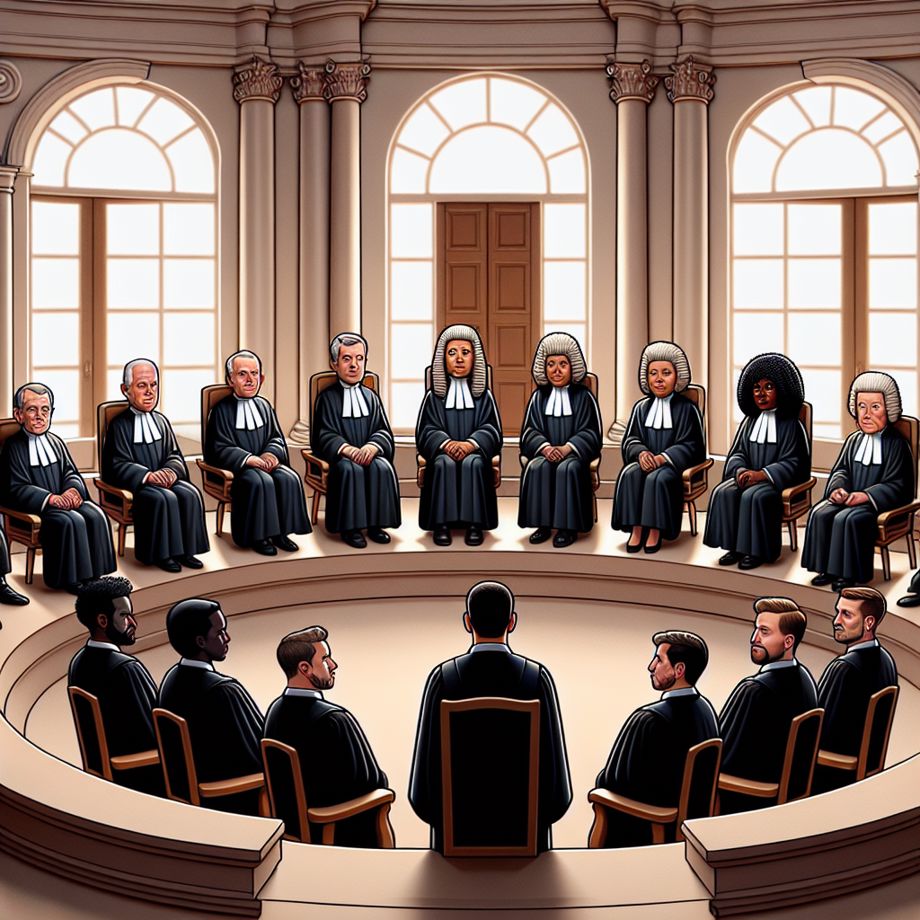
The U.S. Supreme Court recently ruled in favor of President Donald Trump's administration in a case involving the free-speech rights of federal immigration judges. The decision overturned a previous ruling by a lower court and sent the case back for further review. The core issue of the speech restraint policy remains unaddressed in this ruling, which originated during Trump's first term.
The case stemmed from a challenge to the dismissals of agency heads and their autonomy, as mandated by Congress. Immigration judges were particularly concerned about the policy requiring approval for official communications. The Executive Office for Immigration Review implemented this policy under Trump and it has continued under President Biden.
While a Virginia judge initially dismissed the challenge, the 4th Circuit Court believed that Trump's leadership changes warranted more investigation. This led to the appeal to the Supreme Court, highlighting the ongoing legal battles over presidential authority and the independence of government agencies.
In conclusion, the Supreme Court's decision in this case represents a victory for the Trump administration and raises important questions about the balance of power between the executive branch and independent agencies. The outcome of this ruling will likely have implications for the future of free speech rights for federal immigration judges.