The Cars: A Journey Through New Wave Success and Disbandment
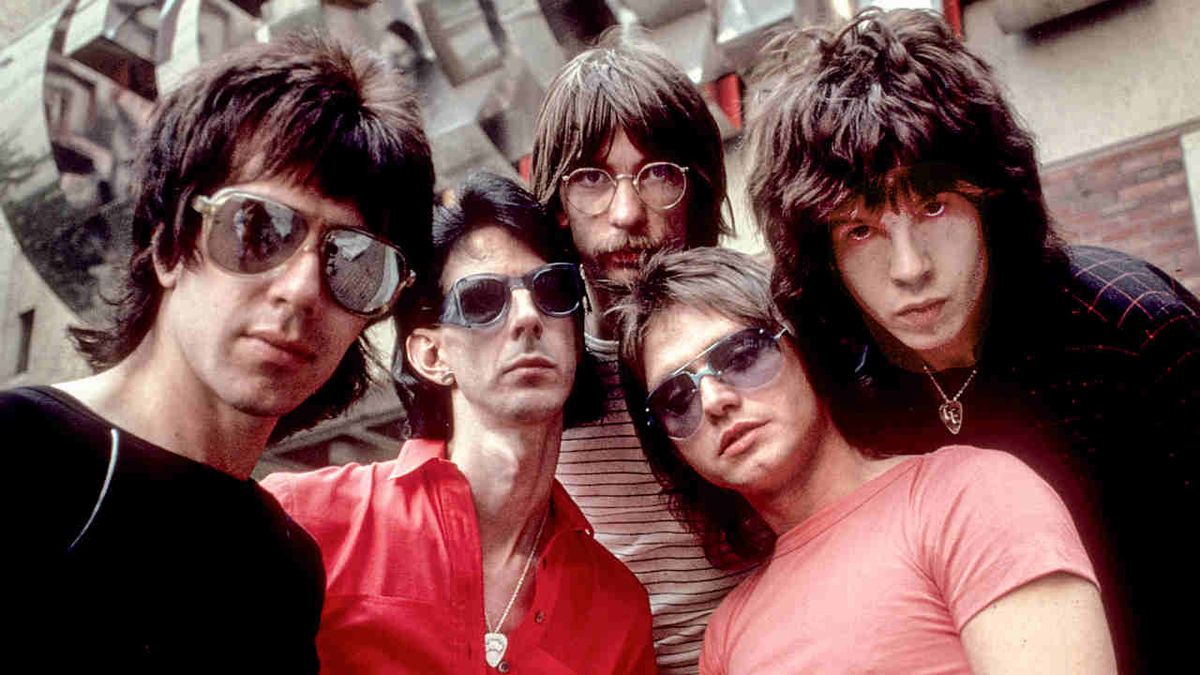
The Cars, a popular American band in the late 70s and early 80s, produced hits like "My Best Friend's Girl," "Shake It Up," "You Might Think," and "Drive" before disbanding in 1988. The band's split followed the departure of co-vocalist and chief songwriter Ric Ocasek. In 2005, guitarist Elliott Easton and keyboard player Greg Hawkes discussed the band's career as they prepared to launch The New Cars, a new project. Led by Ocasek, The Cars were known for their new wave sound and success in the music industry.
Ocasek and Ben Orr, both from different cities, formed The Cars in the early 70s in Boston. The band's lineup included keyboardist Greg Hawkes, guitarist Elliot Easton, and drummer David Robinson. The group struggled to secure a record deal initially but gained attention after their demo tape was played on the radio, leading to a record deal with Elektra. The band's self-titled debut album, released in 1978, featured hits like "Good Times Roll," "My Best Friend's Girl," and "Just What I Needed."
The Cars' success continued with their second album, "Candy-O," released in 1979, which peaked at No. 4 on the US charts. The band toured with established acts like Bob Seger, Thin Lizzy, and Cheap Trick, gaining popularity among audiences. Subsequent albums like "Panorama" and "Shake It Up" showcased the band's evolving sound and style, blending new wave and pop elements.
In 1984, The Cars released "Heartbeat City," produced by Mutt Lange, which spawned hit singles like "You Might Think," "Magic," "Hello Again," and "Drive." The album's success, coupled with creative music videos, solidified the band's presence in the music industry. Despite their achievements, tensions arose within the band during the recording of their 1987 album "Door To Door," leading to strained relationships and a decline in album sales and tour attendance.
The band's disbandment in 1988 was marked by Ocasek's departure, signaling the end of an era for The Cars. While the original members briefly reunited in the 90s, a full-fledged reunion did not materialize. The band's legacy lived on through covers by other artists and Ocasek's successful career as a producer. The surviving members reunited for the 2011 album "More Like This," and Ocasek's passing in 2019 marked the end of an era for The Cars.
In conclusion, The Cars' journey from their early days in Boston to their chart-topping success and eventual disbandment is a testament to their impact on the music industry. Despite challenges and internal tensions, the band's legacy continues to resonate with fans and musicians alike, showcasing their enduring influence on the new wave genre.