Whitesnake's Transformation: The Journey to the Self-Titled Album
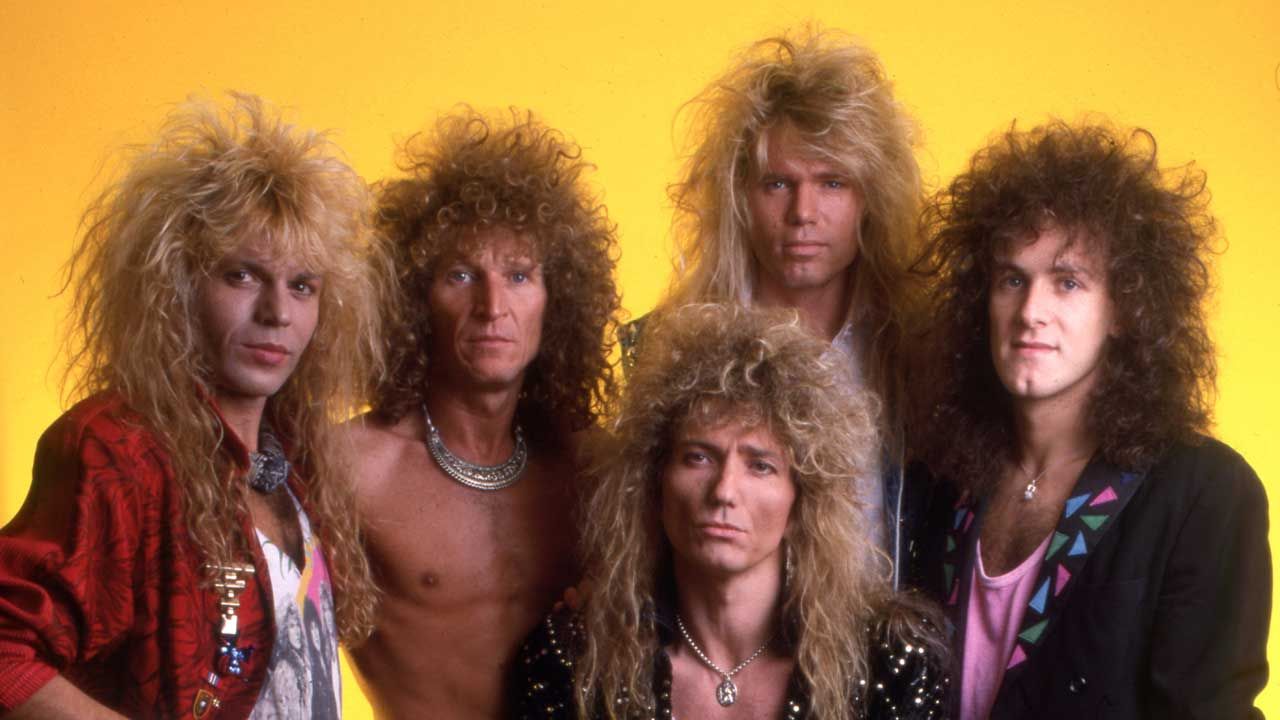
Whitesnake experienced a significant transformation between 1984 and 1987, culminating in their successful self-titled album. Led by David Coverdale, the band embraced a new stylized image and sound, marking a departure from their previous blues and pop roots. With the addition of guitarist John Sykes, Whitesnake aimed for a leaner and more electrifying sound, resulting in a fresh direction for the band.
Recording the album at Little Mountain Studios in Vancouver, Canada, was a challenging process due to Coverdale's sinus infection, which required a major operation. Despite setbacks, the album, featuring revamped versions of hits like "Here I Go Again," was a massive success upon its release in 1987. The glossy radio-metal anthem "Here I Go Again" and power ballad "Is This Love" propelled Whitesnake to new heights, with over eight million copies sold in the US alone.
The album's blend of classic rock vibes and chart-friendly tunes resonated with audiences, capturing the essence of the 80s era. With high-budget music videos and a glamorous visual approach, Whitesnake became a staple on MTV, solidifying their place in the music scene. Coverdale, initially aiming for modest success, was taken aback by the overwhelming response to the album, attributing much of their success to MTV's support and the band's evolution.
Whitesnake's 1987 album marked a pivotal moment in the band's career, showcasing their ability to adapt to changing musical landscapes and capture the zeitgeist of the time. With a new lineup and a fresh sound, Whitesnake's self-titled album propelled them to international fame and cemented their status as rock icons.