The Beatles' Influence in East Germany: A Cultural Revolution Under Communist Rule
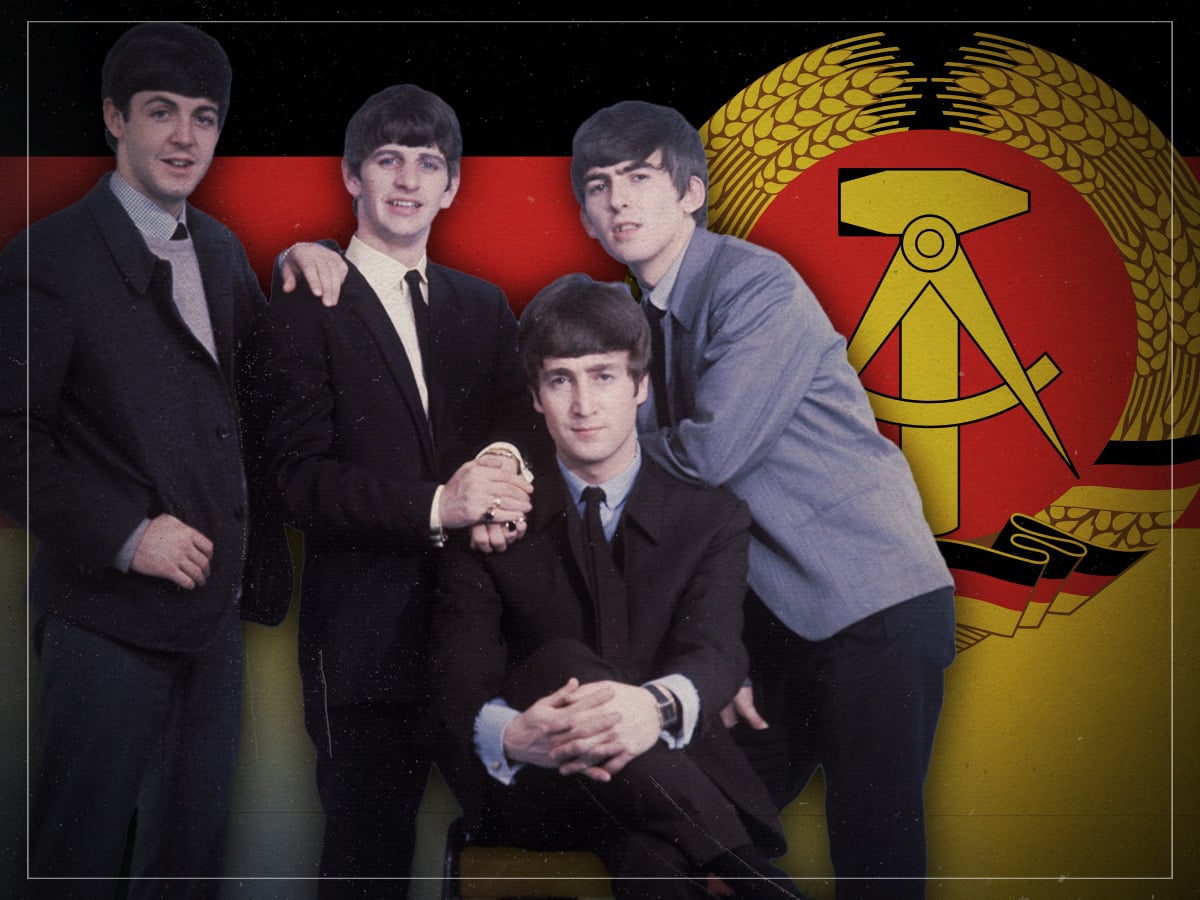
During the Cold War, the rise of the Beatles and their global popularity caused concern and panic in both the East and West. The German Democratic Republic (GDR) was particularly wary of the Fab Four's influence on the youth, viewing them as symbols of bourgeois corruption that threatened socialist values. Despite initial resistance, the GDR eventually allowed some official Beatles releases through the state-owned Amiga label, but this tolerance was short-lived.
The Beatles' hit song 'She Loves You' sparked controversy in the GDR, leading to a response from the ruling Socialist Unity Party of Germany. The state released a German version of the song, 'Sie liebt dich', but the catchy "Yeah, yeah, yeah" refrain continued to infiltrate the East German underground culture, much to the dismay of the Marxist-Leninist state's leader, Walter Ulbricht.
The GDR's crackdown on creative culture extended to literature, plays, and artworks that were deemed counter-revolutionary. The Beatles' music was not spared from this censorship, and their one Amiga LP was banned in East Germany. Fans resorted to smuggling Beatles records across the border or tuning in to West German pop radio illegally, risking harassment from the Stasi secret police.
Despite the official ban, the Beatles' music continued to circulate in the GDR through underground channels. The USSR's Melodiya label quietly released Beatles EPs and compilations to appease the demand, but it wasn't until 1974 that the GDR officially issued the album 'A Collection of Beatles Oldies'. This marked a slight easing of restrictions on youth culture during General Secretary Erich Honecker's tenure.
For many young Germans in the former East, the Beatles' music was a gateway to a broader music scene that included local bands like Silly, Karat, and the Puhdys, as well as international acts like Bob Dylan and Bruce Springsteen. The cultural impact of the Beatles and other artists played a role in shaping the music landscape in East Germany before the fall of the Berlin Wall and the dissolution of the GDR.