Protecting Identity in the Digital Age: Taylor Swift's Trademark Filings and the Legal Frontier of AI Misuse
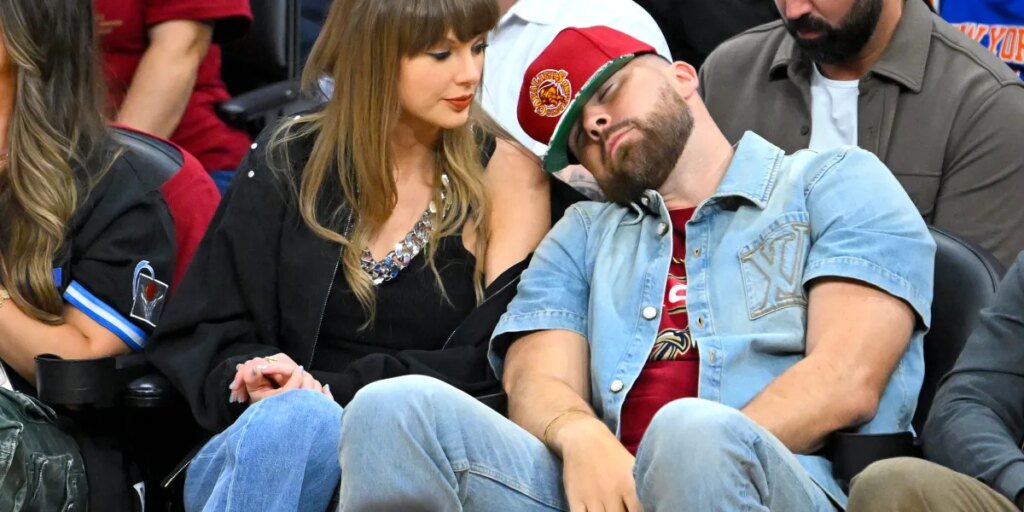
Taylor Swift, a globally renowned celebrity, has faced challenges related to artificial intelligence (AI) abuse, including the spread of fake nudes and the misuse of her voice and likeness for fabricated political messages and product endorsements. In response, Swift's intellectual property and brand management company, TAS Rights Management, filed trademark applications to protect short audio clips of her voice and visual likeness. This move highlights a new legal frontier in AI, focusing on trademark law rather than copyright to prevent AI-generated voices and images from misleading people into believing she has endorsed a product or message.
While most AI-related litigation has centered on copyright violations, Swift's trademark filings address the issue of protecting her identity and preventing AI-generated content from misleading consumers. Trademark law aims to safeguard names, images, sounds, and other identifiers that help consumers recognize the source of a product or service. In the context of AI-generated content mimicking a person's voice or face, trademark law becomes crucial in addressing the potential confusion and deception caused by unauthorized use of a celebrity's likeness.
Swift's trademark filings also touch on publicity rights, which protect against the unauthorized commercial use of a person's identity, including their name, image, likeness, or voice. The bipartisan NO FAKES Act, introduced in 2025, seeks to establish a national standard prohibiting unauthorized AI-generated replicas of a person's voice or visual likeness. This legislation reflects the growing concern over the misuse of AI technology to create fake endorsements and misleading content.
In the United States, publicity rights are primarily governed by state law, leading to a patchwork of regulations. The introduction of the NO FAKES Act aims to create a consistent national standard for addressing unauthorized AI-generated content. Swift's proactive approach to trademarking her voice and likeness underscores the need for legal protections against deceptive AI-generated content that can harm a celebrity's reputation and deceive consumers.
As AI technology advances, the legal landscape surrounding AI-generated content and celebrity endorsements will continue to evolve. Trademark law plays a crucial role in protecting against misleading representations and ensuring that consumers can identify the true source of a product or message. Swift's trademark filings signal a shift towards addressing the challenges posed by AI-generated content and the need to safeguard the integrity of a celebrity's identity in the digital age.