Breaking Barriers: The YouTube-to-Horror Feature Filmmaker Pipeline and the Challenges of Access and Representation
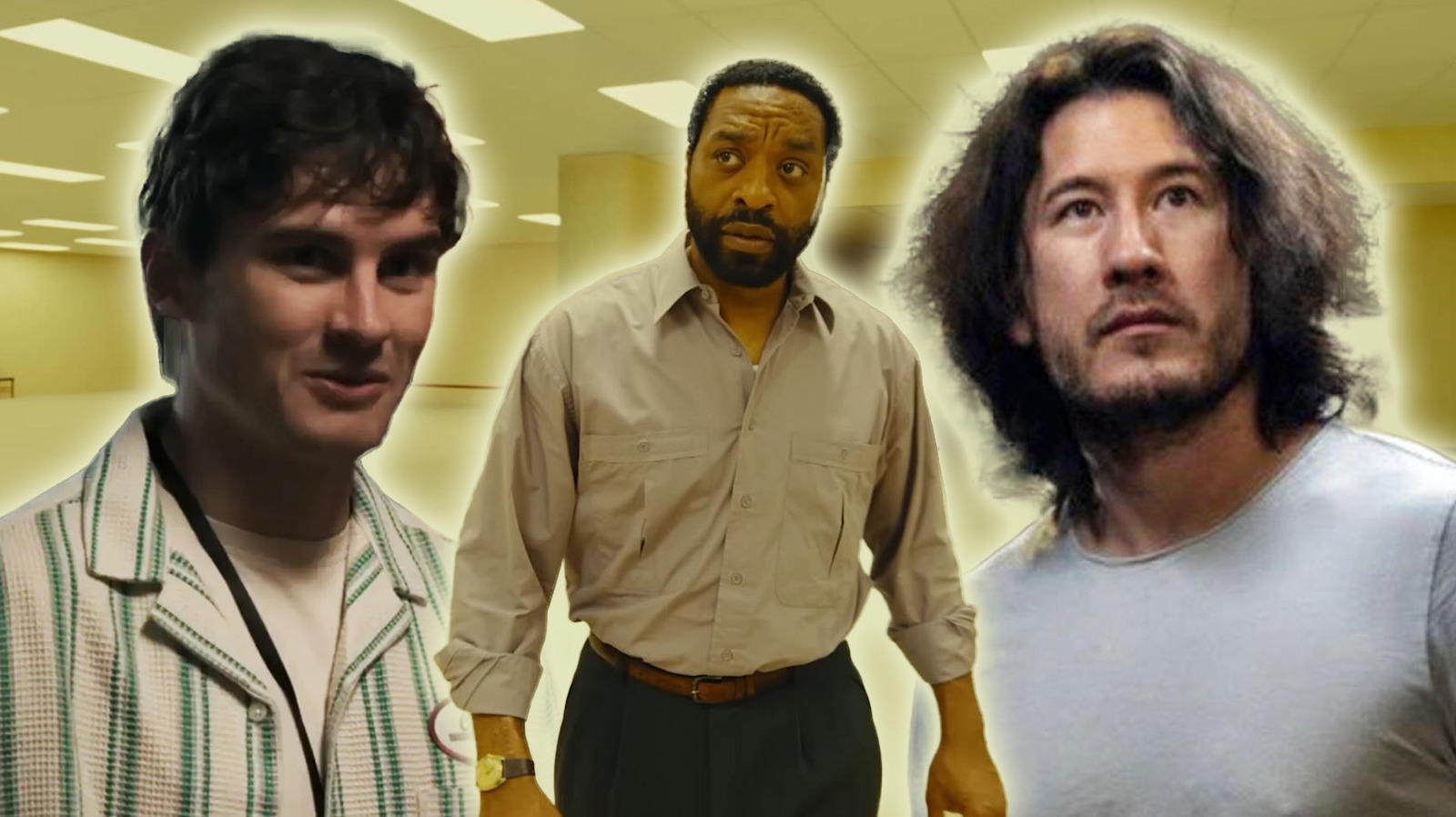
The horror genre has always been a haven for artists who create work that challenges the norm, with many independent filmmakers finding success outside the traditional studio system. YouTube has emerged as a platform where these independent voices can thrive, leading to the discovery of talented filmmakers by major studios. Filmmakers like David F. Sandberg, Michael Philippou, Danny Philippou, Kyle Edward Ball, Chris Stuckmann, Markiplier, Curry Barker, and Kane Parsons have all made waves in the horror genre through their work on YouTube, with some even securing distribution deals and box office success.
The YouTube-to-Horror Feature Filmmaker pipeline has proven to be a real pathway for emerging filmmakers. However, it is essential to recognize the access issues that exist within this pipeline. While YouTube has provided a new avenue for filmmakers to showcase their work, the platform's success metrics highlight the systemic challenges present in the industry. The success stories of YouTube creators transitioning to mainstream media underscore the need to address the gatekeeping and biases that persist in the entertainment industry.
The culture surrounding prominent YouTube figures like MrBeast sheds light on the gender inequality prevalent on the platform. Despite the contributions of women in content creation, the representation of women among the most-subscribed channels on YouTube remains low. The challenges faced by women creators, including the pressure to downplay their gender and the gender credibility gap, highlight the structural inequities that hinder their success on the platform. The reliance on algorithms and the prevalence of online harassment further exacerbate the barriers faced by marginalized individuals, including women, in the digital space.
In conclusion, while YouTube has provided a platform for independent filmmakers to showcase their work and gain recognition, it is crucial to address the systemic issues that impact access and representation within the industry. The success stories of YouTube creators breaking into mainstream media underscore the need for greater inclusivity and support for marginalized voices in the digital landscape. By acknowledging and challenging the biases and barriers that exist, we can work towards a more equitable and diverse creative industry.