Exploring David Bowie's Musical Evolution: From Berlin to Lodger
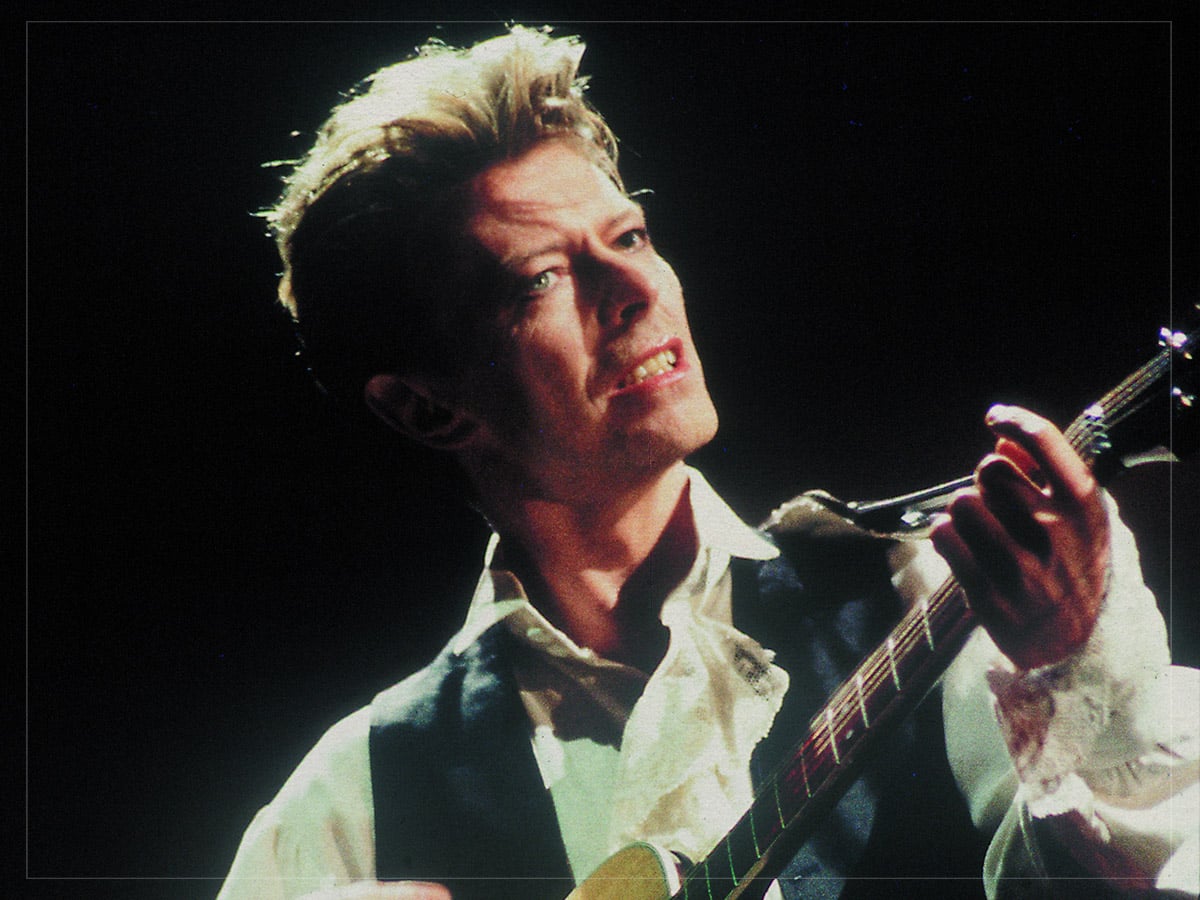
David Bowie was known for his unpredictable music style, always keeping his audience guessing with each new record. While he may not have hit the mark every time, Bowie's willingness to challenge himself and experiment with different sounds set him apart as a legendary artist. From his debut album to his time in Berlin with Brian Eno, Bowie's discography is a testament to his ever-evolving creativity.
Despite some albums like Never Let Me Down receiving mixed reviews, Bowie's ability to pivot and explore new musical territories was evident throughout his career. Albums like Ziggy Stardust and Aladdin Sane showcased his brilliance, while Diamond Dogs marked a turning point where Bowie felt the need to push himself further. His time in Berlin resulted in groundbreaking albums like Low, where he deconstructed his music and embraced new sonic landscapes.
While Bowie's Berlin trilogy with Brian Eno produced innovative and influential music, Lodger was the one album that Bowie felt fell short in terms of production. Despite the quality of the songs, Bowie and producer Tony Visconti believed they rushed through the mixing process, leaving the album feeling unfinished. However, this rawness and experimentation with new wave sounds set Lodger apart and hinted at the synth-driven direction Bowie would explore in the 1980s.
Lodger may not have been a commercial success like some of Bowie's other albums, but its importance lies in its role as a bridge between his Berlin era and his later MTV success. The album's unfinished production adds a unique charm, showcasing Bowie's willingness to take risks and push boundaries in his music. Lodger may not be remembered as one of Bowie's biggest albums, but its influence on his evolving sound cannot be understated.