Exploring Liminal Spaces: The Power of Unease and Dread in Horror Films
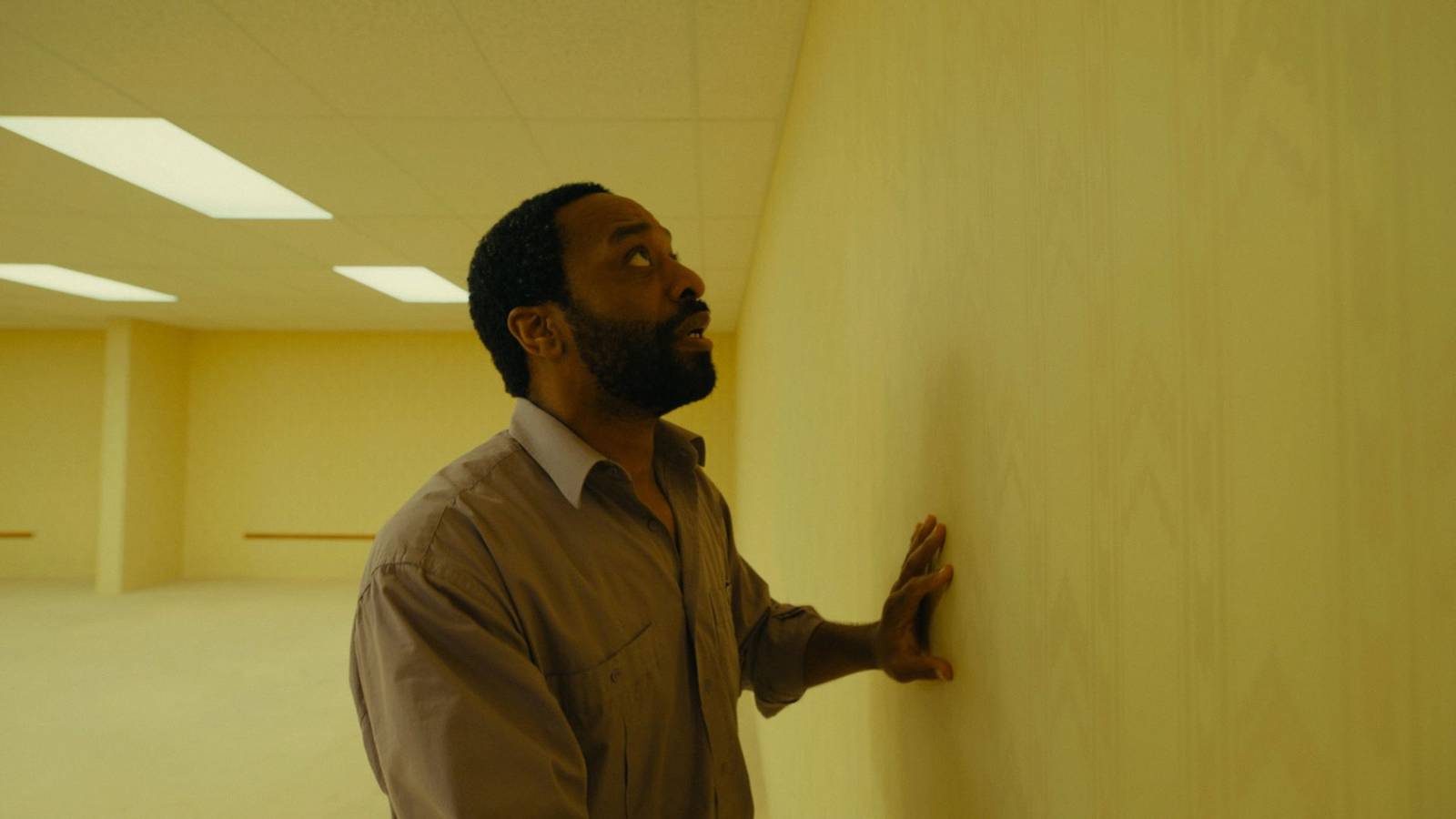
A24's 2026 hit movie "Backrooms" has broken records for the production company, becoming the highest-grossing horror movie of the year. The film, directed by a YouTube personality and inspired by a creepypasta, utilizes the concept of liminal spaces to create a sense of unease and dread. Liminal spaces are defined as transitional or unsettling locations, often devoid of people but filled with a sense of familiarity tinged with wrongness. This technique has been used in various horror films throughout history, including iconic works like "The Shining" and "Lost Highway."
"Backrooms" centers around a man named Clark who navigates a labyrinth of rooms filled with hidden secrets, drawing inspiration from a viral internet photo that sparked unease. The film's success highlights the effectiveness of using liminal spaces to evoke fear and suspense, as the yellowed walls, moldy carpets, and eerie atmosphere of the rooms create a chilling backdrop for the narrative. The popularity of "Backrooms" underscores the enduring appeal of liminal horror in captivating audiences and delivering nightmarish scenarios.
In the 2022 film "Skinamarink," director Kyle Edward Ball explores the concept of liminal spaces through the story of two young children who discover their suburban home transforming into a nightmarish realm. The grainy, low-light cinematography captures the unsettling nature of the children's house, turning a once familiar environment into a source of terror. The film's meditative approach to horror and its use of liminal spaces challenge traditional storytelling conventions, offering a unique and immersive viewing experience.
Similarly, the 2019 movie "Vivarium" transforms an entire suburban development into a series of liminal spaces, trapping a couple in a nightmarish loop of identical houses and empty streets. The eerie emptiness of the neighborhood and the sense of dread that permeates the setting create a haunting atmosphere that mirrors the themes of confinement and isolation. "Vivarium" showcases the power of liminal spaces to evoke psychological unease and existential dread, blurring the line between reality and nightmare.
"Session 9," a 2001 horror film directed by Brad Anderson, delves into the unsettling world of an abandoned mental hospital, where an asbestos-abatement crew uncovers dark secrets and supernatural forces. The decaying corridors, empty rooms, and haunting atmosphere of the hospital serve as a backdrop for the film's psychological horror, highlighting the inherent creepiness of liminal spaces. The real-world location of the Danvers State Hospital adds an authenticity and chilling realism to the narrative, enhancing the sense of foreboding and dread.
"Pulse," a 2001 Japanese horror film, explores the intersection of technology and the supernatural, as ghosts manifest through computer screens and ordinary apartments become gateways to the land of the dead. The concept of the Forbidden Rooms, marked by red tape and serving as portals between the living world and the afterlife, creates a sense of eternal loneliness and existential terror. The film's use of liminal spaces underscores the idea that death and isolation are inextricably linked, heightening the sense of dread and unease.
"I Saw the TV Glow," an inventive psychological horror film from A24, follows a teenage boy who becomes entangled in a supernatural mystery involving a late-night TV show and a disappearing classmate. The film's portrayal of 1990s suburbia as a liminal space, filled with empty streets, eerie lighting, and a sense of unreality, enhances the atmosphere of suspense and unease. The protagonist's journey through familiar yet distorted locations mirrors his own internal struggles, blurring the boundaries between reality and fantasy.
In "Cube," a 1997 horror film directed by Vincenzo Natali, seven strangers find themselves trapped in a labyrinthine prison of identical cube-shaped rooms, each rigged with deadly traps. The concept of the cube itself as a liminal space, with its endless array of interconnected rooms and lack of clear exits, creates a sense of disorientation and claustrophobia. The film's use of color-coded rooms and repetitive design underscores the cyclical nature of the characters' predicament, amplifying the tension and suspense.
"Coraline," an animated stop-motion film by Henry Selick based on Neil Gaiman's novel, follows a young girl who discovers a parallel world behind a hidden passage in her new home. The passageway serves as a liminal space that connects Coraline's reality to the eerie realm of the Other Mother, blurring the boundaries between the familiar and the uncanny. The film's use of the passageway as a gateway to a twisted version of reality underscores the theme of duality and the dangers of escapism.
In conclusion, the use of liminal spaces in horror films has proven to be a powerful tool for creating suspense, unease, and psychological terror. By transforming familiar locations into unsettling realms filled with dread and mystery, filmmakers can immerse audiences in a nightmarish world where reality and fantasy blur. The success of films like "Backrooms," "Skinamarink," "Vivarium," and others demonstrates the enduring appeal of liminal horror and its ability to captivate viewers with its haunting atmosphere and chilling storytelling.