Exploring the Legacy of Surak: The Evolution of Vulcan Society in Star Trek
Welcome to Trekspertise, a series that delves into the technology, history, details, and decisions that shape the intricate and enjoyable Star Trek universe.
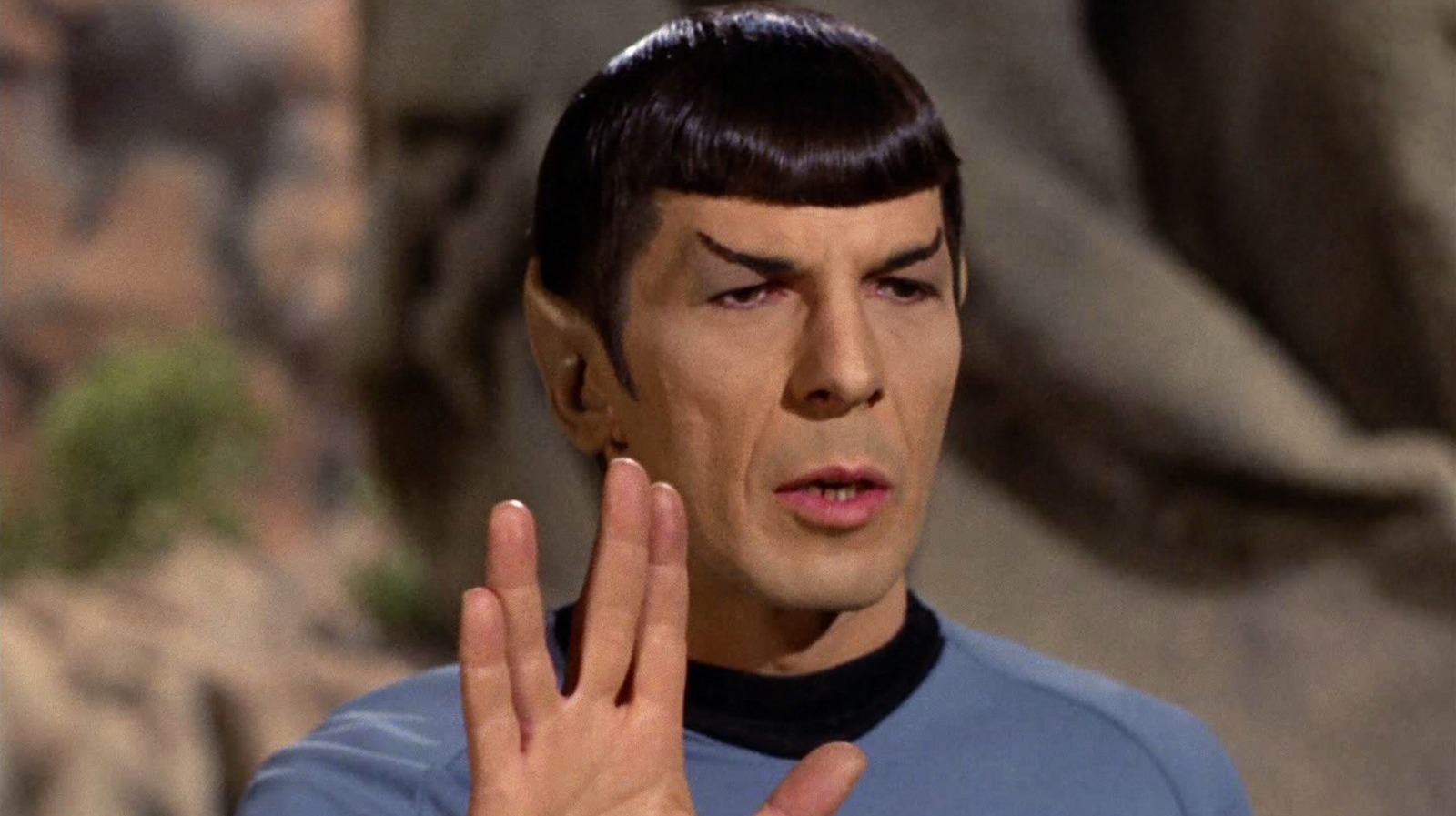
In the early days of "Star Trek," the character of Spock, a half-human-half-Vulcan science officer, stood out with his logical and emotionless demeanor, contrasting the passionate responses of his crewmates. The Vulcan species, known for their dedication to pure logic, had a tumultuous past marked by violence and self-destruction.
Surak, considered the Vulcan Messiah, played a pivotal role in transforming Vulcan society by introducing the concept of emotionless logic as the foundation for their civilization. His teachings led to a period known as the Time of Awakening, where logic prevailed and peace was achieved.
Despite Surak's efforts, some Vulcans diverged from his teachings, leading to the formation of splinter groups like the Romulan Star Empire and the V'tosh Ka'tur. These factions retained their passions and deviated from the path of logic, engaging in secrecy, war, and violence.
While Vulcans were known for their commitment to logic, they also exhibited impatience and a tendency towards secrecy and conflict. The development of mind-melds, once considered taboo in Vulcan society, and covert military actions against other species highlighted the complexities of Vulcan culture.
In conclusion, the legacy of Surak and the evolution of Vulcan society showcase the intricate interplay between logic, emotion, and conflict within the Star Trek universe. The journey of the Vulcans from a violent past to a society based on logic and peace reflects the enduring themes of transformation and unity in the franchise.