Stalemate in the Strait: The Ongoing Conflict Between the U.S. and Iran
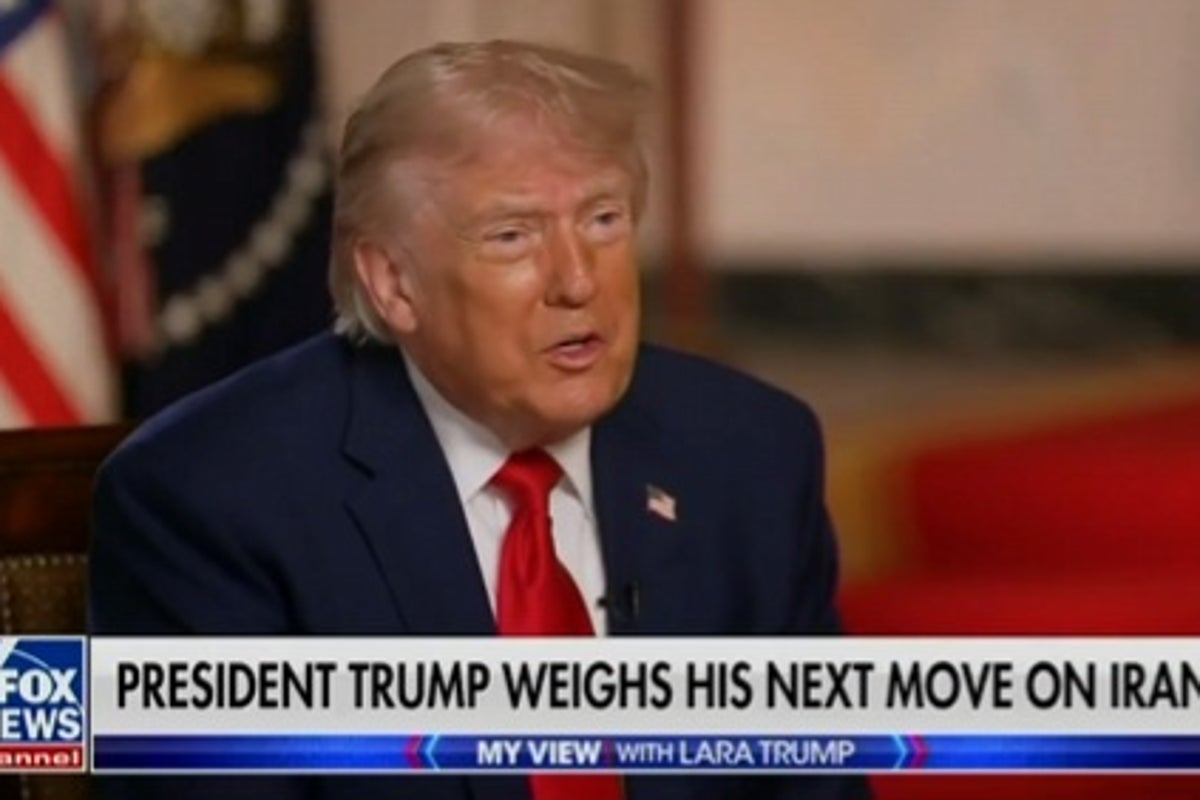
The ongoing war between the U.S. and Iran has now surpassed three months, with President Trump acknowledging that Iran's military remains largely untouched by U.S. strikes. Despite previous claims of swift victory, the conflict has reached a stalemate, with negotiations ongoing to extend the ceasefire for another 60 days. The U.S. has struggled to open the vital Strait of Hormuz, a key global energy shipping route, and differences persist on Iran's nuclear program.
In a recent interview, Trump stated that Iran's navy and air force were "totally gone," but he emphasized that the country's military had been left alone as it was considered somewhat moderate. He justified this decision by citing past mistakes in wars where complete destruction led to long-term instability. However, Trump later seemed to contradict himself by claiming that Iran had no military left, only "good talk and a fake press."
The president's remarks sparked confusion and criticism, with some experts suggesting that he may have misspoken by not specifically mentioning Iran's Revolutionary Guard corps. Despite reports of a finalized ceasefire agreement, the deal has not been signed, possibly due to internal disagreements within the U.S. administration. Gas prices have slightly decreased amid ceasefire talks, but uncertainties remain about the future of the conflict and its impact on global economy.
As the situation in Iran continues to unfold, doubts persist about the effectiveness of U.S. actions and the strength of Iran's military. The possibility of resumed hostilities and ongoing disruptions to shipping traffic in the Strait of Hormuz highlight the complex nature of the conflict. Despite initial expectations of regime change, Iran's government remains intact, underscoring the challenges of achieving desired outcomes in the region.