The Influence of Tobacco Sponsorship on 'Gilligan's Island': Navigating Creative Challenges and Success
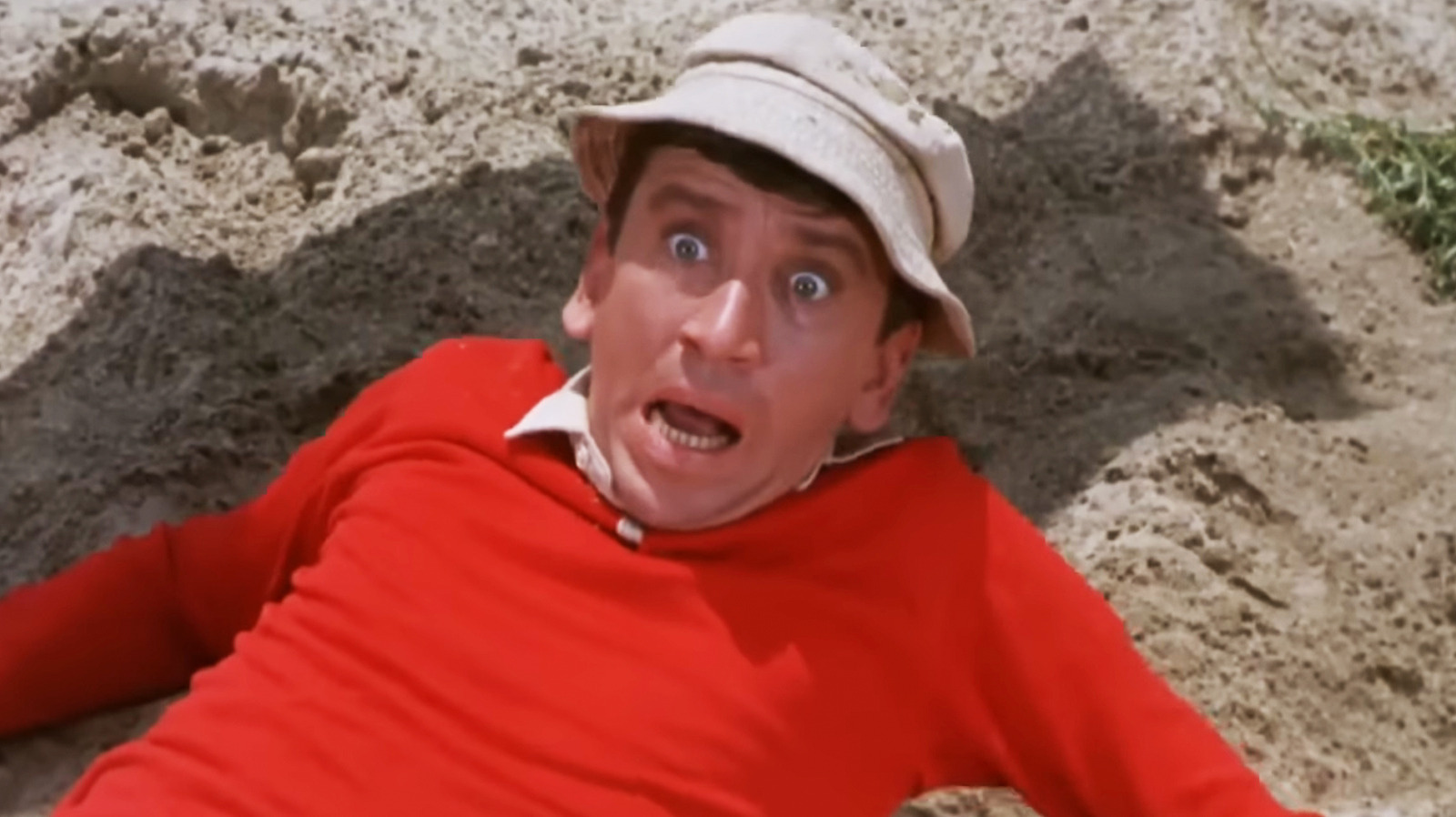
"Gilligan's Island" was famously sponsored by tobacco giant Philip Morris, promoting cigarettes alongside the beloved sitcom's episodes. This was a common practice in the mid-20th century when cigarette marketing was prevalent in pop culture. Despite the questionable sponsorship, Philip Morris executives played a role in preserving the show's original formula and preventing CBS from making creative changes.
The road to success for "Gilligan's Island" was not easy, with critics harshly reviewing the show's 1964 debut. Studio executives attempted to alter the pilot episode significantly, but creator Sherwood Schwartz's own cut ultimately saved the day. The show's sponsors, Procter & Gamble and Philip Morris, had significant influence behind the scenes, ensuring the show remained true to Schwartz's vision.
During the early 1960s, tobacco companies had a strong presence in television sponsorship, influencing the content of popular shows like "I Love Lucy" and "Gilligan's Island." Despite CBS considering creative changes to the show, the sponsors insisted on maintaining the original concept. The success of the sitcom's debut ratings led CBS to agree to keep the show as it was, thanks in part to the sponsors' intervention.
The close ties between Hollywood and tobacco companies persisted for decades, despite early studies linking smoking to health risks. However, in 1964, the US Surgeon General's report confirming the link between smoking and lung cancer marked a turning point. By 1970, President Richard Nixon signed a law banning cigarette advertising on radio and TV, signaling the end of widespread tobacco company sponsorship in the media.
In conclusion, "Gilligan's Island" faced challenges with its sponsorship and creative direction, but ultimately found success thanks to the efforts of its creator and the influence of its sponsors. The show's legacy is a reminder of the changing attitudes towards tobacco advertising in the entertainment industry and the impact of health concerns on popular culture.