Trump Administration's $700 Million Plan to Revive U.S. Coal Industry
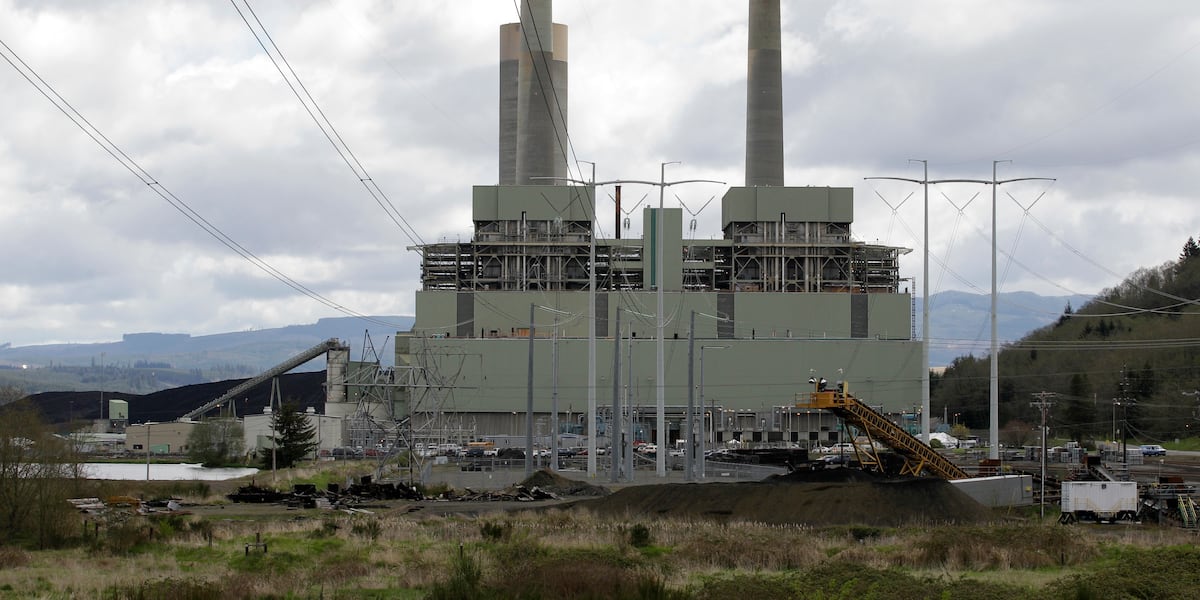
President Donald Trump has announced a plan to support the U.S. coal industry by allocating nearly $700 million to aid coal-fired power plants and coal exports. The administration will utilize a national defense law to back 13 coal plants nationwide and assist in constructing new coal plants in Alaska and West Virginia. This initiative includes restarting a closed coal-fired power plant in Maryland and backing the construction of a coal export terminal in Oakland, California. The White House estimates that over 14,000 jobs will be created or supported in coal, construction, rail, and maritime sectors.
During a White House ceremony, Trump emphasized the importance of coal as a robust energy source, stating that it is unmatched in terms of power. This move is part of the administration's efforts to reverse the decline of the U.S. coal industry, which has been facing challenges from environmental regulations, competition from natural gas, and renewable energy sources. The Energy Department has taken steps to extend the operation of coal-fired power plants in several states to meet the increasing demand for power driven by technological advancements.
Environmental groups have criticized the administration's focus on coal, arguing that it will lead to higher electricity costs and increased air pollution. They believe that retiring coal plants peacefully would be more beneficial for the environment and public health. Despite global coal demand reaching record levels in recent years, the U.S. coal industry has been struggling to expand into new markets due to abundant coal reserves worldwide.
Trump's push to revive coal exports on the West Coast has faced opposition, particularly in Oakland, where developers are seeking to build an export terminal. Concerns have been raised about the potential impact of coal transportation on public health, safety, and the environment. The administration's efforts to support coal generation aim to stabilize energy prices and address supply challenges, while also positioning the U.S. coal industry to meet global demand.
In conclusion, the administration's plan to bolster the U.S. coal industry through financial support for coal plants and exports reflects its commitment to revitalizing this sector. Despite challenges from environmental groups and global market dynamics, the administration sees coal as a vital component of the country's energy portfolio and aims to leverage its potential for economic growth and energy security.