Wildfire Smoke and Smog: A Growing Threat to Air Quality in the United States
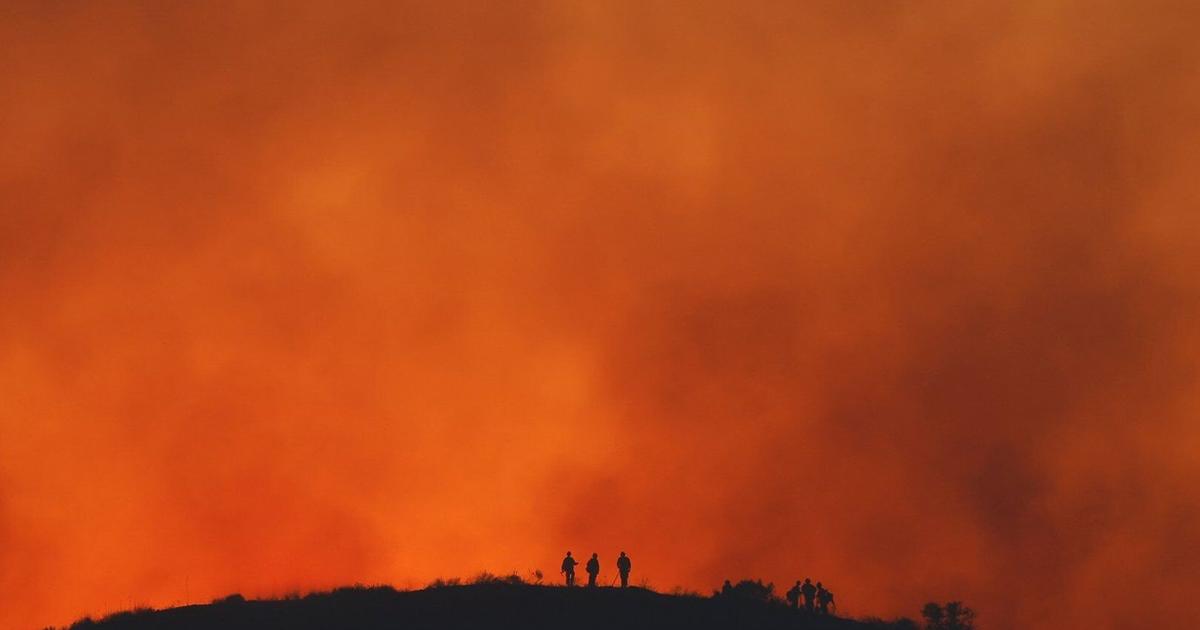
A recent study has revealed that the United States has experienced a reversal in its efforts to reduce national smog levels over the past decade. The increase in smoke from larger wildfires since 2015 has contributed to making the air quality worse and more hazardous. Climate change is cited as a significant factor in this concerning trend.
The study highlights that the progress made in reducing smog levels in the United States has been compromised by the impact of smoke from wildfires, leading to a deterioration in air quality. The findings underscore the need for effective measures to address the growing threat posed by wildfires and their contribution to air pollution.
Scientists emphasize that while climate change plays a significant role in exacerbating the issue of smog levels and air quality, it is not the sole factor responsible for the recent deterioration. The study underscores the complex interplay of various factors contributing to the worsening air quality in the United States.
Efforts to combat the negative impact of wildfires on air quality must be intensified to address the growing threat posed by deteriorating smog levels. The study serves as a wake-up call to the urgent need for proactive measures to mitigate the effects of wildfires and improve air quality for the well-being of the population.
In conclusion, the study sheds light on the concerning trend of worsening air quality in the United States due to the increase in smoke from wildfires. Climate change, along with other factors, has played a significant role in reversing the progress made in reducing national smog levels. Urgent action is needed to address this issue and safeguard the health and well-being of the population.