Green Grooves: The Push for Sustainable Vinyl Production in the Music Industry
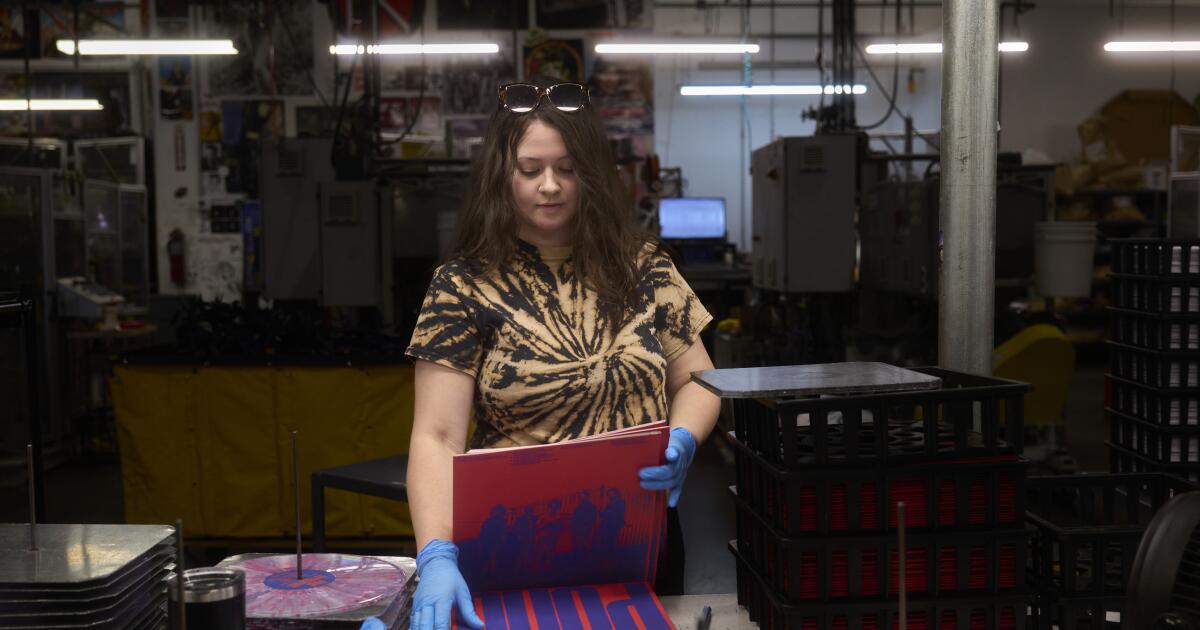
Vinyl records have seen a resurgence in popularity, outselling CDs for the first time since 1987. However, the production of modern vinyl records using PVC resin, a synthetic polymer made from fossil fuel-derived feedstock, has a significant environmental impact. A report by Vinyl Alliance revealed that 50% of a record's carbon emissions come from this resin, equivalent to the pollution emitted by a gas-powered vehicle over a three-mile trip. With 46.8 million new records sold in a year, the carbon footprint adds up quickly.
To address the environmental concerns associated with vinyl production, organizations like Music Declares Emergency and the Music Climate Pact initiative are collaborating with record labels and distribution teams to release titles pressed on 100% reclaimed material. This initiative aims to reduce the carbon footprint of vinyl records and promote sustainability in the music industry. The effort is supported by artists, customers, and industry professionals who are committed to minimizing their environmental impact.
Independent Record Pressing, a plant in New Jersey, is actively involved in producing records with recycled vinyl, known as "Revinyl." By using post-industrial, pre-consumer recycled materials, the plant has managed to reduce its emissions while increasing production. The goal is to make records more efficient and environmentally friendly, setting an example for other artists and labels to follow suit. The focus is on creating sustainable practices that benefit both the industry and the planet.
Sustainability efforts extend beyond the production of vinyl records to address issues like plastic pollution and waste management. Organizations like Beggars Group are exploring ways to make records more sustainable, considering factors like shrink wrap and paper sleeves. While challenges exist in sourcing high-quality, contamination-free materials for records, companies are actively seeking solutions to improve their environmental footprint. Initiatives like converting shipping operations to sea freight demonstrate a commitment to reducing emissions and promoting sustainability throughout the production process.
As the music industry continues to evolve, the push for sustainable practices in vinyl production remains a priority. By embracing recycled materials and exploring innovative solutions, companies are working towards a more environmentally friendly future for the music industry. While challenges persist, the commitment to reducing carbon emissions and promoting sustainability reflects a growing awareness of the importance of environmental stewardship in the music community.