David Bowie's Berlin Years: A Musical Revolution in 1977
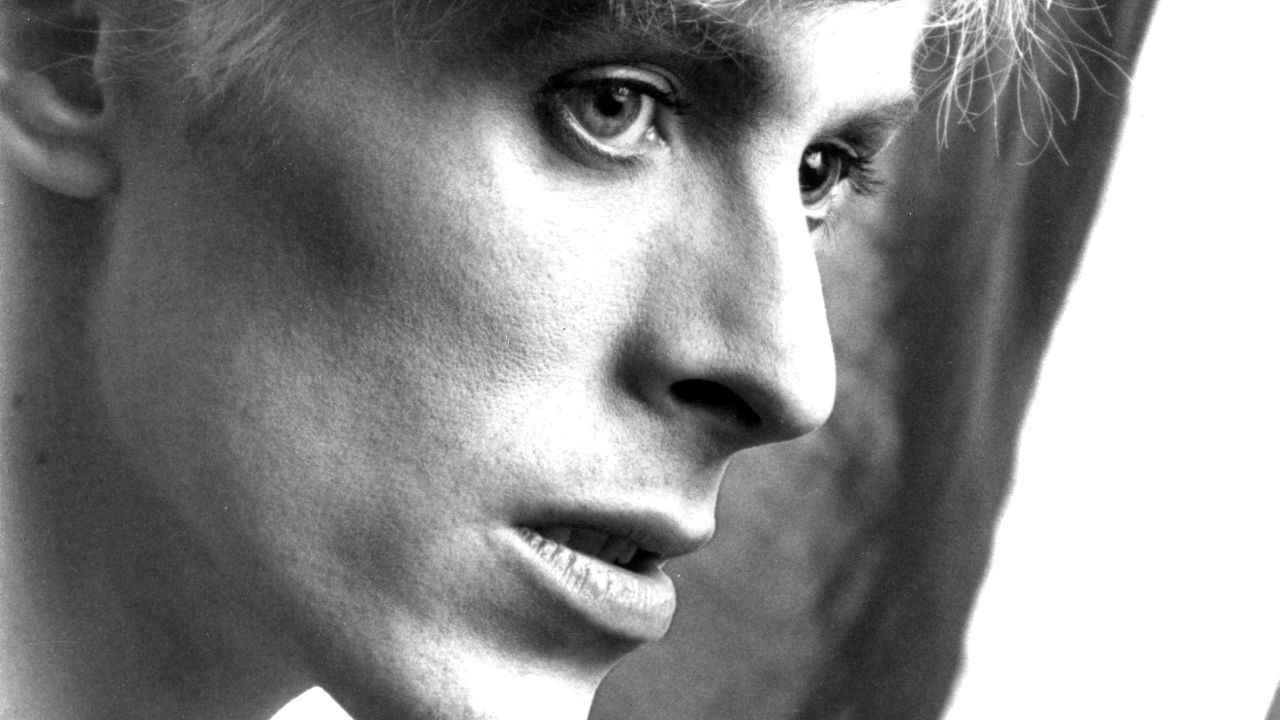
In 1977, David Bowie embarked on a transformative journey that led to the creation of four groundbreaking albums. Bowie, seeking normalcy and inspiration, found himself in West Berlin, a city divided by a wall and teeming with a mix of characters. The year 1977 was a time of excitement and change for many in Britain, with Bowie celebrating his 30th birthday and ending the year with a memorable appearance on American television.
During this period, Bowie collaborated with Tony Visconti and Brian Eno to produce the album "Low," which marked a departure from his previous personas and introduced a new sound that hinted at the future of music. The use of innovative technology, such as the Eventide H910 Harmonizer, contributed to the album's unique and experimental nature.
Bowie's involvement in Iggy Pop's album "The Idiot" further showcased his creative prowess, with songs like "Sister Midnight" and "Nightclubbing" capturing a blend of darkness and allure. The collaboration between Bowie and Iggy resulted in a European masterpiece that pushed the boundaries of rock music.
Throughout 1977, Bowie's musical journey continued as he toured with Iggy Pop and reunited with his friend Marc Bolan. The year culminated in the release of the albums "Lust For Life" and "Heroes," the latter featuring iconic tracks like the title song. Bowie's relentless pursuit of experimentation and artistic expression defined his work during this prolific period.
As 1977 drew to a close, Bowie reflected on the whirlwind of creativity and personal growth that had defined the year. From overcoming struggles with addiction to embracing new musical directions, Bowie's journey in 1977 laid the foundation for his enduring legacy in the music industry. The year was a testament to Bowie's ability to reinvent himself and push the boundaries of artistic expression, leaving an indelible mark on popular music.