Harmonies on Screen: Exploring the Intersection of Music and Cinema
Exploring the intersection of music and cinema has been a fascination for filmmakers since the advent of synchronized sound in the 1920s. Music offers a rich tapestry for storytelling, serving as an art form, a medium for connection, and a mode of expression. While some may dismiss music movies as mere musicals, it's important to distinguish between musical movies and movie musicals.
In movie musicals, characters express their emotions through song, transcending dialogue to create a fantastical narrative. Films like La La Land showcase this transformation, where characters turn their disdain into a theatrical tap duet. On the other hand, musical movies center their narrative around music as a subject, incorporating songs and performances that naturally arise within the story.
From music mockumentaries like Popstar: Never Stop Never Stopping to character-driven films like Whiplash and Sound of Metal, music movies offer a diverse range of storytelling possibilities. These films often serve as the inspiration for full-blown stage musical adaptations, bridging the gap between cinema and theater.
Filmmaker John Carney has a keen interest in exploring how musicians communicate through music. His film Once, which premiered at the 2007 Sundance Film Festival, tells the story of a blossoming romance between a street musician and a Czech immigrant. The intimate soundtrack, featuring the Academy Award-winning song "Falling Slowly," captures the essence of their shared musical aspirations.
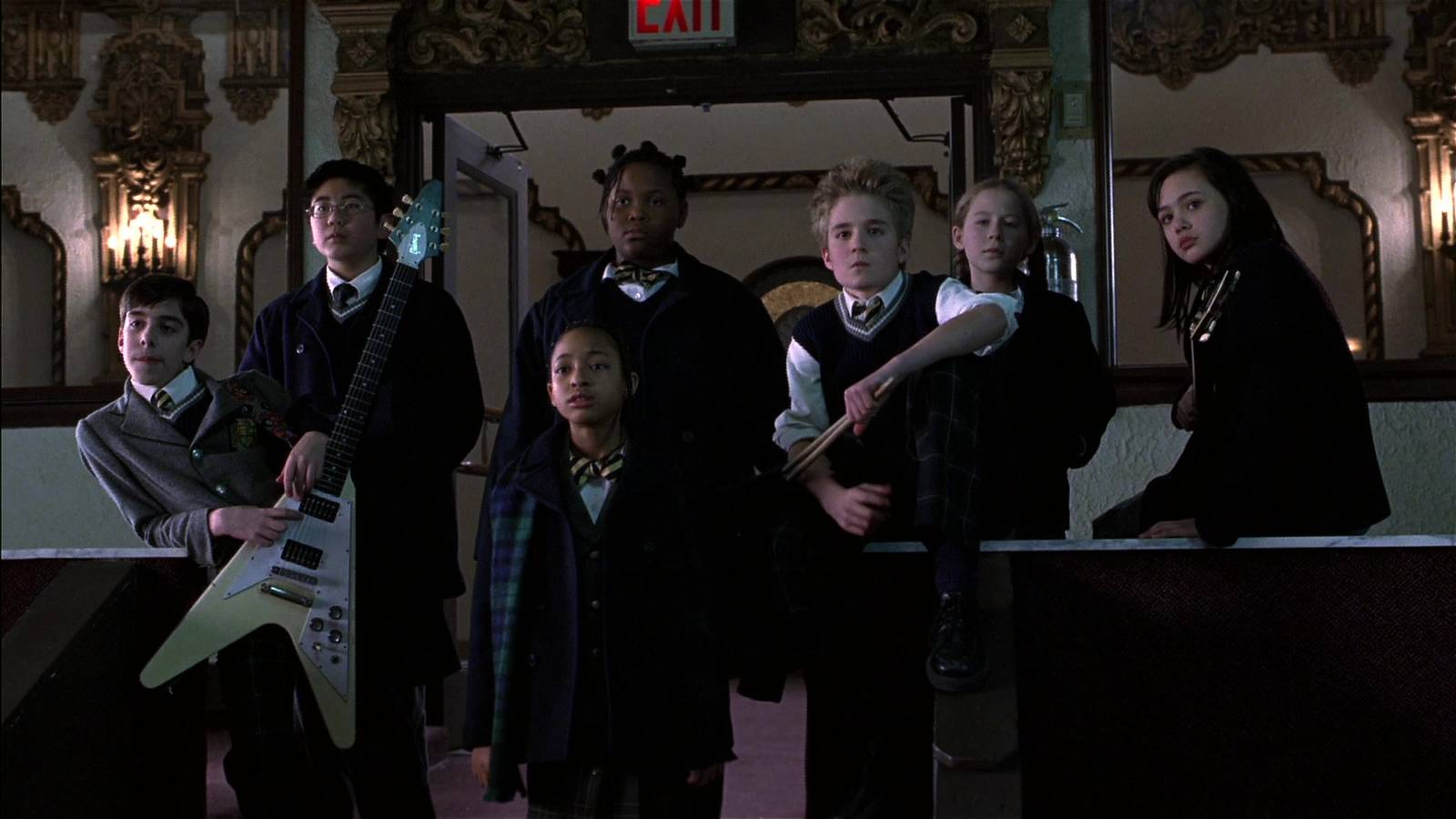
Almost Famous, directed by Cameron Crowe, offers a nostalgic look at the 1970s music scene through the eyes of a young journalist. The film's soundtrack, featuring iconic artists like The Who and Led Zeppelin, sets the backdrop for a coming-of-age story that celebrates the magic of music. Similarly, School of Rock pays homage to rock music, following a struggling musician who rediscovers his passion for music while teaching a group of students about the genre.
John Carney's Sing Street takes a departure from his earlier works, delving into the world of a love-struck teenager in 1980s Dublin. The film's original tracks, performed by the actors, add depth to the narrative, capturing the protagonist's emotional journey through music. Despite some historical inaccuracies, Sing Street leaves audiences with a sense of joy and nostalgia.
CODA, directed by Siân Heder, follows a teenage girl torn between her passion for singing and her family responsibilities as the only hearing member in a deaf family. The film's heartfelt exploration of music as a universal language resonates with audiences, culminating in a moving Academy Award-winning performance.
Tom Hanks' directorial debut, That Thing You Do!, offers a rose-colored tribute to the 1960s music scene, following the rise of a fictional band, The Wonders. The film's infectious title track, written by musician Adam Schlesinger, captures the essence of the era, earning praise as one of the best "fake" songs in film history.
Inside Llewyn Davis, directed by the Coen Brothers, follows a folksinger on a melancholic journey to find success in the 1960s music scene. The film's acoustic soundtrack, featuring Oscar Isaac's soulful vocals, sets the tone for a bittersweet exploration of artistic creation and personal sacrifice.
This Is Spinal Tap, a groundbreaking mockumentary directed by Rob Reiner, satirizes the excesses of the 1980s rock scene through the fictional band Spinal Tap. The film's clever original songs and outrageous stage antics blur the line between reality and parody, propelling the band to real-life rock stardom.
Velvet Goldmine, directed by Todd Haynes, immerses viewers in the surreal world of glam rock through a journalist's investigation into the disappearance of a fictional rock icon. The film's eclectic soundtrack, featuring '90s rock artists and covers of '70s hits, captures the essence of the glam rock era, creating a mesmerizing collage of musical performances.
From intimate romances to larger-than-life rock epics, music movies offer a diverse array of storytelling possibilities that celebrate the transformative power of music. Whether exploring the nuances of musical creation or paying homage to iconic artists, these films invite audiences to experience the magic of music on the big screen.