Unveiling the Forgotten Epic: The Legacy of James Cruze's "The Covered Wagon
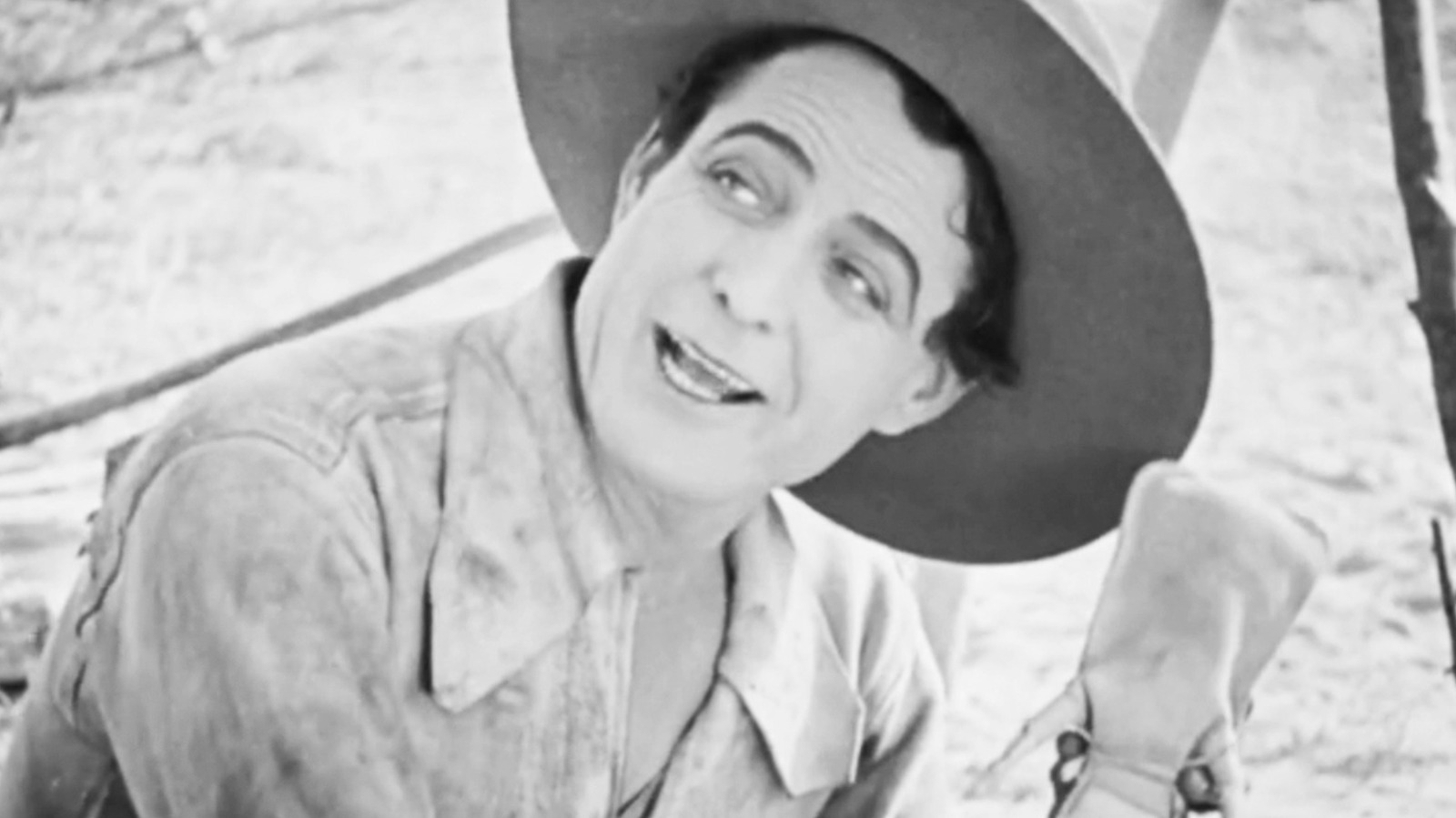
When considering classic Western films, names like John Ford's "Stagecoach" or Raoul Walsh's "The Big Trail" may come to mind. However, the genre has a rich history that predates these 1930s successes. One influential film from the silent era that often goes unnoticed is James Cruze's 1923 silent epic "The Covered Wagon." Despite its significance, it is not always given the credit it deserves as one of the greatest Westerns of all time.
"The Covered Wagon" is recognized as the first Western epic and was a major success upon its release. Produced by Paramount for nearly $800,000, it became the most lavish Western epic of its time. The film's box office earnings of $3.5 million made it the second-highest grossing film of the year, showcasing its impact on the Western genre and the film industry as a whole.
Directed by James Cruze and based on Emerson Hough's novel, the film follows a group of pioneers embarking on a challenging journey from Kansas to Oregon. Along the way, they face various obstacles, including extreme weather conditions, attacks by Indigenous Americans, and other dangers. The film's depiction of these challenges on an epic scale set a new standard for Western storytelling.
The narrative of "The Covered Wagon" revolves around a love triangle involving the characters Jesse Wingate, Molly Wingate, and Sam Woodhull. The film's cast, including notable actors like Alan Hale, Ernest Torrence, and Tully Marshall, brought depth and authenticity to their frontier roles, captivating audiences with their performances.
Critics and historians have hailed "The Covered Wagon" as a milestone in Western cinema history. Its quasi-documentary style and use of authentic Conestoga wagons added a sense of realism to the film, immersing viewers in the frontier experience. Cinematographer Karl Brown's work captured the vast landscapes and action sequences, setting a precedent for future Western films.
The success of "The Covered Wagon" paved the way for the evolution of the Western genre, influencing filmmakers like John Ford and shaping the direction of Western storytelling. Subsequent films, such as "The Iron Horse" and "Stagecoach," expanded on the action and narrative elements introduced in Cruze's epic, demonstrating the lasting impact of "The Covered Wagon" on Western cinema.
In conclusion, "The Covered Wagon" may not always receive the recognition it deserves, but its legacy as a groundbreaking Western epic remains undeniable. From its epic scale and immersive storytelling to its influence on future Western films, James Cruze's silent masterpiece continues to be a significant chapter in the history of the Western genre.