Repair Cafe: Fostering Community, Sustainability, and Connection in New Paltz
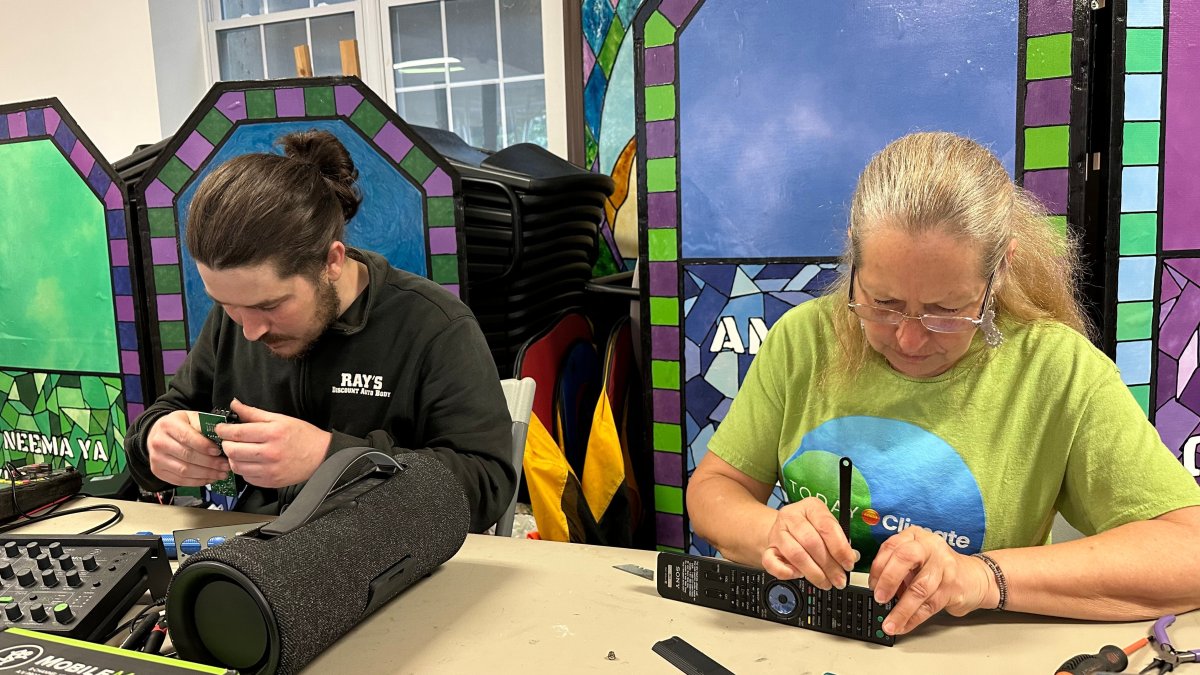
On a rainy Saturday morning, the basement of the New Paltz United Methodist Church was bustling with activity as volunteers gathered to help repair various household items. Repair Cafes, a global movement promoting the repair of goods instead of buying new ones, aim to foster a sense of community and sustainability. With rising consumer prices and a push towards anticonsumerism, Repair Cafe has grown into a global nonprofit with thousands of cafes worldwide.
In New Paltz, volunteers worked on fixing items ranging from old lamps to clothing and jewelry. The Repair Cafe provided a platform for people to learn how to repair their belongings and extend their lifespan. The event not only focused on the monetary or sentimental value of items but also emphasized the importance of building relationships and working together.
Experts at the Repair Cafe repaired 71 items, with a few needing additional work and some deemed beyond repair. Volunteers like contractor Patrick L. Murphy found joy in fixing things and connecting with others. The Buy Nothing Project, "right to repair" legislation, and tool libraries are also part of the movement towards repairing, trading, and giving instead of buying and selling.
The Buy Nothing Project, founded in Washington state, has grown into a global network connecting people who want to give away items with those who need them. Founder Liesl Clark highlighted the shift towards community-based material culture and the project's impact on corporate behavior. The movement aims to change consumption patterns and promote a culture of sharing and repairing.
In today's society, the ability to repair household items has diminished, leading to a culture of disposability. Peter Counter, an engineer studying Repair Cafes, emphasized the importance of passing down repair skills and the financial viability of community repair efforts. The "right to repair" movement advocates for empowering consumers to repair their own products and access tools and instructions from manufacturers.
At the Repair Cafe in New Paltz, volunteers like Bob Morton, an 82-year-old former engineer, helped repair items like a 1930s-era clock for Paula Weinstein. The sense of accomplishment and community spirit was evident as Weinstein's clock started working again. The event showcased the value of repairing and restoring older items, fostering a sense of connection and sustainability.
In conclusion, Repair Cafes and initiatives like the Buy Nothing Project and tool libraries are part of a growing movement towards repairing, sharing, and sustainability. These efforts not only promote a culture of repair and reuse but also foster community connections and empower individuals to take control of their consumption habits. Through events like the Repair Cafe in New Paltz, people can learn valuable repair skills, extend the lifespan of their belongings, and contribute to a more sustainable future.