The Beatles' 'White Album': A Reflection on George Harrison's Reservations and the Band's Musical Legacy
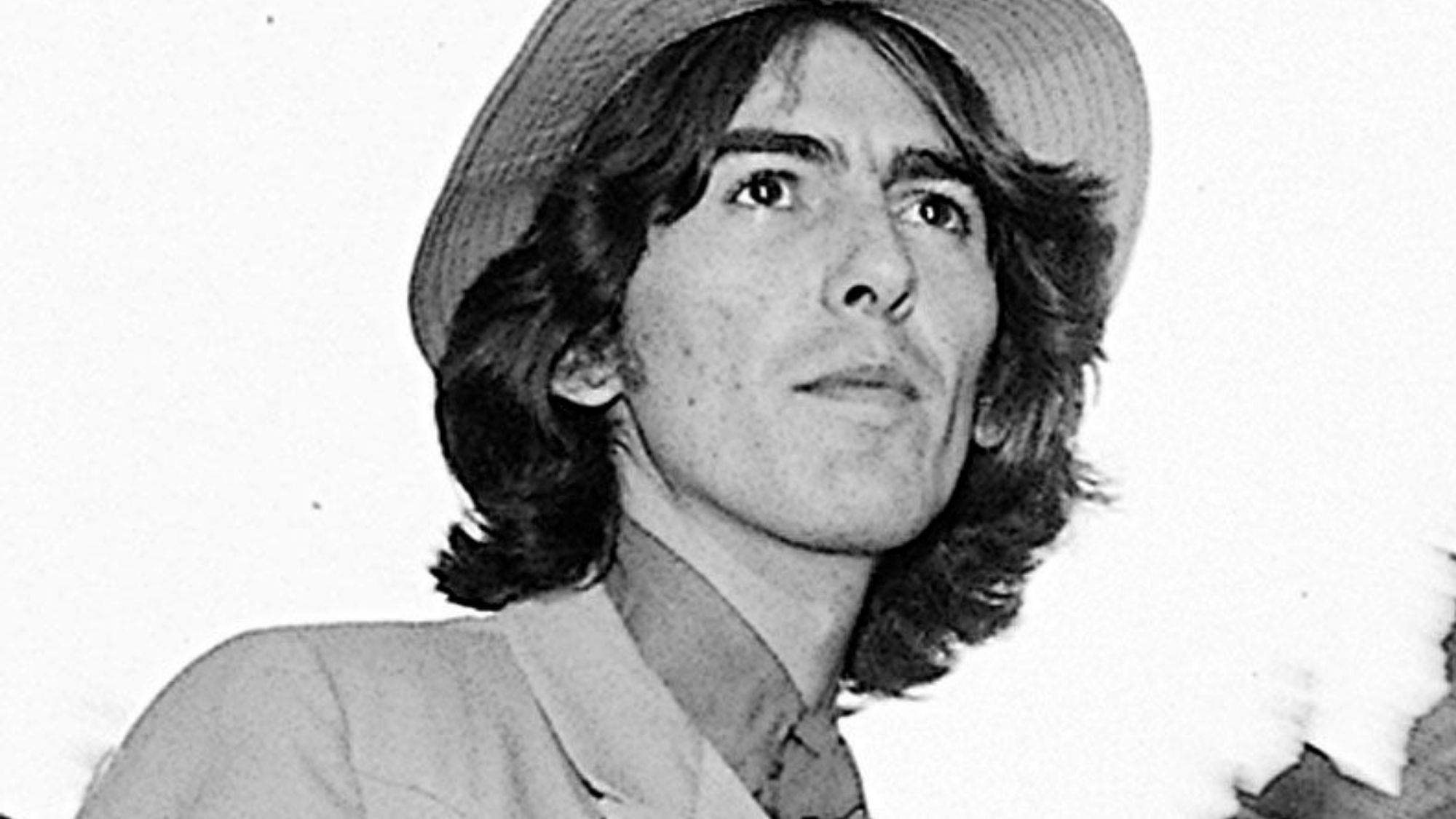
The Beatles' iconic self-titled album, commonly known as the "White Album," has garnered a strong following over the years, with standout tracks like "Blackbird," "Helter Skelter," and "While My Guitar Gently Weeps." Despite its popularity, George Harrison once expressed reservations about the album, suggesting that it may have been a misstep. Nevertheless, the album's impact on The Beatles' legacy remained significant in 1968.
The "White Album" stands out in The Beatles' discography as their only double album, boasting a diverse range of music across its four sides. From catchy hits such as "Back In The U.S.S.R." and "Ob-La-Di, Ob-La-Da" to experimental tracks like "Revolution 9" and "Why Don't We Do It In The Road?", the album showcased the band's versatility and creativity.
Reflecting on the album's extensive tracklist, George Harrison admitted that the decision to include four sides may have been a misstep, suggesting that a more concise selection of around fourteen songs could have been more effective. While he refrained from naming specific favorites, notable tracks like "While My Guitar Gently Weeps," "Helter Skelter," and "Dear Prudence" likely stood out to him.
Despite his reservations, Harrison acknowledged the album's diversity as a positive aspect, noting that the eclectic mix of songs, including the unconventional "Revolution 9," added depth and variety to the overall listening experience. While he personally found the album weighty and preferred to listen to only side one, he recognized the value of exploring the different musical styles and themes present throughout the album.
In hindsight, George Harrison's reflections on The Beatles' "White Album" shed light on the band's creative process and the challenges of balancing experimentation with accessibility in their music. Despite his reservations, the album remains a testament to The Beatles' enduring legacy and musical innovation.