Exploring the Influence of The Byrds' 'Mr. Tambourine Man' on Folk Rock Music
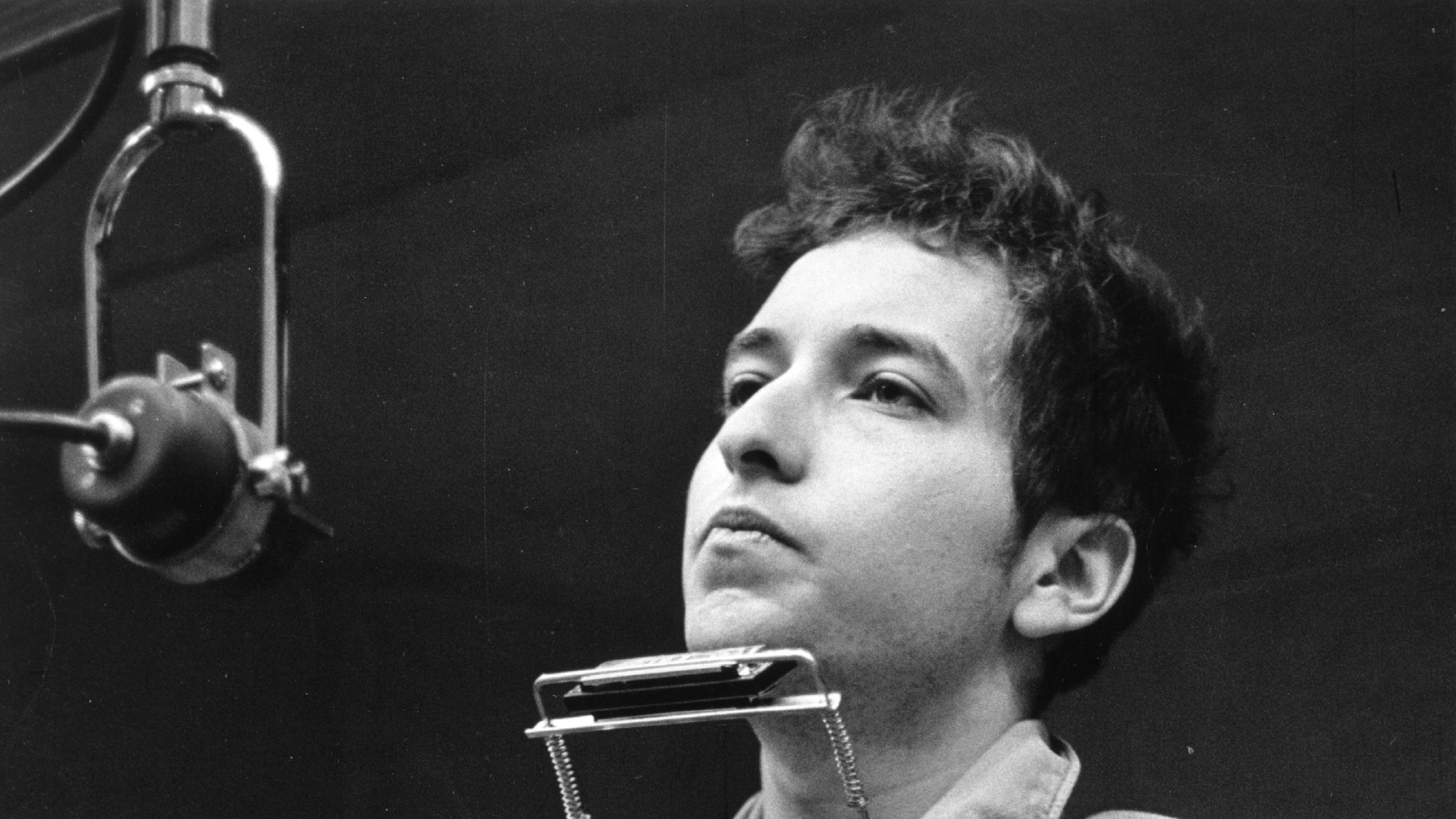
On June 9, 1964, Bob Dylan was in the Columbia Records studios in New York recording sessions for his album Another Side of Bob Dylan. During these sessions, he recorded over a dozen songs, including "Mr. Tambourine Man." The Byrds later released their version of the song as their debut single, which reached No. 1 and influenced many musicians to explore a mix of rock and folk music.
Dylan's initial recording of "Mr. Tambourine Man" featured Ramblin' Jack Elliott on harmony vocals, but due to Elliott singing out of tune, Dylan decided to scrap the recording. He later re-recorded the song in January 1965 during the Bringing It All Back Home sessions.
The Byrds released "Mr. Tambourine Man" as the lead single from their debut album in April 1965, shortly after Dylan's original release. The song topped the Hot 100 chart for a week in late June of the same year.
Although Dylan did not use his original recording of "Mr. Tambourine Man, the Byrds' manager, Jim Dickson, obtained the acetate disc from Dylan's publisher and introduced it to the band. Initially, the group was not impressed, but Roger McGuinn saw potential in the song and made key changes to the arrangement, leading to the band's successful rendition.
The Byrds' version of "Mr. Tambourine Man" became a chart-topping hit in both the US and the UK during the British Invasion, marking Dylan's first song to reach No. 1 on a pop-oriented chart. The success of the song also contributed to the rise of folk rock in the mid-1960s.
While other songs like The Animals' "House of the Rising Sun" had blended folk and rock elements earlier, the Byrds' precise balance of the two genres in their debut single set them apart. Their success sparked a wave of folk rock bands in the Los Angeles music scene, with groups like the Turtles, the Leaves, and the Lovin' Spoonful following suit with similar musical styles.
In conclusion, the Byrds' rendition of Bob Dylan's "Mr. Tambourine Man" not only achieved chart-topping success but also played a significant role in popularizing the folk rock genre and inspiring a new wave of musicians to explore the fusion of folk and rock music.