Unveiling David Bowie's Overlooked Debut Album: A Journey into the Artist's Early Exploration
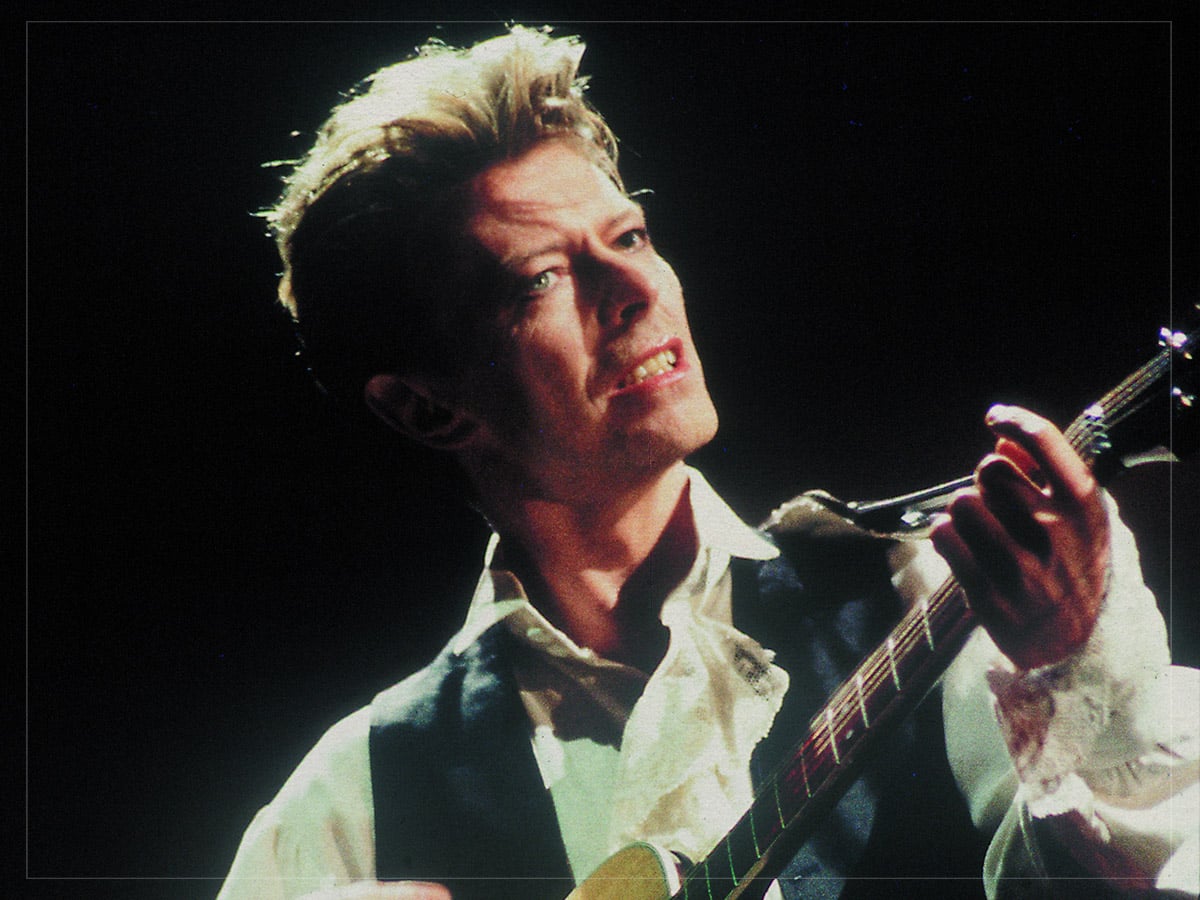
David Bowie is a legendary figure in the history of rock and roll, known for his fearless experimentation and iconic contributions to the music industry. Despite his immense impact on the genre, Bowie's early career often overlooks his proper debut album. While many discussions of Bowie's beginnings focus on his later work like "Space Oddity," his initial album deserves recognition for showcasing a different side of the artist.
Bowie's proper debut album presents a unique listening experience, especially when viewed in the context of his later discography. The album features a mix of vaudeville-inspired songs that may seem unexpected from the artist known for pushing musical boundaries. Tracks like "Rubber Band" and "Love You Til Tuesday" offer a glimpse into Bowie's early exploration of pop rock, setting the stage for his future evolution as an artist.
Released on the same day as The Beatles' iconic "Sgt. Pepper's Lonely Hearts Club Band," Bowie's debut album faced stiff competition in the changing musical landscape of the late 1960s. The album's reception may have influenced Bowie's decision to pivot towards a more innovative and experimental sound, as seen in later works like "Space Oddity."
Despite its unconventional nature, Bowie's debut album contains hints of his future brilliance. Tracks like "Memory of a Free Festival" and "Cygnet Committee" showcase Bowie's potential for creating unorthodox and thought-provoking music. The album's closing track, "Please Mr Gravedigger," stands out for its eerie spoken word elements, hinting at Bowie's willingness to push boundaries and explore new artistic territories.
While Bowie's proper debut may not be as groundbreaking as his later work, it serves as a testament to his early ambition and creativity. The album may not have achieved the same level of success as his later releases, but it highlights Bowie's determination to challenge conventions and create music that defies expectations. Listening to this album offers a glimpse into the formative years of an artist who would go on to shape the future of rock and roll.
In conclusion, David Bowie's proper debut album may not receive the same recognition as his later masterpieces, but it remains a significant chapter in the artist's evolution. Despite its departure from his signature sound, the album showcases Bowie's early experimentation and willingness to push boundaries. Exploring this lesser-known aspect of Bowie's career provides valuable insights into the artist's creative journey and sets the stage for his groundbreaking contributions to the music industry.