Advancing Transportation Safety: Congressional Perspectives on Safety Technologies and Regulations
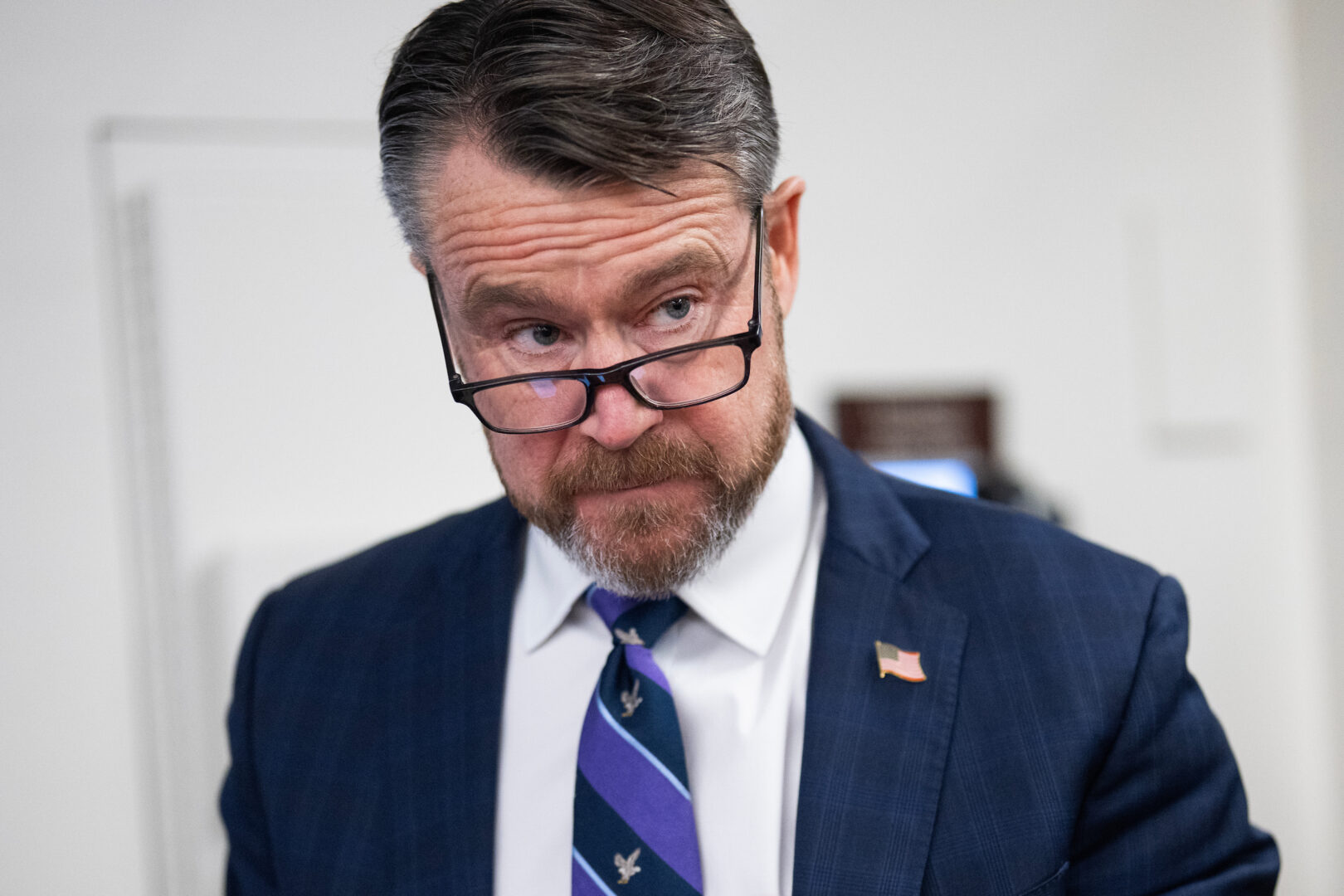
The transportation sector is witnessing significant advancements in safety technologies, prompting Congress to address the legislative implications of these innovations. A recent subcommittee hearing of the Senate Commerce, Science, and Transportation Committee focused on the integration of safety technology in vehicles, rail, and aviation. Senator Todd Young highlighted the transformative impact of technologies like autonomous vehicles, train inspection portals, and V2X technology on transportation safety, emphasizing the need for regulatory flexibility and private sector certainty to foster innovation.
The hearing featured testimonies from industry leaders, including the Association of American Railroads president, American Trucking Associations president, and representatives from other organizations. The witnesses emphasized the importance of congressional action to regulate emerging technologies while prioritizing safety. The discussion took place in the context of ongoing work on a five-year surface transportation reauthorization measure, which includes safety provisions for motor vehicles and rail carriers.
The House Transportation and Infrastructure Committee recently approved a highway bill with bipartisan support, although debates arose over a rail safety amendment proposed by Representative Troy Nehls. The amendment, inspired by Vice President JD Vance's previous legislation, aimed to enhance safety measures for freight rail carriers. Despite opposition from some lawmakers, the amendment was adopted, underscoring the importance of safety regulations in the transportation industry.
The Senate subcommittee hearing also addressed the potential impact of safety requirements, such as two-person train crews, on energy transportation. Industry representatives expressed concerns about implementing regulations without clear evidence of improved safety outcomes. The discussion highlighted the need for evidence-based decision-making in shaping transportation safety policies.
Looking ahead, Senate committees are actively working on a surface transportation bill that may include provisions related to autonomous vehicles. Lawmakers are considering a national framework for regulating autonomous passenger vehicles to streamline existing state laws. The potential of autonomous vehicles to enhance road safety and prevent accidents, such as those caused by drunk driving, has garnered bipartisan support in Congress.
Senator Ben Ray Luján emphasized the life-saving potential of advanced vehicle technologies, drawing from his personal experience of surviving a drunk driving accident. He advocated for the integration of safety features like "kill-switch" technology to prevent impaired driving incidents. However, debates surrounding privacy concerns and technology mandates continue to shape discussions on enhancing transportation safety.
In conclusion, the intersection of technology and safety in the transportation sector presents both opportunities and challenges for policymakers. As Congress navigates the regulatory landscape for emerging safety technologies, a balanced approach that prioritizes innovation while ensuring public safety remains paramount. The ongoing dialogue among lawmakers, industry stakeholders, and safety advocates underscores the collective commitment to advancing transportation safety in the digital age.