Decoding the Offside Rule: A Guide to Understanding Soccer's Most Controversial Call
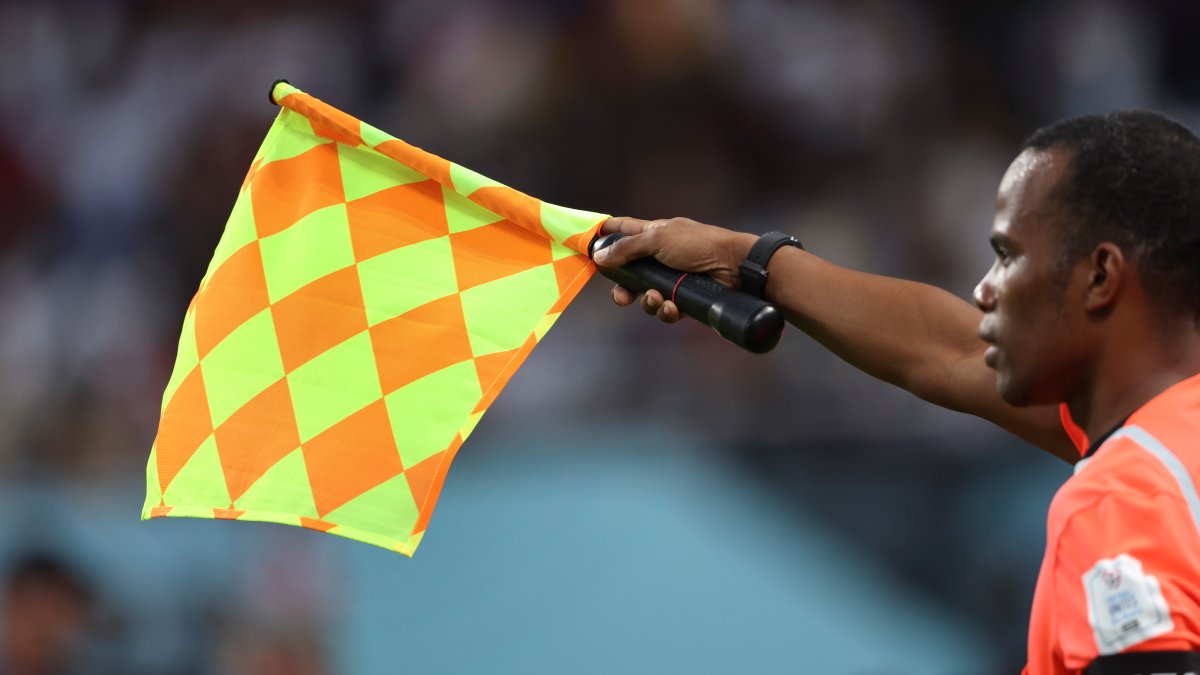
The highly anticipated World Cup soccer tournament is back, bringing with it the infamous offside rule that has sparked numerous controversies in the sport. Offside calls have led to heated debates among fans and even resulted in referees facing backlash for their decisions. The rule has evolved over the years, but it remains a challenge for many casual viewers to grasp fully.
In soccer, the offside rule prohibits players from positioning themselves near the opponent's goal without the ball while fewer than two defenders, including the goalkeeper, are between them and the goal. Exceptions to the offside rule include situations where a player receives the ball directly from a goal kick, throw-in, or corner kick. According to FIFA regulations, a player is deemed offside at the moment the ball is played to them by a teammate, requiring them to be behind the last defender entirely.
When a player is found to be offside, the referee awards an indirect free kick at the location of the offense. However, the ball must be passed to another player before a goal can be scored. Despite efforts to improve officiating, such as the use of semi-automated offside technology in the 2022 World Cup, controversial offside decisions can still occur, leading to emotional reactions from fans in the stands.
To avoid being caught offside, players must ensure that there is always a defender ahead of them on the field. By staying mindful of their positioning relative to the defenders, players can prevent being penalized for offside violations. The offside rule serves to prevent offensive players from gaining an unfair advantage near the opponent's goal, similar to the concept of "cherry-picking" in basketball, where a player transitions to offense before the defensive possession concludes.
In conclusion, the offside rule remains a crucial aspect of soccer that adds complexity and strategic depth to the game. While it may lead to contentious moments and debates, understanding and adhering to the offside rule is essential for players and fans alike to appreciate the sport's nuances and fair play principles.