Preserving History: The Jackson House at The Henry Ford Museum
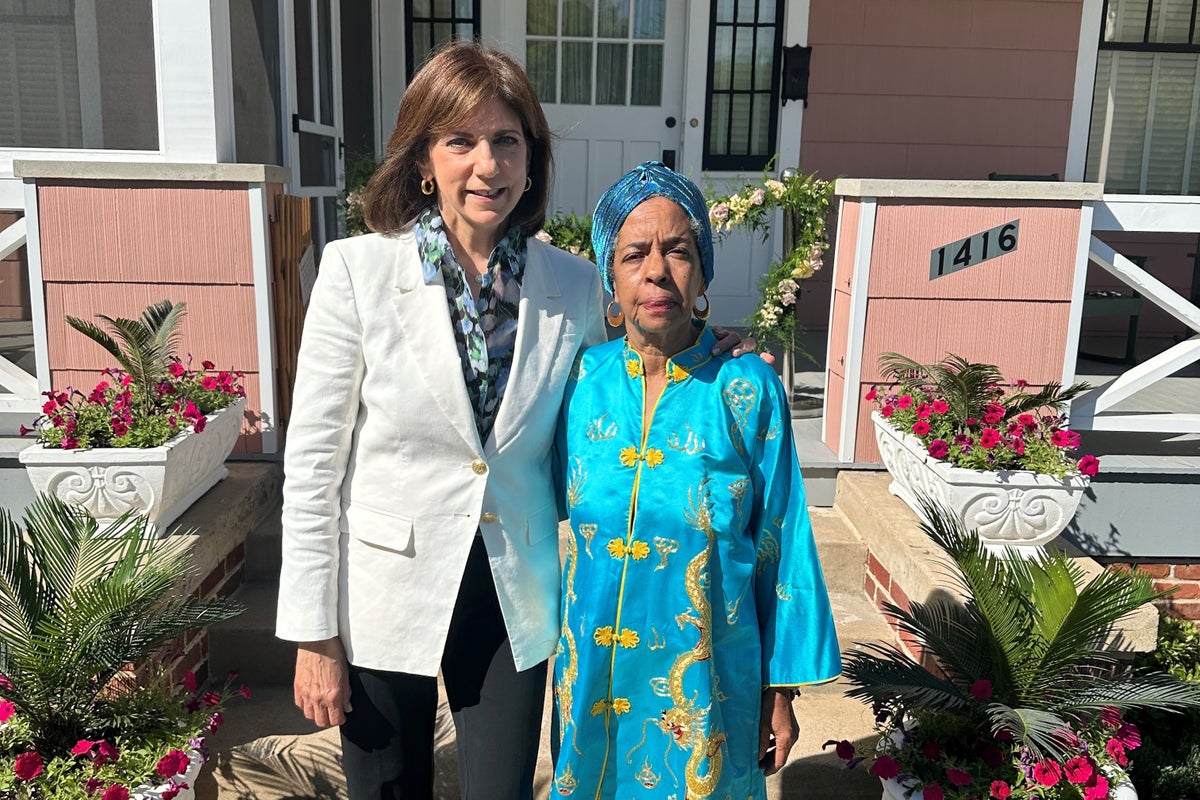
A historic home where Rev. Martin Luther King Jr. and other Civil Rights leaders strategized during the movement in the Deep South has been reconstructed at a Michigan museum. The Jackson House, originally located in Selma, Alabama, was opened to the public at The Henry Ford Museum in Dearborn. The house is part of the museum's Greenfield Village, showcasing over 80 historic structures.
The Jackson House, owned by dentist Sullivan Jackson and his wife Richie Jean, was a pivotal location where discussions about the Selma-to-Montgomery marches took place in 1965. The house played a significant role in the Civil Rights Movement, with King present when President Lyndon Johnson announced the Voting Rights Act of 1965. Jawana Jackson, the daughter of the original owners, initiated the preservation of the home's legacy, leading to its acquisition by the museum in 2023.
The reconstruction of the Jackson House involved dismantling it in Alabama and transporting it over 800 miles to Michigan. Original artifacts, including the chair King sat in during Johnson's announcement, were carefully preserved and displayed in the exhibit. The house, built in 1912, also served as a guesthouse for prominent Black figures like W.E.B. Du Bois and Booker T. Washington, hosting discussions on various topics.
Jawana Jackson, who was a child during the Civil Rights era and refers to King as "Uncle Martin," emphasized the ongoing relevance of the fight for voting rights. With recent challenges to voting protections, including Supreme Court decisions, Jackson highlighted the continued importance of safeguarding democracy. The Jackson House stands as a symbol of courage, justice, and equality, embodying the spirit of the Civil Rights Movement.
In conclusion, the Jackson House at The Henry Ford Museum serves as a powerful reminder of the sacrifices made and the progress achieved in the pursuit of civil rights. By preserving this historic home and its legacy, the museum honors the legacy of those who fought for equality and justice, inspiring future generations to continue the struggle for a more inclusive society.