Unveiling the Controversial History of The Rolling Stones' Iconic Song "Brown Sugar
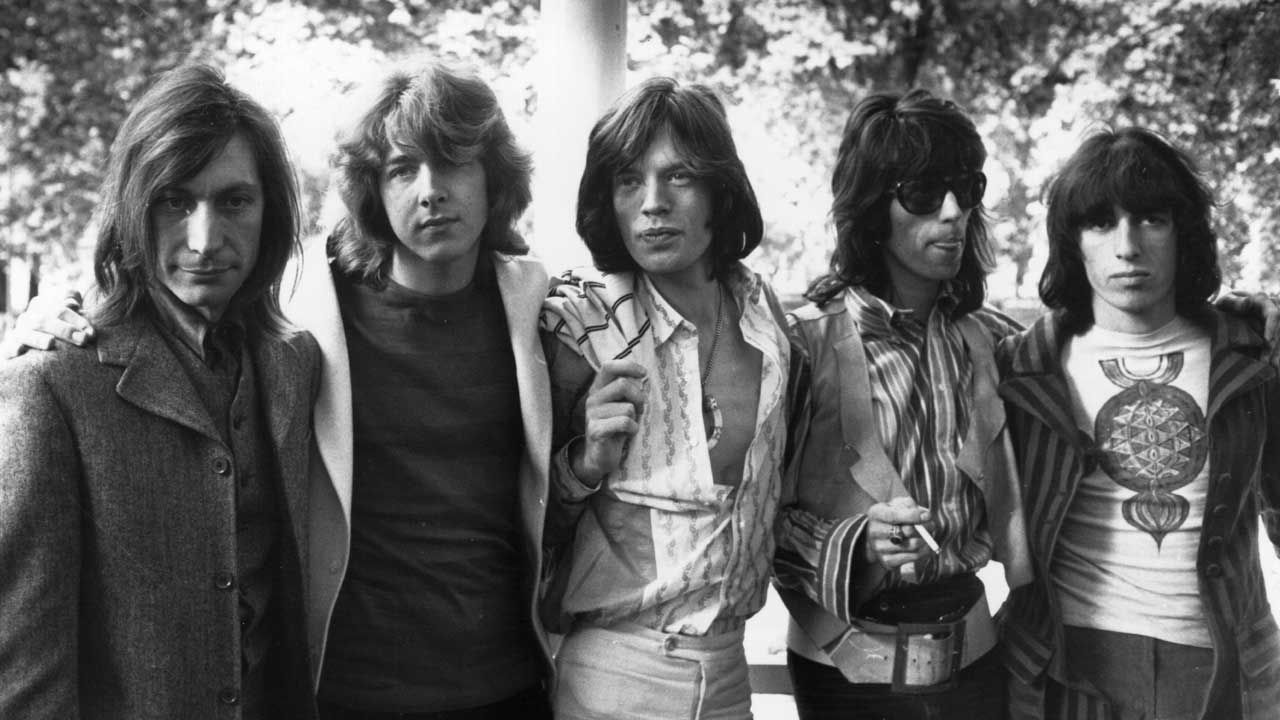
The Rolling Stones' iconic song "Brown Sugar" has a controversial history, with its origins in the Australian outback and a rare riff from Mick Jagger. The song marked a departure from the band's earlier pop sound, embracing a more straightforward rock and roll style. Jagger's lyrics, inspired by heroin, slavery, and cunnilingus, have been a subject of debate and speculation.
The creation of "Brown Sugar" involved Jagger sketching out the song during the filming of Ned Kelly, with Keith Richards acknowledging Jagger's contribution to the iconic riff. The song's ambiguous and provocative lyrics have led to various interpretations, with conflicting claims from individuals who believe they were the inspiration for the song.
Recorded in Muscle Shoals Sound in Alabama, the band captured the essence of the song in a three-day session, with Jagger swiftly writing the lyrics. The recording process was characterized by Jagger's dynamic approach to laying down the vocals and the band's commitment to capturing the perfect take.
Upon its release in 1971, "Brown Sugar" became a chart-topping hit in the US and Canada, solidifying its place as one of the Stones' most beloved singles. Despite its success, the song has faced criticism for its controversial lyrical content, leading the band to omit it from their live performances in recent years.
The enduring legacy of "Brown Sugar" lies in its unforgettable riff and Jagger's captivating vocal delivery, making it a standout track in the Rolling Stones' discography. Despite the controversy surrounding its lyrics, the song continues to be celebrated for its musical prowess and Jagger's charismatic performance.