Navigating the Whey Protein Shortage: Challenges and Solutions in Meeting Consumer Demand
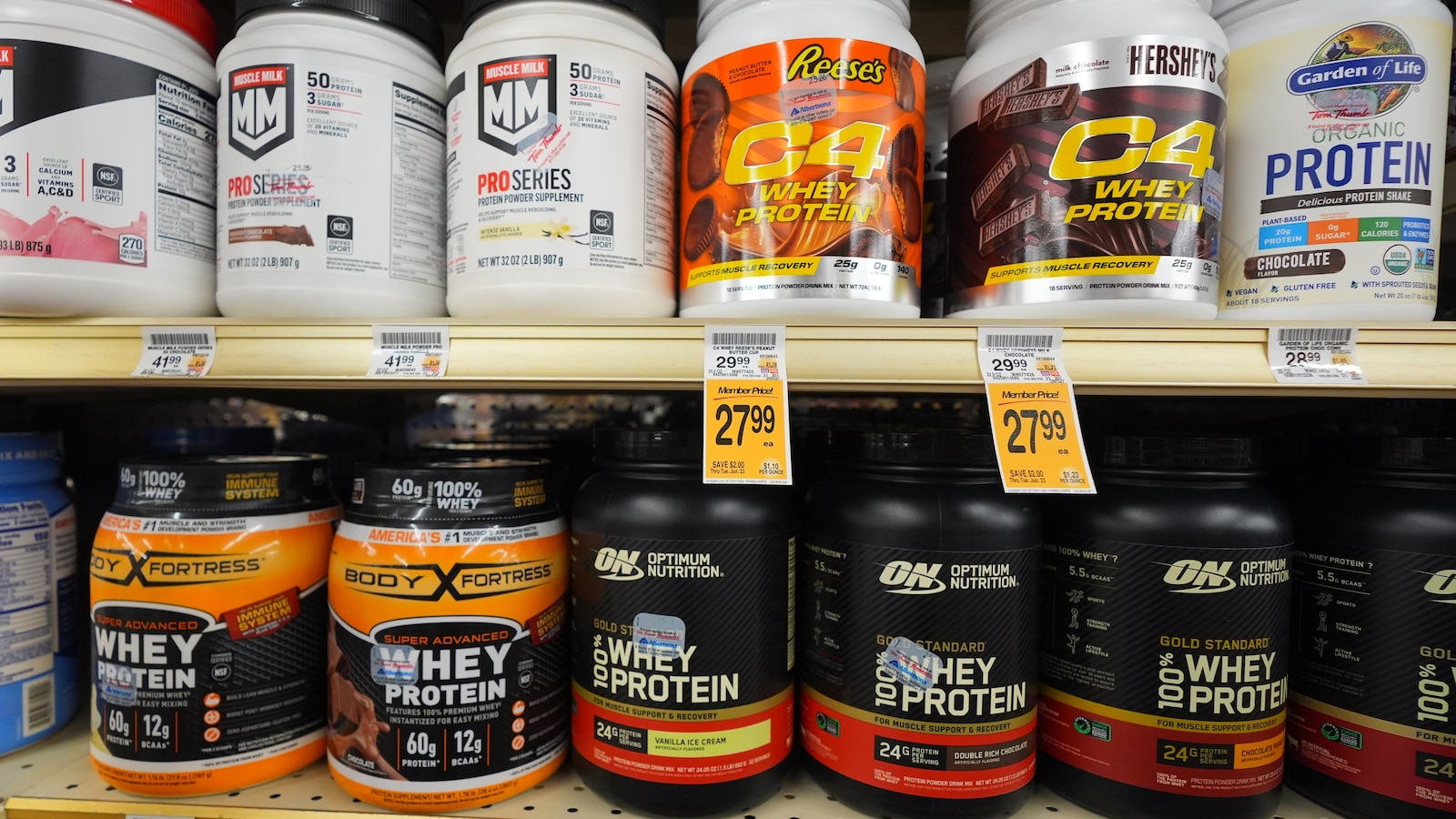
Consumers worldwide are increasingly seeking products with higher protein content, but the dairy industry is facing challenges in meeting this demand. Whey protein concentrate, a popular ingredient derived from cheese-making, is being incorporated into a wide range of food products to cater to the growing consumer interest in protein-rich options. However, the surge in demand for whey protein is leading to shortages and record-high prices in the market.
The average U.S. supermarket now offers a plethora of products boasting their protein content, reflecting the shift towards protein-focused diets among consumers. This trend has resulted in a scarcity of food-grade whey protein and a significant spike in prices. Wholesale prices for whey protein have been steadily increasing, with prices for whey protein concentrate and whey protein isolate soaring to new heights.
The rise in prices for whey protein is impacting consumers, as the cost of whey protein powder has seen notable increases over the past year. The situation is similar in Europe, where prices for whey protein concentrate have more than doubled in less than a year. The shortage of whey protein is attributed to the growing demand for high-protein snacks and meals, which has led to a decrease in exports to countries like China.
The surge in demand for whey protein is further fueled by the use of GLP-1 weight-loss drugs, which emphasize the importance of consuming protein-rich foods. As a result, food and nutrition companies are developing products with added protein to cater to consumers seeking weight-loss solutions. The tight supply and rising costs of whey protein have prompted manufacturers to increase prices for protein powder and protein-enriched products.
Despite the current challenges, manufacturers are investing in expanding whey protein production to alleviate the supply constraints. Companies like Glanbia and Agropur have announced plans to increase their production capacity, but these expansions will take time to materialize. In the meantime, consumers may face higher prices for whey protein products, potentially leading to changes in purchasing behavior.
In conclusion, the dairy industry is grappling with the growing demand for whey protein, resulting in shortages and price hikes. While efforts are being made to boost production capacity, consumers may need to navigate higher prices for whey protein products in the near future.