Reimagining Sci-Fi Classics: The Art of Updating Timeless Stories for Modern Audiences
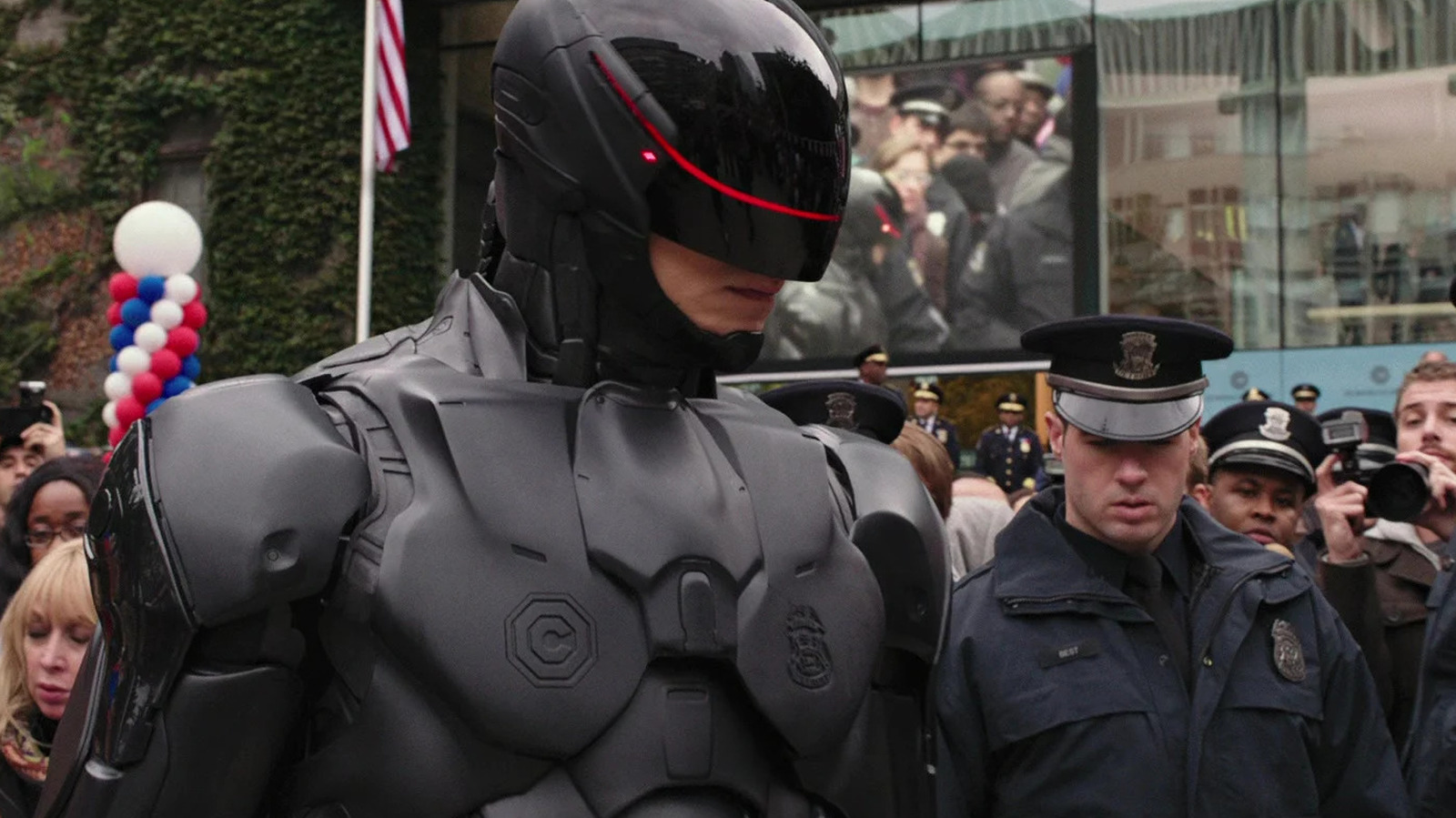
Science fiction stories often explore novel technologies and alien species, prompting readers/viewers to reflect on human nature. While some tales delve into dark aspects of humanity, others offer optimistic visions of the future, like the hopeful universe of "Star Trek."
Remaking a classic sci-fi story requires a compelling reason to update it for modern audiences. While older narratives can still resonate today, they must be reimagined to address contemporary issues. Without thoughtful updates, remakes risk falling flat and failing to connect with viewers.
For instance, the 2001 remake of "Planet of the Apes" lacked the original's satirical edge, delivering a generic action thriller instead. Despite impressive visuals and performances, the film's lack of depth left audiences wanting more substance.
Similarly, the 2004 remake of "The Stepford Wives" turned a chilling cautionary tale into a shallow comedy, missing the opportunity to explore meaningful themes of gender dynamics. By focusing on campy humor rather than social commentary, the remake failed to capture the essence of the original story.
In contrast, the 2009 reboot of "Star Trek" revitalized the franchise with a fresh cast and modern action sequences. While successful at the box office, the film's departure from the series' traditional storytelling style raised concerns among fans about the franchise's direction.
Likewise, the 2012 remake of "Total Recall" lacked the original's eccentric charm and dark humor, resulting in a forgettable and uninspired film. Without the zaniness of the original, the remake failed to leave a lasting impact on audiences.
In conclusion, while remaking sci-fi classics can offer new perspectives on familiar stories, it is essential to preserve the essence of the original narratives and update them thoughtfully for contemporary audiences. Otherwise, remakes risk losing the depth and relevance that made the originals so compelling.