Understanding Alpha-Gal Syndrome: Symptoms, Treatment, and Recent Developments
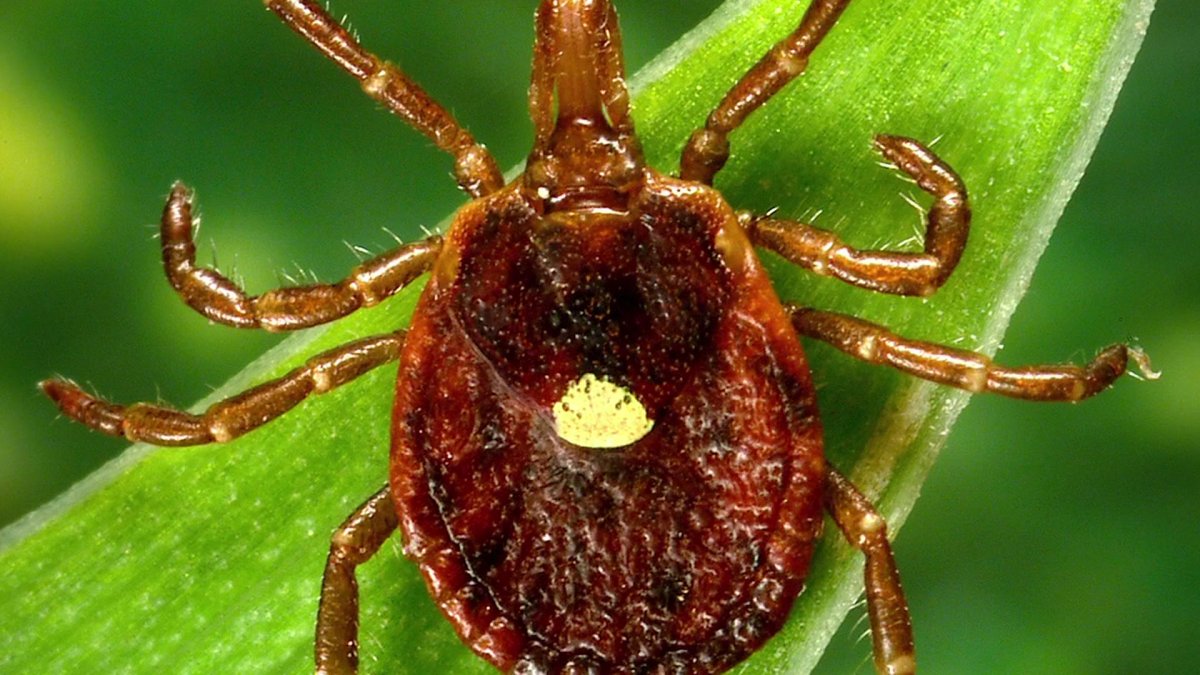
Ticks are known to spread infections like Lyme disease, but there is a lesser-known issue called alpha-gal syndrome, a life-threatening allergy to meat triggered by tick bites. This allergy can cause symptoms such as hives, diarrhea, and itchiness after consuming meat or dairy products. The allergy does not affect seafood or poultry consumption, and the standard treatment involves avoiding certain foods and carrying an epinephrine injector. Recently, the first drug for the condition has been approved, with more therapies potentially on the horizon.
Alpha-gal syndrome is not caused by bacteria or viruses like other tick-borne illnesses but is triggered by an allergic response to a sugar called alpha-gal. This sugar is found in the meat of most mammals and in the saliva of certain ticks. When ticks bite and introduce the sugar into the bloodstream, antibodies are developed, leading to allergic reactions when consuming meat or dairy products. The severity of symptoms can increase over time, and it may take weeks or months for the allergy to develop.
The lone star tick is the primary source of alpha-gal syndrome in the U.S., with cases on the rise due to the expanding habitat range of these ticks. The allergy is diagnosed based on symptoms, blood test results, and patient history, with roughly 450,000 Americans estimated to have developed the allergy. Treatment involves avoiding mammal meats and certain animal byproducts, with some exceptions for genetically modified pigs that do not produce alpha-gal. The allergy can fade over time in some individuals, but it is crucial to prevent new tick bites.
In 2024, the FDA approved Xolair, an injectable drug that helps reduce severe allergic reactions from accidental meat exposure in patients with alpha-gal syndrome. While the drug does not reverse the condition, it can mitigate allergic responses. Researchers are exploring other approved drugs that could interfere with the allergic signaling process in patients with the syndrome. It is essential for individuals with alpha-gal syndrome to be vigilant about their diet and avoid potential triggers to manage their condition effectively.