CGI Hits and Misses: Analyzing the Best and Worst Visual Effects in the Star Wars Sequel Trilogy
Computer-generated imagery (CGI) has revolutionized the film industry by allowing filmmakers to create stunning visuals and bring previously unimaginable stories to life on screen. However, when not used effectively, CGI can fall short and disappoint audiences. The "Star Wars" sequel trilogy is a prime example of this, showcasing both groundbreaking uses of CGI and moments that missed the mark. While the trilogy featured impressive digital characters like Supreme Leader Snoke and Maz Kanata, there were also instances of underwhelming CGI that detracted from the overall experience.
Throughout the trilogy, particularly in the films directed by J.J. Abrams, there were moments where the CGI failed to live up to its potential, reminding viewers of past missteps in the franchise. These worst CGI moments in the "Star Wars" sequel trilogy highlighted the importance of utilizing visual effects to their fullest extent and maintaining a balance with practical effects. Despite the trilogy's emphasis on practical effects, these instances of subpar CGI stood out as missed opportunities to enhance the storytelling and visual spectacle.
One recurring theme in the Disney "Star Wars" movies was the inclusion of tentacle-laden creatures, such as the Rathtars in "The Force Awakens." These gigantic, toothy beasts created a chaotic sequence that felt disconnected from the film's more tactile alien critters. The reliance on CGI for the Rathtar invasion detracted from the film's practical effects wizardry and left the audience feeling disconnected from the central characters. The weightlessness of the CGI creatures and their interactions with the digital doubles of the criminal baddies further highlighted the shortcomings of this sequence.
Another example of disappointing CGI in the "Star Wars" sequel trilogy was the digitally de-aged Leia in "The Rise of Skywalker." While digital de-aging can be a powerful tool when executed correctly, Leia's appearance in a brief flashback fell short of capturing the vibrant humanity of the real Carrie Fisher. The dark lighting and flaws in the digital de-aging process made Leia's character look lifeless and out of place, creating an uncanny valley effect that detracted from the emotional impact of the scene. This missed opportunity to honor Fisher's legacy with a more authentic portrayal highlighted the pitfalls of relying too heavily on CGI technology.
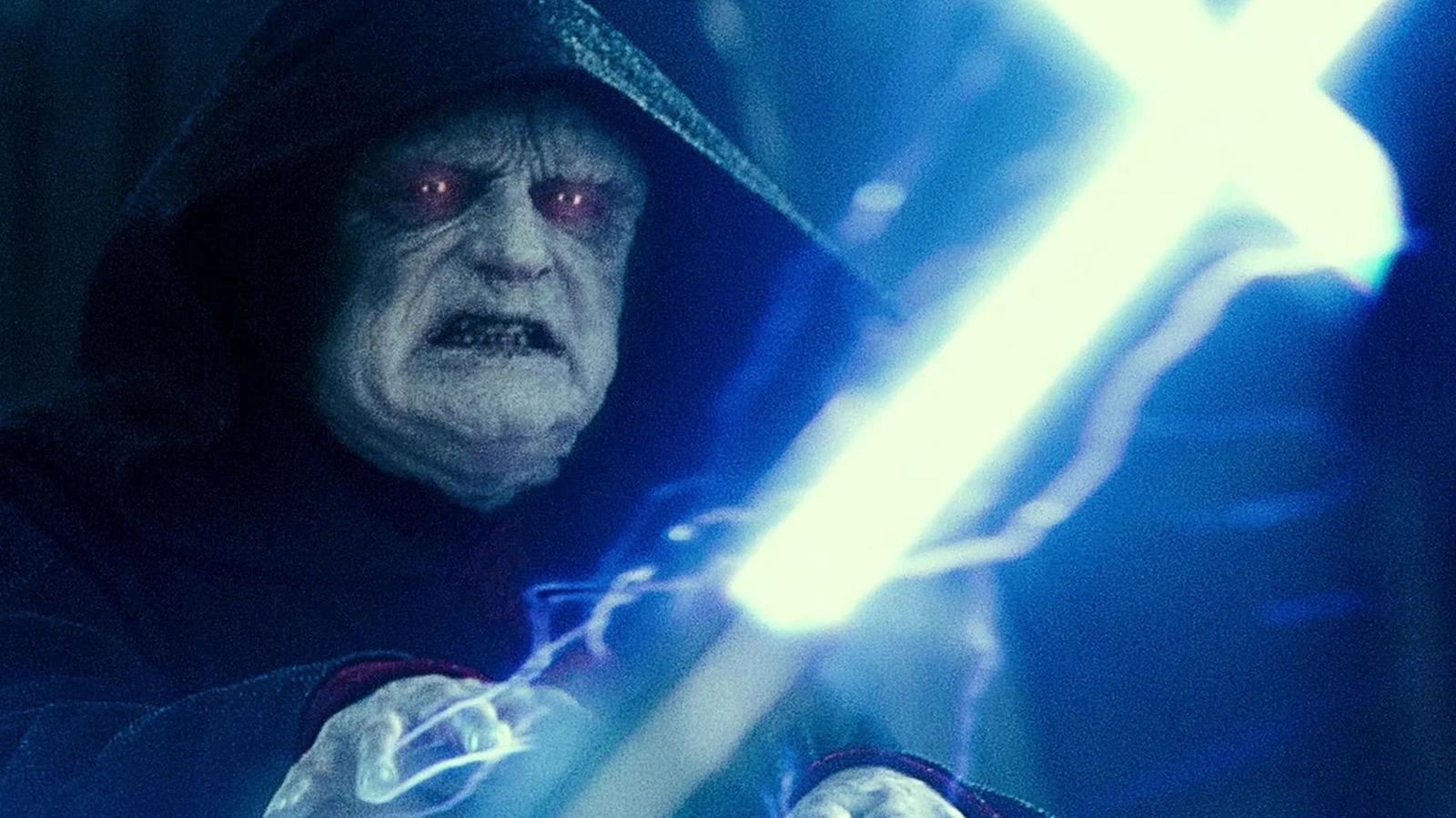
In the climactic moments of "The Rise of Skywalker," the excessive use of CGI to showcase Palpatine's dark powers resulted in a lackluster display of grandiosity. The barrage of digital animation depicting Palpatine's Force Lightning destroying hovering ships felt hollow and disconnected from the human element of the story. The overwhelming CGI spectacle failed to convey the true threat of Palpatine's power, leaving the audience underwhelmed and disengaged from the climactic showdown between Rey and the Sith Lord. This overreliance on CGI undermined the emotional weight of the scene and further detracted from the film's resolution.
While CGI has the potential to enhance storytelling and create visually stunning moments on screen, its effectiveness ultimately depends on how it is integrated into the narrative. The "Star Wars" sequel trilogy showcased both the possibilities and limitations of CGI, with moments that dazzled audiences and others that fell short of expectations. By striking a balance between practical effects and CGI, filmmakers can create a more immersive and cohesive cinematic experience that resonates with viewers.