Chicago: A Musical Journey Through Time and Evolution
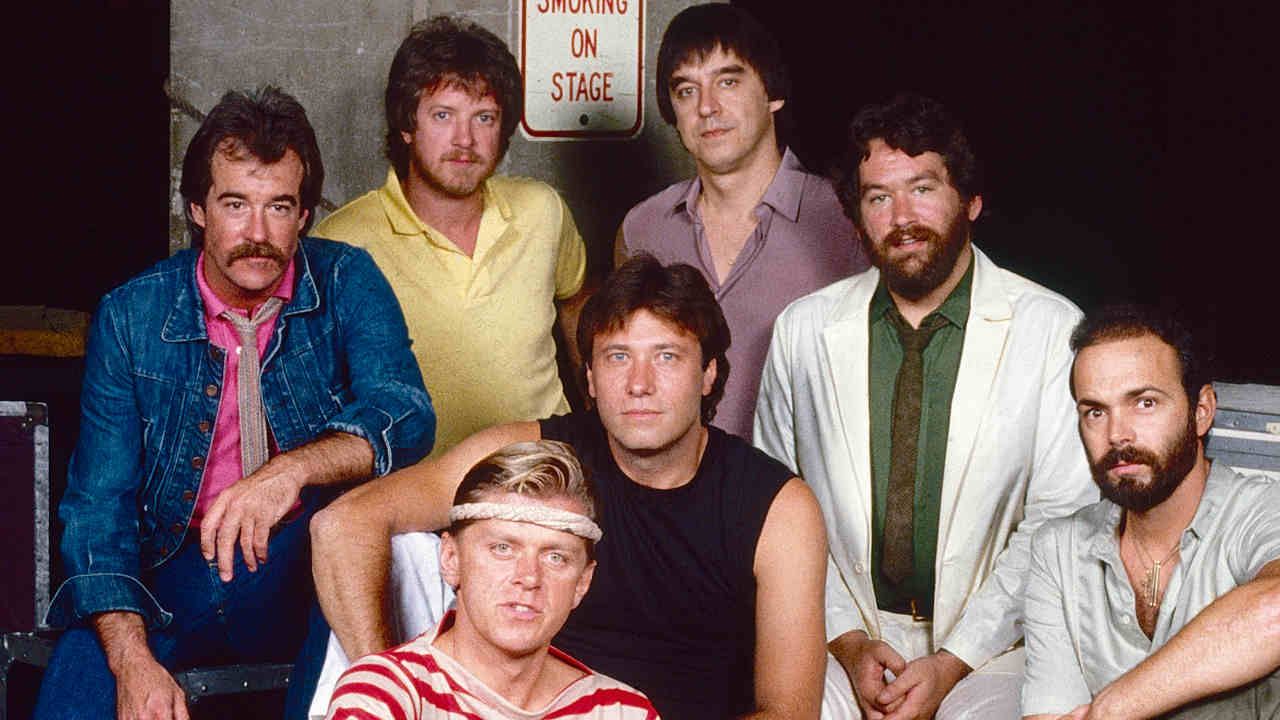
Chicago has had a diverse and storied career, transitioning through various musical styles and lineup changes over the years. The band's journey began in 1967 when six musicians formed The Big Thing, later renamed Chicago Transit Authority. Their unique blend of rock and horn sections set them apart on the Midwest club circuit. The band's early success was marked by their experimental sound and jazzy influences, leading to a string of hit albums and singles.
Despite their commercial success, Chicago faced internal struggles and management issues that shaped their musical direction. The band's evolution from experimental rock to ballad-driven hits like "If You Leave Me Now" divided critics and fans alike. The tragic death of co-founding guitarist Terry Kath in 1978 marked a turning point for the band, leading to a period of reinvention and commercial resurgence in the early 1980s.
The band's collaboration with producer David Foster during this era produced chart-topping albums like Chicago 16 and Chicago 17, featuring hits such as "Hard To Say I'm Sorry" and "You're The Inspiration." However, the shift towards ballads and outside songwriters led to tensions within the band and a departure from their earlier musical roots. Despite lineup changes and industry challenges, Chicago continued to tour and release new music, maintaining a loyal fan base and showcasing their extensive catalogue of hits.
The enduring legacy of Chicago lies in their ability to connect with audiences through timeless songs and memorable performances. Founder members Robert Lamm, Lee Loughnane, and James Pankow remain the driving force behind the band's continued success, showcasing their musical prowess and enduring appeal. While the band's journey has been marked by highs and lows, their dedication to their craft and passion for music has solidified their place in rock history.